



All Articles

Live Surf Cams

Surfline Live is a 24/7 glimpse into the world’s surf.

This stream moves through Surfline’s global camera network, showing spots where it’s daylight and rated Fair or better.

What’s The Deal With…?

Surf Technique Deep Dive

The peak—where the wave first starts to break—shifts with each set. Watch where the biggest wave of a set consistently starts to feather and pitch. That’s your target. Paddle to that general area and adjust based on what you see forming on the horizon. The lineup isn’t a fixed point; it’s a moving zone that changes with the tide and swell. Follow the sets, and you’ll find the sweet spot.

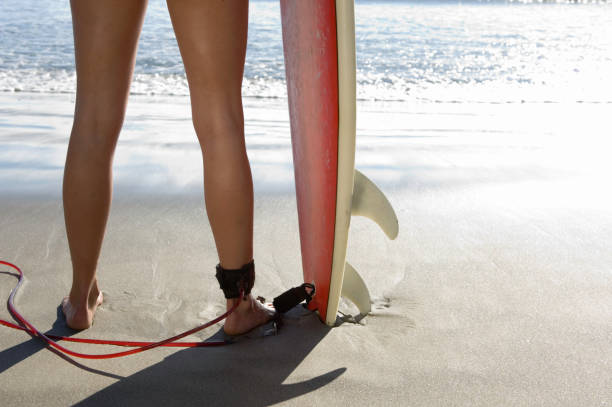
It’s a major safety no-no. When you bail and let your board fly, the leash can snap, sending your 7-foot missile straight into other surfers. Always try to maintain control and pull your board close to you when duck diving or getting rolled. If you’re a beginner in heavy whitewater, practice holding onto your board. Protecting others from your equipment is your number one safety responsibility. A loose board is a dangerous board.

Don’t just stare at generic surf apps. Hit up the local surf shops like Bundoran Surf Co or Surfworld. The guys behind the counter live and breathe it and will give you the real scoop on tides, wind, and which spot is working. Checking the cams at The Peak or Tullan is smart, but nothing beats local knowledge. Also, the surf school noticeboards often have the best, most accurate info for the day.

Surfboard Evolution

Totally. A ripped or damp bag offers zero protection from dings, sun, and pressure during travel. A quality bag with padded rails and a waterproof lining is your board’s first line of defense, whether it’s in the van or getting tossed by airline baggage handlers. Think of it as a wetsuit for your stick—essential gear for keeping it pristine. Don’t cheap out; a good bag saves you money on repairs down the line.

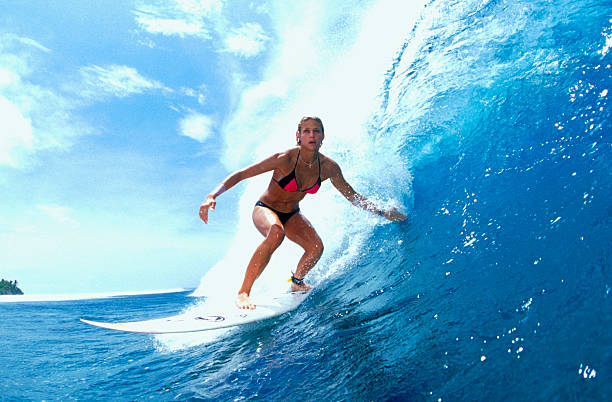
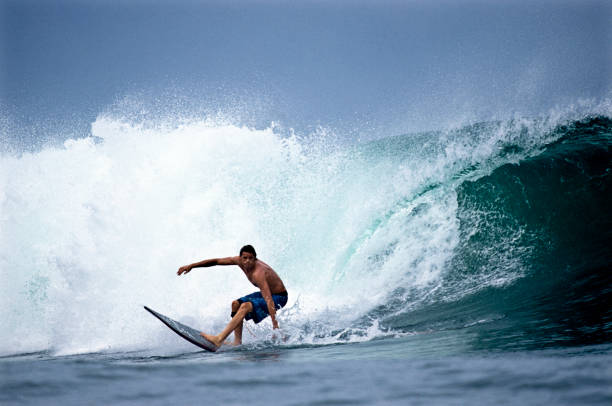
Getting barreled is about commitment and position. It starts with picking the right wave—a pitching, hollow peak. Paddle hard, take off at the critical spot, and aim to get deep. Once you’re in, stay in the pocket, keep your speed, and get low. Don’t look at the curtain; look ahead down the line. It might take a few beatings, but that moment of getting covered up and shooting out the spit is pure, life-changing magic.

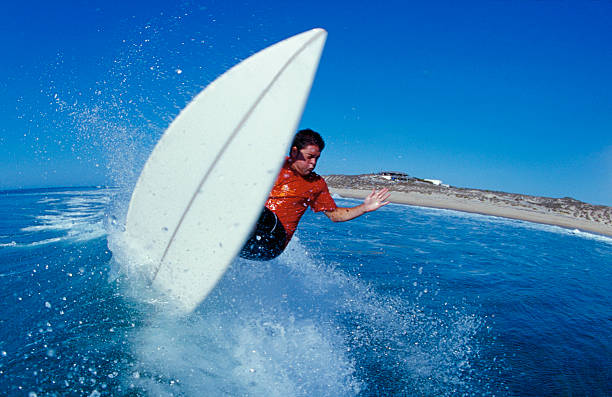
Totally changes the game! On a steep, hollow wave, you need a quick, aggressive, and compact bottom turn to avoid getting pitched. It’s a fast snap to redirect. On a softer, mushy wave, you need a wider, more drawn-out turn to generate speed, often going a bit further down the line before arcing back up. Reading the wave’s power and shape is key. Adapt your compression and power to what the wave is giving you.