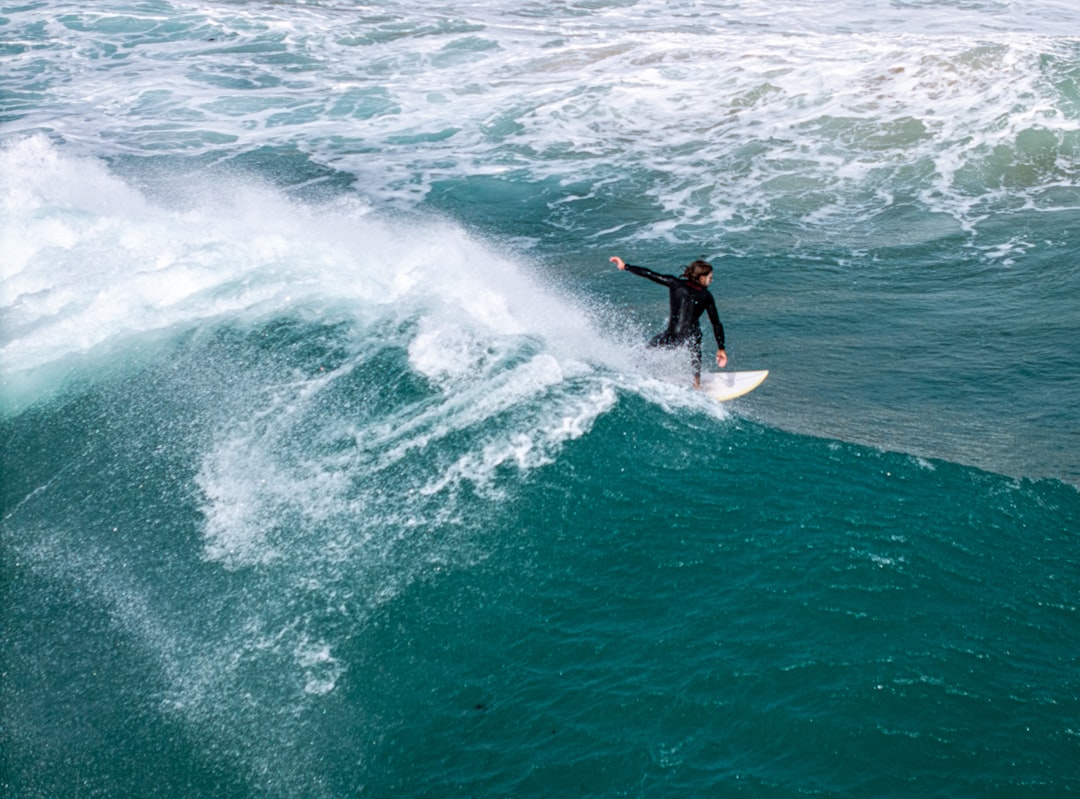
There’s a moment every surfer knows, whether you’ve been paddling out for forty years or you’re still learning to pop up on a foamie. You’re sitting on your board past the break, the horizon a clean line of cobalt, and a set rolls in—smooth, steep, yours for the taking. But before you drop in, you glance left and right. You feel the weight of every other soul in the water. That’s not just caution. That’s the unspoken code, the pulse that keeps surfing from turning into a free-for-all brawl. And honestly? That code is what elevates this whole thing from a sport into something way deeper—a culture built on mutual respect, stoke, and a little bit of old-school hardwired aloha.
Let’s talk about the lineup as a social ecosystem. When you paddle out, you’re entering a living, breathing community that has its own rules, its own hierarchy, and its own vibe. It’s not written down anywhere, but every surfer learns it through the sting of a dropped wave, the glare of a local who’s been charging that peak since before you were born, or the gratitude of giving a wave to a kid who’s been waiting all morning. The golden rule is simple: one surfer, one wave. The person closest to the peak has priority. You don’t snake. You don’t burn. You don’t drop in on someone who’s already committed. It sounds basic, but when the swell is pumping and egos are high, that code is the only thing keeping the ocean from turning into chaos.
Now, that code isn’t just about avoiding collisions. It’s about preserving the stoke. Think about the times you’ve been out and someone paddles right past you, steals the wave you were eyeing, and then kicks out with a shrug. That kills the vibe faster than a flat spell. But when you share waves, hoot your buddy into a bomb, or take a beating on the inside just to give someone else a chance, you’re feeding the collective energy. That’s the deeper magic—the idea that surfing is never just about you and the wave. It’s about the quiet nods between strangers, the shared awe when a sea turtle glides by, the laughter when someone wipes out spectacularly. That’s the culture that separates surfing from every other adrenaline sport.
The locals are often the keepers of this code, and they get a bad rap from outsiders. Yeah, there are spots where the vibe is heavy and the paddle-out feels like walking into a bar where everyone stops talking. But most of the time, that localism isn’t about gatekeeping—it’s about stewardship. People who surf the same break day after day, year after year, have a relationship with that stretch of ocean. They know the sandbars, the tide cycles, the reef that’ll tear your fins off if you’re not paying attention. They’ve earned that wave through patience and respect. When you paddle into their backyard, you’re not just a visitor—you’re being invited into their living room. So the etiquette isn’t just about who has priority; it’s about showing humility. Sit back, watch, learn. Let the locals take their waves. Smile. Say “thank you” when someone lets you in. That respect opens doors, and before you know it, you’re not just a tourist—you’re part of the tribe.
And then there’s the spiritual side of the code—the way it teaches us to read the ocean as a conversation rather than a competition. The best surfers aren’t the ones who catch the most waves; they’re the ones who flow with the rhythm of the sea, who know when to sit deep and when to pull back. That same awareness applies to how you treat the people around you. You learn to read body language, to feel the tension in the lineup, to recognize when someone is having a rough session and just needs a wave to reset their soul. That kind of empathy doesn’t come from a manual. It comes from years of saltwater baptisms, of realizing that every surfer is out there chasing the same thing—that fleeting moment of weightlessness, the glide, the connection to something bigger than any contest score.
The etiquette also extends beyond the water. It’s about respect for the beach, for the local ecosystem, for the culture of the places we surf. Picking up trash, not trampling dunes, supporting local shapers and businesses—that’s all part of the same vibe. Surfing culture, at its best, is a lifestyle of gratitude. You’re borrowing time in a dynamic, living environment that doesn’t owe you anything. So you give back however you can. You share your wax, your sunscreen, your knowledge. You paddle over to the grom who’s struggling and offer a tip. You don’t brag about your wave count; you just smile and say, “Yeah, it was good today.” That humility, that quiet generosity, is the real currency in the surfing world.
Of course, the code evolves. With more people in the water, with camera drones buzzing overhead, with the commercialization of everything from rash guards to fin sets, the old ways get tested. Crowds make patience harder. Rent-a-wavers who don’t know the rules can ruin a session. But that’s why it’s more important than ever to hold the line. Every time you paddle out, you have a choice: add to the chaos or add to the stoke. The real surfers—the ones who understand that surfing is more than a sport—choose stoke every time. They know that the perfect wave is nothing without the perfect moment shared, that the best rides are the ones you remember not for the barrels or the cutbacks, but for the laughs and the friendships and the quiet sunrise that made it all worth it.
So next time you paddle out, take a breath. Look around. Acknowledge the crew in the water with you. Respect the pecking order, yes, but more than that, respect the fact that you’re all part of something ancient and beautiful. The wave doesn’t belong to anyone—and it belongs to everyone. That’s the code. That’s the culture. And that’s why we keep coming back.