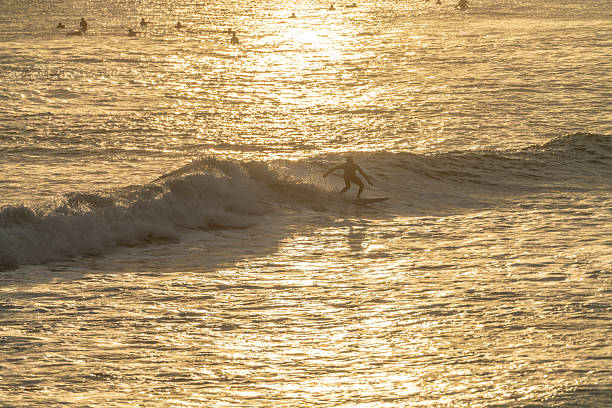
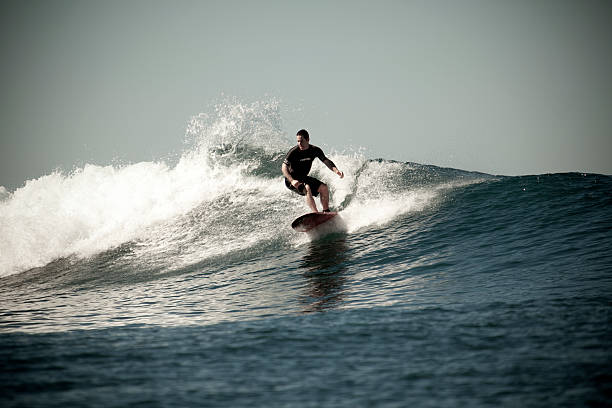
The ocean talks to those who listen. Before the sun cracks the horizon and paints the water in shades of peach and gold, the dawn patrol already knows who belongs. There is no sign-up sheet, no official membership card, no Instagram post that grants entry. The lineup, that sacred stretch of sea where surfers wait for their turn, runs on something far older than rules. It runs on respect, earned wave by wave, session by session, through the quiet understanding that every surfer in the water shares the same stoke and the same responsibility.
When you paddle out at first light, the air still cool and the water glassy, you enter a world governed by etiquette as old as the sport itself. The first rule is simple: know your place. Not necessarily your physical spot in the water, but your place in the hierarchy of the lineup. The surfer who has been sitting out there since before the coffee shops opened, the one who knows where the sandbar shifted after last week’s swell, that surfer has earned a certain silent priority. Not because they are better, but because they have shown up, day after day, and demonstrated that they respect the ocean’s rhythm.
The biggest sin you can commit in the lineup is the drop-in. When a surfer is already up and riding a wave, paddling in front of them and stealing that ride is the quickest way to earn a reputation that follows you up and down the coast. It is not just rude. It is dangerous. A surfer dropping in on someone else’s wave puts both of them at risk of a collision that can send boards flying and bodies tumbling into the reef. The ocean does not care about your ego. It will teach you the same lesson over and over until you learn.
Snaking is another offense that will get you the stink eye from every soul in the water. When you paddle around another surfer at the last second to steal the inside position on a set wave, you are breaking the unspoken contract of the lineup. Patience is the currency of surfing. You wait your turn, you watch the sets, you read the ocean. When you snake, you announce to everyone that you value your wave count over the shared respect of the group. That kind of energy does not last long before you find yourself sitting alone on the shoulder while the peak goes to those who played it straight.
The pecking order of the lineup is not about aggression. It is about observation. The surfer closest to the peak, the one who has been sitting deepest and waiting the longest, typically has the right of way on the next set wave. But that privilege comes with responsibility. You have to be able to make the wave, or you give up your turn. There is nothing more frustrating than watching a surfer blow a clean takeoff on a set that the whole lineup was waiting for. The ocean keeps score, and it does not forgive hesitation.
Communication is the glue that holds the lineup together. A simple nod, a shout of “go” or “your wave,“ can transform a crowded pack into a cooperative tribe. When you see another surfer deeper than you on a peak, acknowledge them. Let them know you see them. That small gesture builds trust, and trust is what keeps the lineup from turning into a battlefield. There is also the art of the apology. If you make a mistake, if you accidentally drop in or paddle in front of someone, own it. A quick paddle over and a sincere “sorry, my bad” goes further than you can imagine. The ocean forgives kook moves if the heart is in the right place.
Respecting the lineup also means respecting the wildlife and the environment. The ocean is not your personal wave pool. It is a living, breathing ecosystem that we are lucky to share. Do not paddle through a pod of dolphins to snag a wave. Do not litter your wax paper or fin keys. Do not step on the reef when you could paddle around. The lineup extends beyond the water. It includes the beach, the parking lot, and the community that surrounds every surf break.
In the end, the true measure of a surfer is not how many barrels they get or how deep they tuck into the pocket. It is how they treat the people in the water with them. The best surfers I have ever met are the ones who share waves, who cheer for a good ride even if it was not theirs, who help a struggling beginner paddle in when the current gets too strong. That is the soul of surfing. That is what keeps the endless summer alive.
So next time you paddle out, leave your ego on the sand. Watch, wait, listen. The lineup is not a competition. It is a conversation. And if you speak the language of respect, the ocean will welcome you home every single time.