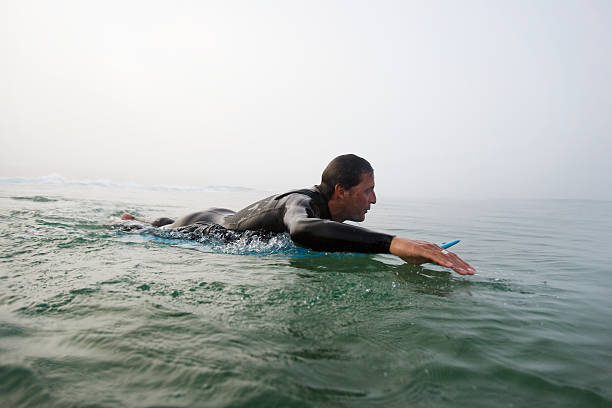
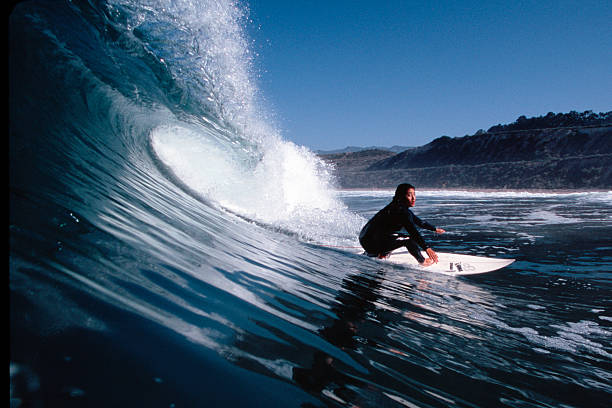
Mick Fanning paddles out at his home break on the Gold Coast, the same stretch of sand where he first felt the pull of the ocean as a grom. These days, there’s no heat jersey on his back, no commentator calling his name, no World Tour trophy waiting on the beach. Just three-time world champ, a board under his arm, and the kind of quiet that only comes when you’ve left the circus behind. I caught up with Mick between sessions, sitting on the tailgate of his old ute, the sun starting to sink low over the dunes. He’s got that easy grin, the same one that stared down a shark at Jeffreys Bay and punched through the heaviest moments of his career. But there’s something softer now, a calm that wasn’t always there when he was chasing the yellow jersey.
“You know, the hardest part about walking away wasn’t the competition itself,” Mick says, scratching the wax off his favorite thruster. “It was losing the lineup. The guys I surfed against for fifteen years—they became family. That’s something you can’t replace with a trophy.” He’s talking about the brotherhood that forms when you’re out there in the deep end, paddling into waves that could snap you in half. It’s a bond forged in the foam, in the moments when you’re charging the same peak with Taj Burrow or Kelly Slater, understanding each other without a word. Mick reckons that’s the real currency of professional surfing, the thing that gets lost in the shiny highlights and Instagram stories.
I ask him about the younger generation—the guys like Jack Robinson and Ethan Ewing who are pushing the boundaries of what’s possible on a surfboard. Mick laughs, shakes his head. “They’re doing stuff we only dreamed of. Jack’s barrel riding is next level, and Ethan’s rail game is like watching poetry. But the thing I hope they don’t lose is the joy. The reason we all started surfing was because it felt good, not because we wanted to be number one.” He pauses, watching a set roll through. A couple of local kids are dropping in on a shoulder-high wave, hooting and hollering like they just won the Eddie. Mick nods toward them. “That right there. That’s the purest form of surfing. No contract, no pressure, just stoke.”
The conversation drifts to the darker side of the sport—the mental grind, the injuries, the loneliness of being on the road for ten months a year. Mick’s open about his own struggles, the times when the wave of expectations felt like it was going to close out on him. “I had to relearn how to enjoy surfing again. After the shark attack, after the injuries, after all the wins and losses, I forgot why I loved it. It took a good six months of just free surfing, no watch, no coach, to get back to that kid who first picked up a board.” He talks about paddling out at dawn alone, just him and the ocean, letting the rhythm of the swell settle his head. That’s the wisdom that only comes from riding the long, slow wave of life.
Mick’s not completely out of the water—he still does the occasional big-wave session and mentors young surfers through his foundation. But he’s found a new kind of flow, a life that doesn’t revolve around the next heat. “Surfing taught me patience, humility, and how to read not just the ocean but people. When you’re out in the lineup, you can’t fake it. The wave knows if you’re scared or if you’re committed. Same with life. You’ve got to be present, be honest, and trust the process.” He points to the horizon, where the sun is bleeding orange into the sea. “That’s the endless summer right there. Not a season, a mindset.”
As we wrap up, Mick offers a piece of advice for anyone who’s ever felt the pull of the saltwater. “Don’t chase the wave someone else is riding. Find your own line. And never forget: the best surfer out there is the one having the most fun.” He grabs his board, gives a thumbs-up, and paddles back into the lineup, leaving me with the sound of the ocean and the echo of a man who’s found peace in the very thing that once demanded everything from him. That’s the real lesson from a legend—not how to win, but how to stay stoked after the final buzzer.