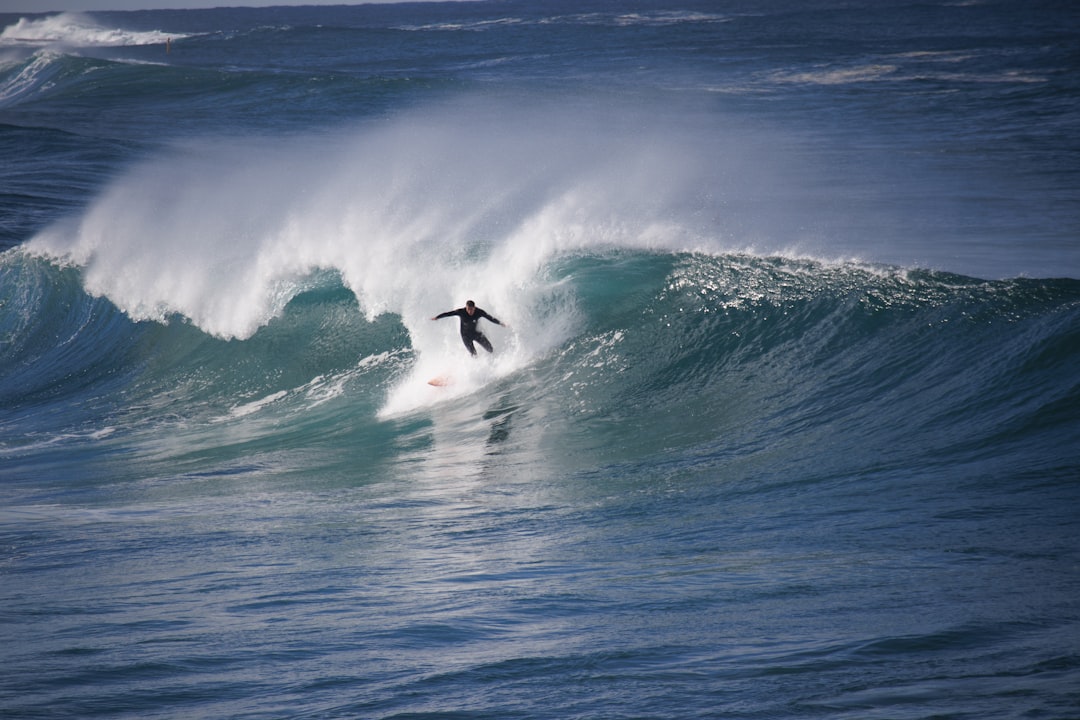
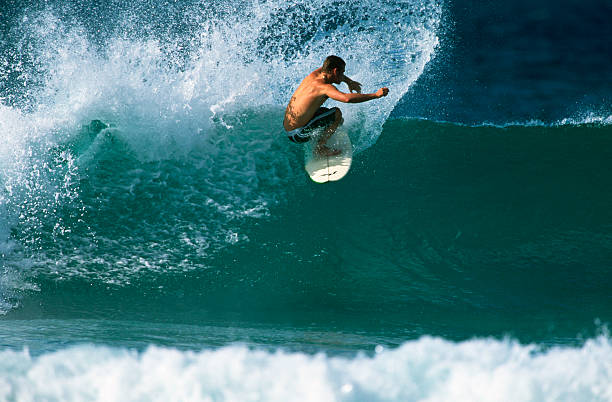
It was a glassy dawn at The Cove, the kind of morning that makes you forget every bad decision you ever made. The ocean was humming with a mellow NW groundswell, chest-high sets rolling in like clockwork, peeling off the point in long, open-faced walls. For most of the locals paddling out, it was just another Wednesday. For Kai Manoa, it was the first time in two years he had even looked at the ocean without his stomach dropping into a cold pit.
Kai had been a standout on the North Shore scene since he was a grommet. He had the flow, the power, the kind of instinct that made older surfers nod and say, “That kid is gonna go places.” He did go places—Chopes, Pipeline, Jaws—and he charged. But the wave that broke him wasn’t a 60-foot mutant. It was a chest-high cleanup set that took his older brother, Lono, on a freak hold-down one afternoon at a spot they’d surfed a thousand times. Lono never came up.
Grief hit Kai like a rogue wave. After the funeral, he sold his quiver, gave away his boards to the local high school surf club, and stopped going to the beach entirely. He moved inland, took a job at a bike shop, and buried himself in silence. His friends tried to drag him back—come on, brah, the swell’s pumping, we got a window—but Kai couldn’t even look at a surf cam without his chest tightening. The ocean had taken his brother. How could he ever trust it again?
For two years, the sea called, but he wouldn’t answer. Then one night, he had a dream. He was paddling out at The Cove with Lono, just like they used to as kids. The water was warm, the sky was glowing, and Lono was laughing, pointing at a set on the horizon. “This one’s for you, little brother,” he said. Kai woke up with tears on his face and an ache that wouldn’t quit.
The next morning, he drove to the beach. He didn’t bring a board. He just sat in the sand, watching the waves fold and unfold, feeling the salt air hit his skin. It was hard. His hands were shaking. But he stayed. And the next day, he came back again. He found a beat-up old longboard at a garage sale—a 9’6” single-fin with a cracked leash plug and a faded airbrush of a setting sun—and he paddled out at dusk, when the lineup was empty.
That first session was ugly. His paddling was off, his pop-up was late, he took a couple of splashing wipeouts and swallowed half the Pacific. But he caught one wave. A small, weak shoulder-high peak that fizzled out too fast. When he stood up—wobbly, unsteady, almost pearling—he felt something crack open inside his chest. It was not joy. Not yet. It was a kind of fragile relief, like letting go of a held breath.
Slowly, Kai started showing up more. He surfed the dawn patrol with the old-timers who didn’t ask questions. He learned to read the ocean again, to feel its rhythm, to trust its cycles. He started talking to Lono while he was waiting in the lineup, not out loud, but inside his head. “You see that one? That was for you, brah.” The waves became a conversation, a connection, a way to honor a brother who had given him everything, including the lesson that the ocean gives and it takes, and you have to accept both.
A year passed. Kai is still not the same surfer he was before. He doesn’t charge Pipeline anymore. He doesn’t push himself into the biggest days. But he surfs every day that the swell allows, and he has become something more than a charger—he has become a mentor. He brings grommets out to The Cove, teaching them how to read rip currents, how to breathe through a hold-down, how to respect the ocean’s power without being owned by fear. He named his board “Lono’s Light.”
The story of Kai Manoa is not one of triumph over an epic wave. It’s the quieter story of a surf session that never ends, of a man paddling back out again and again because that’s what his brother would have done. And on the glassy mornings, when the sets are clean and the lineup is empty, you might see him sitting out the back, a slight smile on his face, watching for the next one. That’s the endless summer, brah. That’s the salt in your soul.