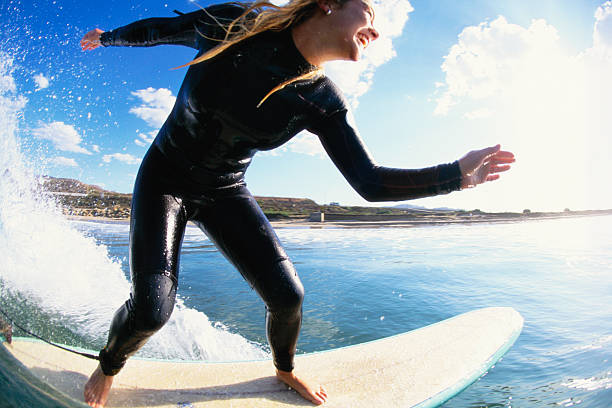
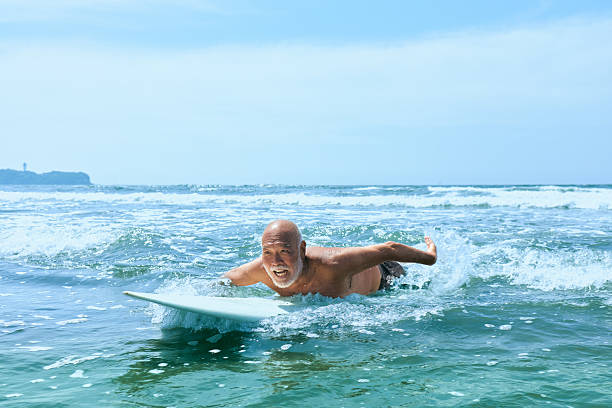
Stoked you’re here, because if there’s one piece of gear that never gets the respect it deserves, it’s the humble surf leash. You ride waves, you kick out, you paddle back out, and that thin urethane cord trailing off your ankle is just… there. But when a solid set rolls through and your board decides to go on a solo mission without you, that leash becomes the difference between a fun session and a long, cranky swim into shore. It’s your silent partner, your BFF in the lineup, and if you treat it like garbage, it will betray you at the worst possible moment. So let’s talk about keeping this essential piece of surf gear dialed, because staying connected isn’t just about having a leash – it’s about having one that works when you need it most.
First off, know your parts. Your leash is more than a simple string. You’ve got the cuff, that padded Velcro band wrapped around your front ankle (yes, front ankle, unless you want a permanent bruise on your back leg), the swivel that stops the cord from twisting into a pretzel, the rail saver that drapes over your board’s rail to prevent friction damage, and the stringer or loop that attaches to your leash plug. Every one of those pieces is a potential weak link. A cracked swivel, a frayed cord, a Velcro patch that’s lost its grip – any of those will turn your day into a rescue mission. I’ve seen dudes paddle out with a leash that looks like it survived a shark attack, and then they act shocked when it snaps during a hollow beach break. Respect the gear, and it’ll respect you.
The cardinal rule is rinse your leash with fresh water after every session. Saltwater and sun are nasty critters. They corrode the swivel, weaken the urethane, and degrade the hook-and-loop fasteners. A quick hose-down takes ten seconds but adds months of life. While you’re at it, unloop the leash from the board and give it a gentle stretch. This helps the cord recover its elasticity and stops it from forming memory circles that turn into tangles. Speaking of tangles – the bane of every surfer’s paddling session. A coiled-up mess at your ankle is a vibe killer. When you’re not surfing, store your leash loosely looped, never tightly wrapped around your board. Tight wrapping stresses the cord and causes those annoying kinks. And when you’re paddling out through whitewater, point your board nose-first and drag the leash behind you. As soon as you get past the break, give it a quick snap to shake out any slack. If it does tangle, don’t yank like a maniac. Stop, pick the knot apart with your fingers, or better yet, take the board off and work it out on the beach. Patience, bro.
Now let’s talk length. Leashes come in sizes from 5 feet to over 12 feet, and for good reason. A short board wants a leash that’s about the same length as the board itself, or maybe six inches shorter, so the board doesn’t whip back and smack your head when you wipe out. Longboards and funboards need longer leashes – extra length means less pull on the plug and a gentler return to the surface. If you’re riding a 9-foot log with a 6-foot leash, you’re asking for a headache. And if you’re on a fish or hybrid, match the leash to the board’s actual length. Simple as that. When you do replace a leash, don’t cheap out. Go for a name-brand with a quality swivel and a thick enough cord for your board size. A fat board in big surf needs a beefy leash, something in the 7mm range. A foamie or small wave board can get away with thinner, but why risk it? Your board is expensive, your head is irreplaceable.
Check your leash plug too. That little stainless steel or plastic loop embedded in the tail of your board is what your leash attaches to. If it’s chewed up or loose, your fancy leash won’t save you. Give it a wiggle every few weeks. Same with the rail saver – that stretchy piece of material that sits over the rail. It’s not just for looks; it stops the cord from grooving into your board’s rail when under tension. If the rail saver looks cracked or missing, replace it. It costs nothing compared to a new board. Also, watch for UV damage. A leash left baking in the car trunk for a summer will become brittle and snap like a dry twig. Keep it in the shade, or at least loosely coiled in your bag.
Finally, the mental game. A leash isn’t permission to ditch your board in every closeout. You still want to hang onto that rail and kick out clean. But when a wave detonates on your head, the leash gives you that precious moment to surface, orient yourself, and trust that your ride is somewhere nearby. It also keeps you from becoming a human hazard – an un-leashed board in the lineup is a missile. So thank your leash after every session. Give it a rinse, check the parts, and store it with love. Do that, and it’ll keep you connected from first paddle to last wave. Stay stoked, stay connected, and always keep your leash in shape for the next swell.