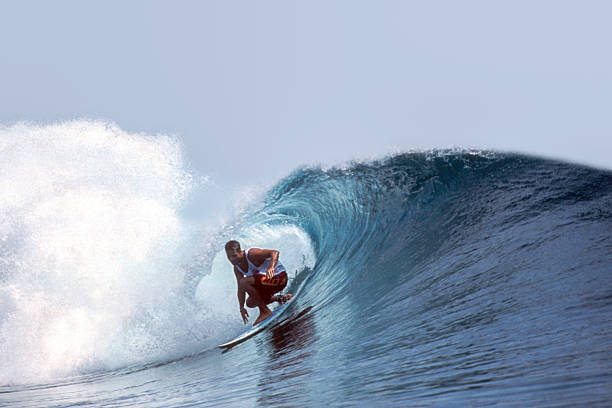
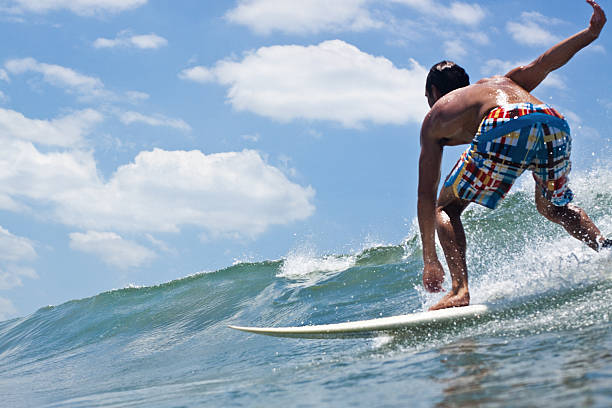
Out there in the lineup, when you’re sitting on your board waiting for the next set, everything else just fades away. The chatter of your phone, the weight of the work week, the noise that lives inside your head—it all gets swallowed by the rhythm of the ocean. For a lot of us, surfing is more than just a way to score a good barrel or carve a clean cutback. It’s a lifeline. And in recent years, that truth has grown into something bigger: a global movement of surfers using waves to heal the mind. Surfing for a cause isn’t just about raising money for beach cleanups or hosting charity contests. One of the most powerful, most stoke-filled causes out there is surf therapy—using the ocean to treat anxiety, depression, PTSD, and even addiction. And brah, it’s saving lives.
You don’t have to be a pro to feel the shift. The moment you paddle out through the shore break, ducking under a white wash that sends a chill down your spine, you’re already leaving the land-based stress behind. That first deep breath when you’re floating on the swell, looking back at the horizon, tells your nervous system it’s okay to slow down. Science backs this up—ocean water is rich in negative ions that boost serotonin, and the simple act of paddling releases endorphins. But surfers have known it all along. We call it the “ocean therapy” session, only we don’t need a prescription. We just need a clean swell and a window of offshore winds.
Organizations like the Surf Therapy Alliance, Operation Surf, and countless local nonprofits have taken this instinct and turned it into structured programs for veterans, kids with autism, survivors of trauma, and folks battling depression. The approach is simple but deep: get someone in the water, teach them to read a wave, and let the ocean do the heavy lifting. For a veteran carrying the weight of combat, the act of paddling into a wave demands total focus. There’s no room to ruminate on the past when you’re about to drop in on a chest-high face. That moment of hyper-presence is what therapist call “flow state,” and on a surfboard, it comes with a splash of saltwater and a grin you can’t fake.
I’ve seen it myself. A buddy of mine, ex-Marine, came back from deployment with a head full of ghosts. He was closed off, angry, and barely sleeping. Then he started going on dawn patrol with a local surf club that works with vets. First few sessions he fell off every wave, got rag-dolled by the white water, cursed the wind. But after his first real ride—a shaky two-second trim on a waist-high peel—he pulled into the beach laughing. Not a polite chuckle, but that raw, childlike laugh that says something shifted inside. He still surfs every chance he gets. He says the ocean doesn’t ask him about his war, it just gives him a wave and a chance to ride clean.
The beauty of surf therapy is that it doesn’t require fancy gear or a perfect point break. Even a mushy beach break on a small day works. What matters is the environment: cold water on your skin, the sound of the surf, the shared stoke of a crew who’s not judging your pop-up. In many programs, each session includes a moment of grounding—taking five deep breaths while floating on the board, watching the clouds slide by. Then you paddle, you catch a wave, you wipe out, you laugh, you try again. It’s a microcosm of life, but with better odds of a reward at the end.
Of course, surfing for mental health isn’t a cure-all. But it’s a damn good companion to therapy, medication, and community support. More and more psychiatrists are prescribing “blue mind” time—regular ocean exposure—as a complement to treatment. And the surf community is all in. Nonprofit surf camps pop up every summer, offering scholarships to kids who’ve lost a parent or teens dealing with anxiety. Local surf shops sponsor “mental health paddle-outs” where the whole lineup stops to honor someone lost to suicide or to support a surfer in crisis. It’s a tribe that understands the ocean doesn’t care how rich or cool you are; it only cares that you show up humble and ready to be humbled again.
So next time you paddle out, take a moment to recognize what the sea is giving you beyond the ride. It’s offering you a reset button. And if you know someone who’s struggling, maybe invite them to share your board for a session. No need to preach—just put a wetsuit on them, point them at the horizon, and let the water work its magic. That’s surfing for a cause, the most grassroots cause there is: taking care of each other one wave at a time.