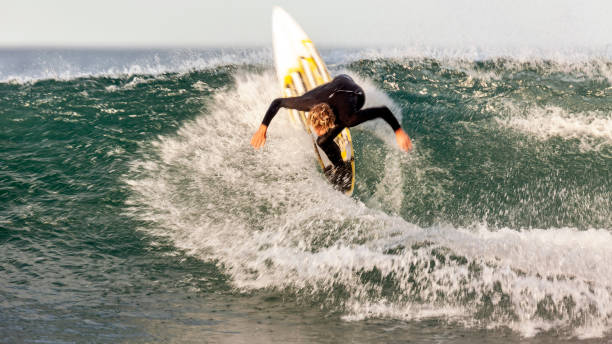
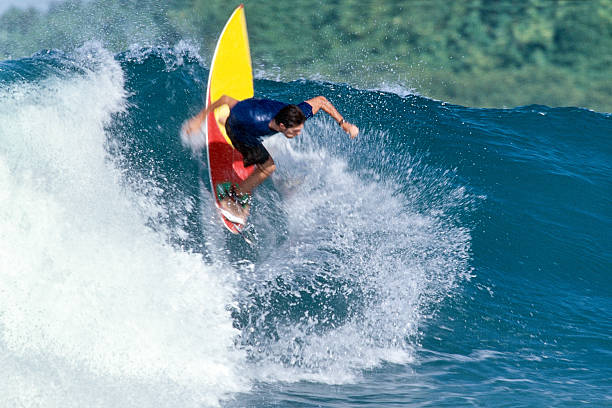
The longboat engine cut out about a mile from the island, and suddenly the only sounds were the slap of water against the hull and the distant thunder of a reef pass working its magic. I had come to the Mentawais chasing the kind of barrels you see in mags, the sort of waves that make you question everything you thought you knew about surfing. But what I found out there, tucked away on a tiny speck of sand between Sumatra and the Indian Ocean, was something far more valuable than a perfect left.
I ended up staying with a local fishing family on a small island that doesn’t even appear on most maps. No resorts, no boats full of camera crews, just a cluster of thatched-roof bungalows built on stilts above the coral sand. The father, a weathered man named Pak Wayan with hands like driftwood and eyes that had seen a thousand sunsets, paddled out with me my first morning. He didn’t surf. He just sat on his wooden dugout, chewing betel nut and watching the sets roll through, occasionally pointing at a rip or a shallow patch of reef I hadn’t noticed. He knew that water the way I know my own living room.
That’s the thing about cultural immersion through surfing. It isn’t just about scoring uncrowded waves, though I won’t lie and say that wasn’t a part of it. It’s about letting go of the clock, surrendering to a rhythm that has nothing to do with tides or forecasts. The family rose with the sun, and so did I. We’d eat a breakfast of fried bananas and strong, sweet coffee while the kids giggled at my attempts to speak their language. Then, when the offshore breeze cleaned up the morning bumps, I’d paddle out alone. The waves were perfect. But the real stoke came from coming back in.
After the session, Pak Wayan’s wife, Ibu Sari, would be out on the reef at low tide, picking small shells and sea cucumbers. She didn’t speak a word of English, but she taught me how to find the big clam in the sand by the pattern of tiny bubbles, and how to cook it over an open fire until it turned into something so tender it practically melted. There was no exchange of money. I helped patch a hole in their fishing net one afternoon, and she gave me a sarong woven from local cotton. That simple barter, that human transaction built on mutual respect, meant more than any five-star resort could ever offer.
The evenings were the best part. After the last session, when the sun turned the sky into a tie-dye of orange and pink, we’d all sit on the bamboo deck. The kids would try to teach me a game involving stones and a coconut. The men would talk in low tones about the reef, the fish, the weather. I couldn’t understand half of what they said, but I understood everything. There’s a language spoken in the shared stillness of a tropical evening, a dialect of contented sighs and the crackling of a driftwood fire.
Living with that family rewired my understanding of what a surf trip is supposed to be. It stopped being about chasing the sun and started being about chasing connection. The waves became the excuse, but the people became the reason. I learned that the true endless summer isn’t found in a calendar or a constant run of good swell. It’s found in those quiet moments of belonging, when you realize you’re not a tourist passing through but a temporary member of a tribe. And that feeling, that sense of being woven into the fabric of a place by saltwater and kindness, is the most perfect wave I have ever ridden.