Somewhere between the shore break and the outside peak, there’s a conversation happening that no words can touch. It’s the silent language of the takeoff zone, a place where every paddle stroke, every glance, every subtle shift in weight tells the world exactly what kind of surfer you are. And in that split second when a set rolls through, the difference between a kook and a ripper becomes as clear as the water off Pipeline on a glassy morning. You don’t need to hear a voice to know who owns the peak and who’s about to get eaten alive by the crowd’s collective stink eye.
Take the paddle battle. A ripper approaches the lineup with a quiet confidence, eyes scanning the horizon, reading the pulse of the ocean like a jazz musician reads a crowd. He knows where the peak will hit before the swell even stands up. He positions himself not at the deepest spot, but at the spot where his unique blend of timing, power, and wave knowledge lets him slide right into the pocket. His paddle strokes are long, fluid, unhurried. He’s not sprinting. He’s dancing with the ocean, conserving energy, letting his instincts guide him to the precise piece of real estate that will give him the drop. Meanwhile, the kook paddles like a wounded seal. Frantic, noisy, splashing water everywhere, he tries to muscle his way to a position he doesn’t understand. He ends up too deep, or too far inside, or smack dab in the worst spot possible. And when the set comes, he either gets caught inside and blown apart, or he flails for a wave that was never his, burning the real surfer waiting patiently behind him.
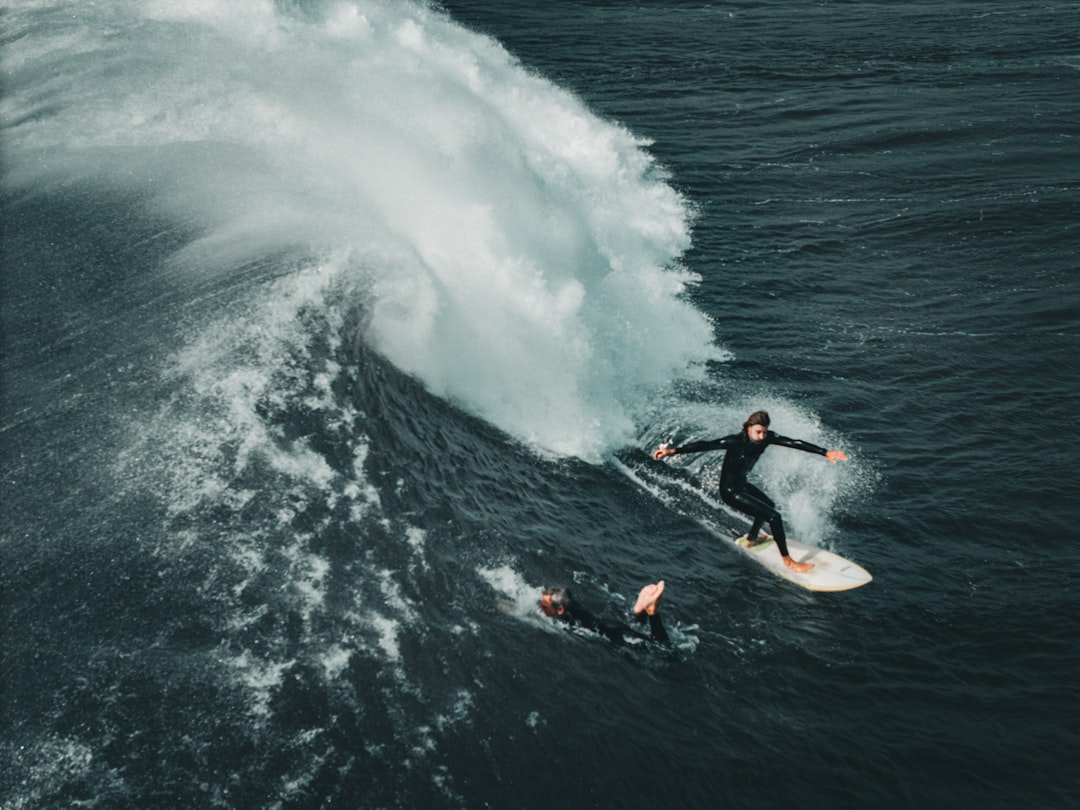
Then there’s the takeoff itself. This is where the silent language gets loud. A ripper reads the face of the wave as it pitches, sets his rail, and commits without hesitation. He knows that hesitation is the kook’s curse. He drops in with a smooth, controlled carve, letting the wave tell him where to go. His body is loose, his eyes fixed on the section ahead. He’s already thinking two turns ahead. The kook, on the other hand, looks at the wave like it’s a math problem he didn’t study for. He hesitates, adjusts his feet, looks down, looks up, then either freezes and gets pitched over the falls or manages a wobbly drop that sends him straight to the flats, arms flapping like a startled chicken. The worst part? He often smiles, thinking he just scored a great wave, while the ripper shakes his head and mutters under his breath about the degradation of lineup etiquette.
The silent language extends to the way you handle a crowd. A ripper knows how to slot into a busy lineup without causing a scene. He gives a nod, maybe a wave, acknowledges the locals, and waits his turn. He understands the pecking order isn’t about ego—it’s about respect earned through years of paying dues. He’ll let a better surfer go, not because he’s weak, but because he knows karma runs deeper than any one wave. The kook, however, paddles straight into the takeoff zone like he owns the place. He snakes, he drops in, he paddles back out right in front of someone who just completed a sick barrel. He’s oblivious to the line of sight, the priority system, the unspoken rules that keep the lineup from turning into a civil war. And when he gets yelled at, he either gets defensive or looks confused, as if the ocean belongs to everyone equally—which it does, but not in the way he thinks.
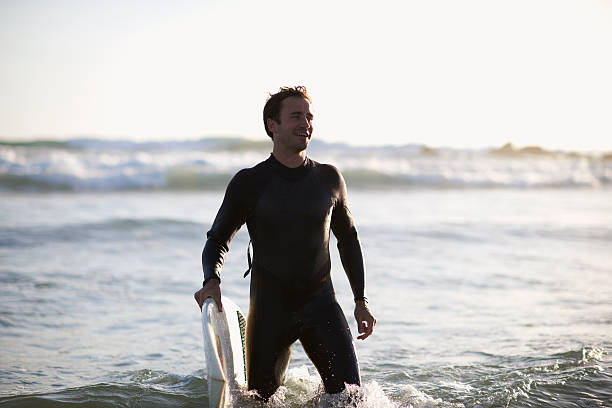
Even the way you hold your board after a session speaks volumes. A ripper walks out of the water with his board under one arm, leash coiled, fins protected, a quiet hum of stoke vibrating through his bones. He’s already thinking about the next swell, the next reef, the next tube that might give him the deepest barrel of his life. The kook drags his board across the sand, fins scraping, leash trailing like a dead snake, and he talks loudly about how some local was a jerk. He doesn’t realize the local wasn’t being a jerk—he was just speaking the silent language that kooks can’t hear.
So next time you paddle out, listen. Not with your ears, but with your whole being. The takeoff zone is a classroom, a cathedral, a battlefield. And the silent language you speak will tell everyone whether you’re a kook who needs to learn or a ripper who already knows that the best conversations happen without a single word.