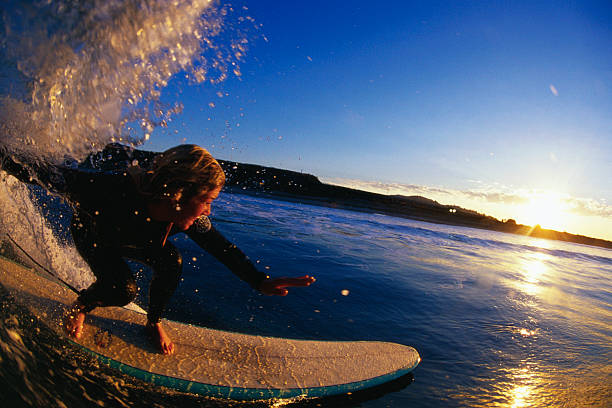
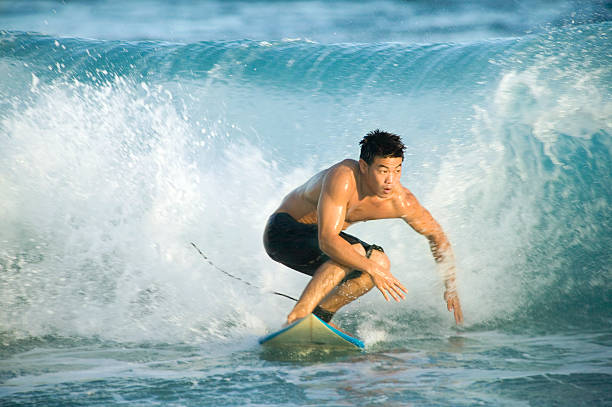
There is a stretch of reef just off Ehukai Beach that ain’t in the same spot two seasons in a row. That’s the funny thing about the Banzai Pipeline, the most photographed wave on planet Earth. She sits there, all blue-green and menacing, but her personality changes every time the sand decides to move. And on the North Shore of Oahu, when winter swells come roaring in from the Aleutian lows, that shifting reef turns Pipeline into a living beast that demands everything you got, then asks for a little more.
You paddle out at Pipe with your heart thumping hard enough to echo off the volcanic rock. The lineup is packed with locals who look like they’ve been in the water since before you learned to walk, plus a few groms from Brazil and Australia who’ve got eyes like hungry sharks. Everyone’s jockeying for position on a razor-thin sandbar that might be perfect today and completely gone by tomorrow. That’s the secret nobody tells you about Pipeline – the reef doesn’t move, but the sand that covers it does. And when the sand shifts, the wave shifts. A left that jacked up fast last week could now close out like a freight train rolling over a penny. You got to read the water every single session, not just once and call it good.
The winter swell hits with the kind of authority that makes you question your life choices. Nineteen feet at the Buoy, mean as hell. You see the sets rolling in from deep water, and the whole lineup starts paddling like demons. Then comes the wave – a thick, grinding barrel that spits with such violence you hear the snap before you see the foam. The Pipeline’s got a shallow lava reef sitting at about six feet below the surface, and when the sandbar lines up right, that wave peels in a perfect C-shape, hollow enough to ride inside like a cave with a ceiling of whitewater. But when the sand is all out of whack, the reef eats you alive. There’s a reason they call this place the most dangerous wave on Earth.
The old-school Hawaiians call it “Banzai” because of the kamikaze pilots from World War II, but the name stuck for a different reason – you gotta have a death wish to charge certain days. Except the local crew, like the Irons brothers and the Aikau lineage, they don’t think about death. They think about flow. They think about the line, the drop, the bottom turn that sets your rail, and the deep, dark, absolutely terrifying tube that spits you out like a watermelon seed. The trick is understanding that Pipeline’s power comes from her inconsistency. You can’t muscle this wave. You gotta dance with her.
I got to watch a session last December that had everything. The sandbar had done its little jig after a south swell, leaving a weird ledge that made the wave pitch up even earlier. The locals were going ballistic, threading needles that didn’t look humanly possible. One kid, maybe twenty years old, took off on a bomb that doubled up just as he hit the bottom. The whole outside section swallowed him whole, and for a second you didn’t see nothing but white. Then the barrel exhaled and there he was, standing with his arms trailing, his board shooting out the end like a bullet. The crowd on the sand went silent, then erupted. That’s the magic of Pipeline – she can humiliate the best surfer to ever strap on a leash, but she’ll also bless you with a moment so pure that you’ll chase it for the rest of your life.
The North Shore isn’t just about Pipeline, of course. Waimea Bay rumbles across the street, Sunset Beach churns with giants, and the whole seven-mile stretch from Haleiwa to Kahuku gets turned upside down when the winter trades blow. But Pipeline is the crown jewel, the proving ground, the place where reputations get built and shattered in the span of a single wave. You respect her. You learn her moods. And you never, ever talk too much shit in the lineup, because that ocean has a way of humbling even the most confident.
So if you’re planning a trip to Oahu, skip the tourist traps in Waikiki and head straight for the North Shore. Sit on the beach at Ehukai in November, watch the big boys go, and feel the raw energy radiating off that water. Then grab your board, paddle out, and see if you got what it takes to ride a wave that don’t even know where it’s gonna break next. The sand shifts, the power stays, and the aloha runs deep. That’s the North Shore way.