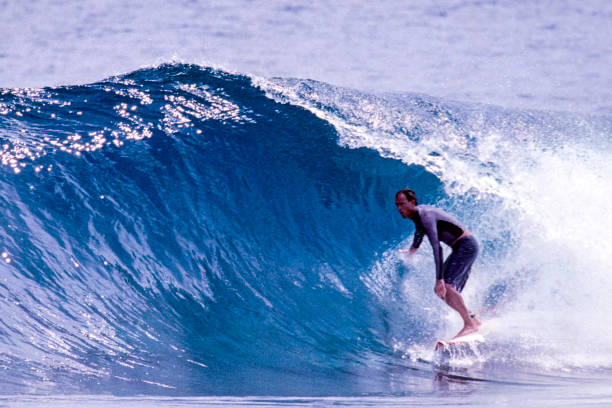
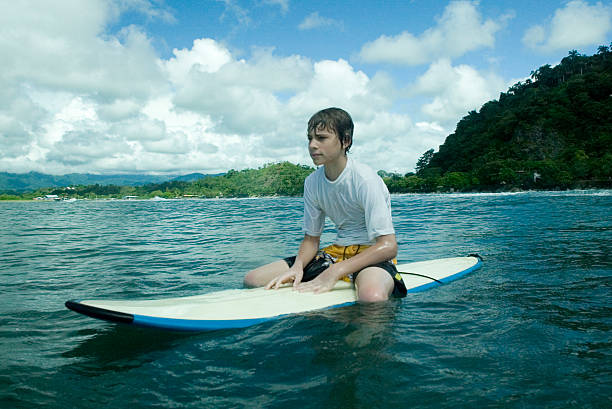
There’s a certain hum in the lineup these days, a shift in the salt breeze that tells you something fresh is brewing. It’s not just the groms on foamies or the weekend warriors getting their sunset fix. It’s a new wave of raw, aggressive talent that’s rewriting the rulebook, and nobody captures that vibe better than the next-gen shredders muscling their way into the spotlight. You feel it in the way they paddle into a set with the confidence of a ten-year veteran, the way they stomp a landing with a style that feels both reckless and perfectly dialed. This is the era of the progressive surfer, where the old guard is getting a serious run for their money, and the future looks like a heavy, barreling dream.
One name that keeps popping up in the chatter, from the pier at Snapper to the cobblestones of Mundaka, is Molly Picklum. This chick out of the Central Coast of New South Wales isn’t just a competitor—she’s a force of nature. Watching her surf is like watching a young lioness find her stride. She doesn’t just ride a wave; she attacks it with a level of power and commitment that used to be the exclusive domain of the men’s tour. When Molly drops into a Cloudbreak bomb or a heavy Snapper bowl, there’s no hesitation. She’s all in, pumping her rails, throwing buckets of spray, and hucking herself into aerials that would make the legends of old do a double-take. This is the new school. It’s not about pretty, old-school lines anymore. It’s about vertical hammers, deep bottom turns that threaten to blow out the fins, and a total disregard for the safe path.
What’s really stoking the fire is how this next generation is pushing the whole sport forward. They grew up watching Kelly Slater’s calculated brilliance and John John Florence’s fluid, otherworldly grace, but they’ve taken those lessons and cranked the gain up to eleven. Molly, for instance, has a backhand attack that is truly a thing of beauty. Where a lot of surfers get stuck on their forehand, she sees a left-hander as an opportunity to go full psycho, smacking the lip with a ferocity that echoes the heavy hitters of the Hawaiian North Shore. This shift in power dynamics is the story of the modern surfing world. The barriers of what a surfer can do on a high-performance shortboard have been shattered. The next-gen shredders, whether it’s Molly in the women’s or guys like Griffin Colapinto or Ethan Ewing on the men’s side, are taking surfing to a place where the paddle-out is just the beginning, and the real art is found in the most critical section of the wave.
It’s not just about tricks, though. That’s the misconception from the sidelines. It’s about a cultural evolution. These kids have a different relationship with the ocean. They’re more aware of the environment, more focused on sustainability, but they also embody the pure, unadulterated stoke that first drew people to the surf lifestyle. They’re chasing the sun, but they’re also chasing respect in the deepest, darkest barrels. They’re the product of a globalised surf culture, where footage of a perfect wave in Tahiti is shared instantly, and they can study the mechanics of a turn from a dozen different angles before they even paddle out. This is the endless summer for a new generation, but it’s a faster, more intense version. The sun seems brighter, the waves seem heavier, and the level of competition is absolutely gnarly.
This emerging talent isn’t just here to fill the void left by retiring legends. They’re here to redefine what a legend looks like. Molly Picklum represents a breed of surfer who is mentally tough, physically explosive, and spiritually connected to the thrill of the ride. When you see her take off behind a slab, you’re not just watching a contest heat. You’re witnessing the future of surfing unfold in a single, powerful drop. The stoke is real, the talent is deep, and the ocean is waiting. The next chapter of surfing history is being written right now, turn by turn, wave by wave, by a crew of young shredders who are absolutely charging.