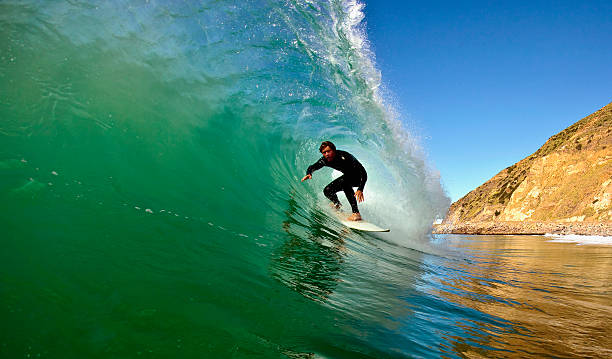
You roll up to the beach just as the first streaks of pink hit the horizon. The wind is raw, blowing straight onshore, and the sky looks like it’s been angered by the ocean itself. Most people would turn the car around and save the gas, but you know something they don’t. You know that this storm, the one that’s got the locals shaking their heads from the parking lot, is about to deliver the cleanest, most hollow waves you’ve seen all season. The trick is knowing when to paddle out and when to watch it pass. That’s the heart of the game when you’re planning a surf travel adventure and trying to dial in the best time to visit a spot based on weather patterns rather than just a calendar.
Everyone chases the endless summer, the dream of consistent trade winds, warm water, and a lineup that never shuts down. But the true surfer’s secret is that the most memorable sessions often come from a moment of chaos. Think about it. The biggest swells in history didn’t roll in on a calm Tuesday in July. They came on the heels of a monsoon, a cyclone, or a deep low-pressure system that spun out of the gulf. If you’re serious about traveling to surf, you have to learn to read the story of a front moving through, not just the month of the year. The best time to visit a surf spot is rarely the peak tourist season. It’s often just before, or right after, a big weather system rearranges the sandbars.
Let me lay it out for you. When you’re looking at a place like the Mentawais or the North Shore of Oahu, the classic answer is to go during the dry season when the winds are offshore and the swell is consistent. But that’s also when the lineups are packed tighter than a can of sardines. You want to get a little more creative. Look at the shoulder seasons, the months where the weather can be a little moody, but the payoff is solitude. A passing squall that lasts an hour can dump just enough rain to clear the crowd, shift the sand, and pump in a fresh swell that nobody else bothered to chase. That’s the surfer’s edge.
I remember sitting on a beach in a remote corner of Indonesia during a monsoon. Everyone told me I was stupid for being there. The guides were bored. The boats were tied up. But I watched the charts like a hawk, and I saw a window. A tropical depression that was supposed to hammer the coast broke up overnight, leaving behind a clean groundswell and glassy conditions. I had empty barrels for three days straight. The local fisherman just shook their heads and smiled. They knew the rhythm.
The real lesson here is about reading the earth’s pulse. You can’t just rely on a generic “best time to visit” article. You have to understand how a storm interacts with the reef, the tide, and the bathymetry. A swell that is too big or too small is a waste. A swell that arrives at the wrong tide is a closeout. But a storm swell that hits low tide with a slight side-shore wind? That’s the kind of magic that only comes to those who wait. So when you’re planning your next surf travel adventure, don’t be afraid of the forecast that looks a little messy. Sometimes the best time to visit a surf spot is the moment right after the rain stops and the wind switches. That’s when the ocean hands you a gift, a tube that only you and the storm remember.
It’s not about escaping the bad weather. It’s about choosing the right battle. You might get skunked. You might sit in a beach shack for three days eating instant noodles and staring at a grey sky. But when that window opens, and it always does, you’ll be in the water with the whole ocean to yourself. That’s the endless summer. Not a perfect forecast, but a perfect moment stolen from the chaos.