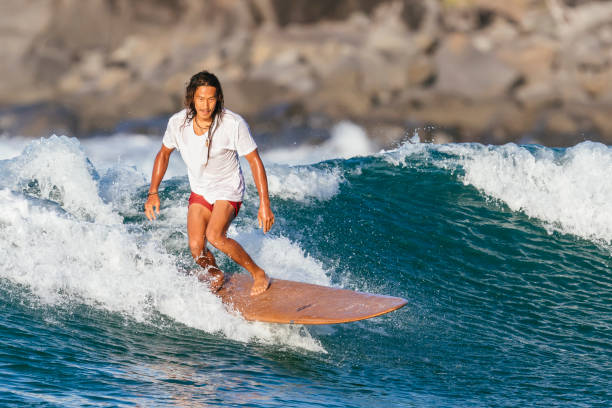
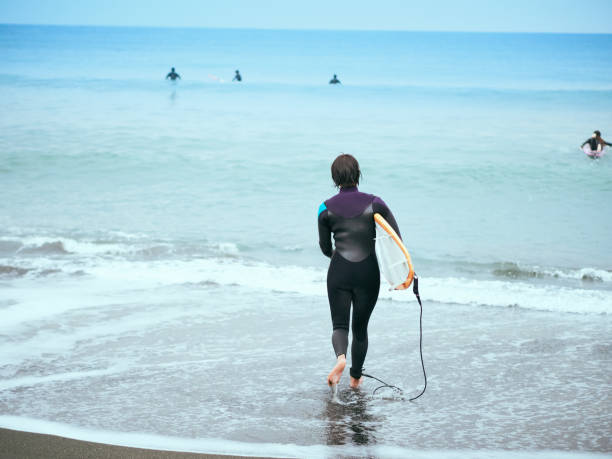
There’s a certain hum that settles over Jeffreys Bay when the Indian Ocean starts to pulse. It’s not something you hear so much as feel, deep in your gut, like the low thrum of a bass line before the chorus hits. Locals call it the “swell window,” that magical moment when the South Atlantic storms send a groundswell marching up the coast, and the sea starts rearranging itself in perfect, peeling lines. You wake up to it. The air changes, the light shifts, and every surfer in town knows it’s on.
Jeffreys Bay isn’t just a spot. It’s a pilgrimage. For those who chase the endless summer, this stretch of South African coastline is the holy grail of right-hand point breaks. But here’s the thing most people don’t get until they’ve sat out there, bobbing in the lineup at Supertubes: the wave is alive with character. It breathes. It changes tempo depending on the tide, the wind, the moon, and even the mood of the day. And the surfers who really know this place don’t just paddle out and expect magic. They learn the rhythm.
The paddle out itself is a ritual. You walk down the trail through the coastal scrub, the sand warm under your feet, the smell of salt and fynbos thick in the air. You know the break is working when you see the shoulder of the point already dotted with figures, silhouettes against the morning glare. No one hoots too loud. No one drops in without earning it. There’s an unspoken respect code here, honed over decades of crowding and competition, but grounded in the simple truth that J-Bay’s wave is powerful enough to humble anyone.
And she’s a fickle lady. The wave that launched a thousand legends, the wave of the famed “Perfect Day” session filmed for the 1968 movie “The Endless Summer,“ doesn’t just show up on command. You have to read her. You feel for the “Keyhole” section to link up with the “Impossibles” section, that long, spitting wall that can hold a barrel for what feels like an eternity. The locals, the guys who’ve been surfing here since they were groms, they don’t even look at the charts. They read the seabed. They know that a long-period swell from the southwest with a touch of east in the morning wind is the recipe for perfection. They’ll wait days for that combination, living out of their kombi vans, eating pap and wors from the stall on the main drag, sleeping in the sand just to be first on dawn patrol.
But the lifestyle here isn’t just about the wave itself. It’s about the community that builds around the swell. The parking lot at Kitchen Windows, the mellow beginner break just up the beach, becomes a social hub. There’s a guy repairing a ding on his bonnet with a fresh patch of resin. A group of traveling longboarders sharing a six-pack, swapping stories about the wave they scored an hour ago. Someone’s got a fire going, cooking snoek on a braai. The kids are playing in the shorebreak. For a fleeting moment, the whole world slows down to the pace of the tide.
And when the swell fades? You don’t panic. You just chill. You go for a walk along the endless stretch of sand, from the point all the way to the Albatross. You explore the quirky surf shops that line the main street, where you can buy a board that was shaped in a garage around the corner. You grab a coffee at the local café and listen to the old-timers debate the best boards for a small day at the Boneyards. Traveling to J-Bay is more than hunting perfect waves. It’s sinking into a pace of life that honors the ocean above all else.
This is the soul of the Bay. It’s not a destination you check off a list. It’s a place you return to season after season, forever chasing that same feeling you had on your first wave out of the Supers. The rhythm works its way into your bones. You learn to let go of the hustle. You learn to read the water, to wait for the pulse, and to know that when the Bay is on, the rest of the world can just wait.