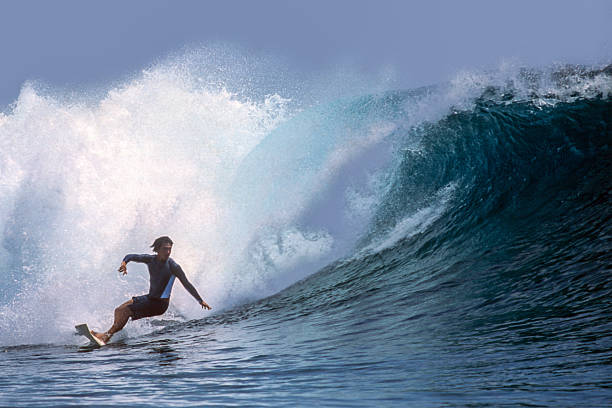
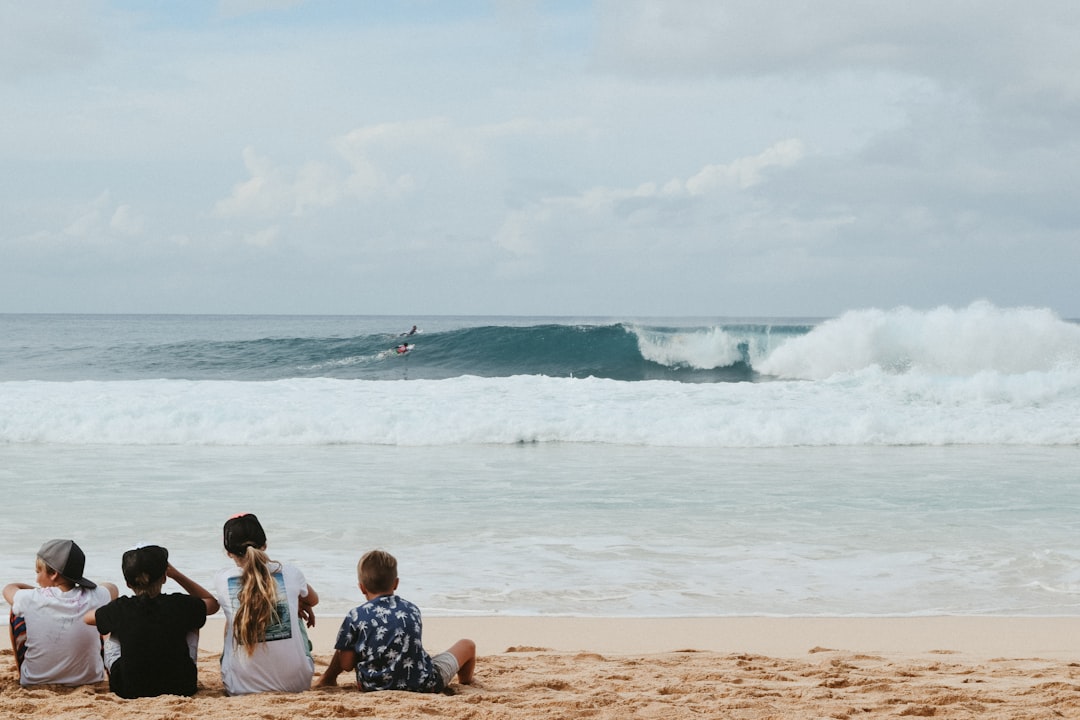
You’ve been paddling your heart out, arms burning, lungs screaming, and finally that perfect wall of blue starts to lift you up. Your board feels alive beneath you, the nose tilts forward, and for a split second you’re skimming across the surface like a pelican riding a thermal. Then your feet get tangled, your hips twist sideways, and you eat foam. Wiped out again, bro. Every grommet hits that wall—the pop-up is the great equalizer between a hopeless flailer and a kid who actually starts shredding. Getting it smooth isn’t about raw power; it’s about understanding the physics of your own body and respecting the wave’s rhythm.
The pop-up is the single move that separates the guys who catch waves from the guys who ride them. It’s not just jumping to your feet—it’s a controlled explosion of energy that lands you in the perfect stance before the wave tells you where it’s going. Think of it like a cobra strike. When you feel that wave start to push you, your hands should already be flat under your shoulders, palms planted like you’re about to do a push-up, but your fingers are pointed slightly forward. Keep your chest up, your abs tight, and your eyes locked on where you want to go, not on your board. The biggest mistake young shredders make is staring at the nose. That’s how you pearl—nose dives straight into the ocean floor.
Your back foot needs to slide forward as your front foot comes up. It’s a single fluid motion, not two steps. Imagine you’re springing out of a crouch and landing in a low squat with your knees bent, weight centered over the stringer. If you’re regular foot, your left foot goes forward, right foot back toward the tail. Goofy foot reverses it. But here’s the secret that no one tells you: the pop-up isn’t really about your feet landing perfectly—it’s about your hips. Your hips need to rotate from facing the board to facing the nose of the wave. That rotation gives you the torque to snap into a bottom turn or carve across the face. Without hip rotation, you’re just standing there like a mailbox on a surfboard.
You can practice this on the beach. Find a patch of sand that’s not too soft, lay your board down, and run through the motion a hundred times. Paddle, paddle, paddle. Hands under shoulders. Push up, slide back foot forward, front foot lands between your hands, and you’re up. Pop, pop, pop. Do it until it feels like you’re breathing. Your body needs to memorize that sequence so that when the wave is jacking under you, your nervous system doesn’t freeze up. Pros call this “muscle memory,” and it’s the only thing that saves you when the wave is steep and your paddle is barely enough.
Timing matters almost as much as technique. You don’t want to pop up as soon as you feel the lift. Wait half a second—let the wave’s energy fully engage your board. If you’re too early, you’ll stall out and slide back down the face. Too late, and you’ll get pitched over the falls. The sweet spot is when the board is planing, the fins are biting, and you can see the wave’s lip curling ahead of you. That’s the moment to explode. It’s an intuitive thing that only comes from wave time, but once you feel it, you’ll never miss it again.
Take it from the old salts at the point: a smooth pop-up makes everything else easier. You can draw longer lines, hit the lip with more speed, and even start thinking about a turn before you’re fully upright. For the grommet who’s still battling the foam, slow down your mind. Don’t rush. The wave will wait for you—it’s just water. You’ve got the stoke, you’ve got the board, and you’ve got the drive. Now go find a little peel in the shorebreak and pop until you’re flying. That first time you land it clean and the wave carries you with no wobble, you’ll understand why we keep paddling back out. That feeling is pure gold, and it’s yours for the taking.