There is a stretch of Mexican coast that exists in the quiet space between the roar of the Pacific and the silence of the desert. It is not a place you stumble upon. You earn it. The road to Scorpion Bay, or San Juanico as the locals call it, is a long, dusty ribbon of washboard gravel that shakes your tires, your bones, and your expectations clean out of you. By the time you roll into that little fishing village, you have already left the modern world behind. And that is exactly the point.
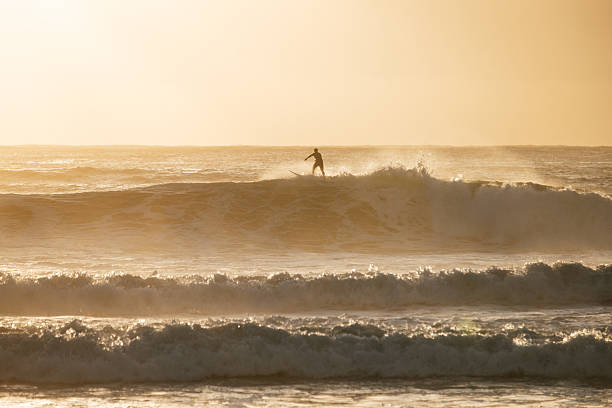
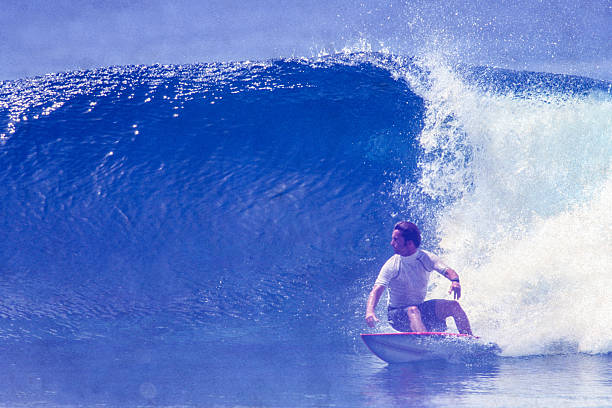
The wave here is a creature of myth, a right-hand point break that peels for three hundred yards on a good day. A thousand yards on a perfect one. The kind of wave you dream about when the wind is howling onshore back home and you are staring at a flat forecast. It is a wave that demands patience, respect, and a willingness to sit in the lineup for hours, watching the horizon for a bump that might never come. But when it does, when that long, green wall rises from the deep blue and the offshore wind combs the lip into a glassy curtain, you understand why you drove fourteen hours straight on a single cup of bad coffee.
The vibe at Scorpion Bay is not like the crowded point breaks of Southern California or even the more accessible breaks of mainland Mexico. There is no lifeguard tower, no rental shop, no taco stand with a neon sign. The village itself is a handful of dusty streets, a few palapa restaurants, and a population of fishermen who have been pulling lobster and yellowtail from these waters long before any gringo strapped a board to a roof rack. The surfers who come here are a certain breed. You will meet a retired school teacher from Oregon who has been coming for twenty years, a young couple on a year-long road trip in a converted van, and a crusty old soul who paddles out every dawn and never says a word. Everyone understands the unwritten code. The wave belongs to the wind and the tide first. You are just a guest.
The rhythm of the day is dictated by the swell. You wake before the sun, check the horizon, make a pot of camp coffee, and paddle out in the gray light. The morning session is usually the best, the wind glassy, the water calm, the wave holding its shape like a sleepy serpent. After a few hours, the wind shifts and the surface gets a texture that makes it harder to read. You paddle in, eat a plate of fish tacos for fifty pesos, and spend the afternoon reading a dog-eared paperback under the shade of a palapa. When the wind lays down again in the late afternoon, you go back out. Wash, rinse, repeat. It is a simple life, and it is the richest kind.
The real treasure of the Baja point breaks is not just the wave itself, but the journey it represents. The endless drive down the peninsula, the border crossing that always feels like a minor miracle, the military checkpoints where a surfboard strapped to the roof is a passport of its own. The moment you pass Guerrero Negro and the landscape turns from scrubby chaparral into a stark, lunar beauty, you feel the weight of daily life lift. The cell service disappears. The emails stop. You are just a human being, salt on your skin, sand in your hair, chasing a wave that has been rolling for thousands of miles to meet you.
There is a sacredness to this kind of travel. It is not a vacation that is booked and packaged. It is a pilgrimage. You do not go to Scorpion Bay to be comfortable. You go to be present. The wind whips the tent at night. The stars are so bright they seem close enough to touch. The sound of the ocean is a constant, low hum that becomes the background of your dreams. And when you paddle out at dawn, alone or with a handful of kindred spirits, and you see that first set rising in the distance, you remember why you do this. It is not about scoring the wave of the day. It is about being in a place where nothing else matters but the water, the wind, and the endless search for a moment of grace.