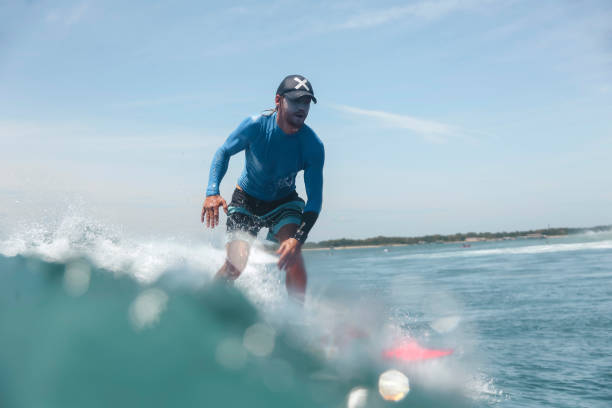
In the world of surfing, what you wear isn’t just about looking good on the beach—it’s about performance in the water and respect for the culture on land. Surf apparel companies have always walked a tightrope, balancing core functionality with the effortless style that defines the surfing lifestyle. It’s a blend that separates the real deal from the posers, and getting it right is everything.
Let’s start with function, because that’s where it all begins. When you’re out there, whether you’re battling a chunky NorCal winter or gliding through tropical bathwater, your gear has to work. A good wetsuit isn’t just about thickness; it’s about seam construction, flexibility in the shoulders for paddling, and flush zones that keep the icy shock at bay. Brands that grew from the water up, like Rip Curl with their G-Bomb seams or O’Neill’s Psychofreak line, are obsessed with this stuff. They’re built by surfers who know that a leaking suit or a stiff board short can turn a dream session into a miserable paddle battle. It’s about tech that you feel, not just see—neoprene that moves with you, linings that dry fast, and zippers that don’t catch your skin when you’re scrambling to get out before the next set.
But function alone doesn’t cut it. The style that sprouted from surf shops in the 60s and 70s has become a global language. It’s the look of someone who lives by the tide. Think about it: a pair of boardshorts. They need a secure waistband that won’t bail on a heavy wipeout, a liner that doesn’t chafe, and a quick-dry fabric. But they also need the right fit, the right pattern—maybe a classic Hawaiian print or a clean, modern solid. This is where brands like Quiksilver and Billabong nailed it for decades, turning functional surfwear into the uniform of a sun-chasing lifestyle. The style says “I’d rather be in the water,“ even when you’re stuck on dry land. It’s low-maintenance, built for sand and salt, and carries that vibe of endless summer.
Today, the game has evolved. The line between performance and streetwear is blurrier than ever. You’ve got brands like Vissla, born from a modern “Creators and Innovators” ethos, making gear that works for a high-performance surf but looks sharp enough for the cafe afterward. They, and others like them, understand that for the everyday surfer, life isn’t segmented. You go from dawn patrol to work, from a road trip to a remote point break to a beachside BBQ. The apparel has to flow through all of it.
Then there’s the sustainability piece, which is becoming non-negotiable. The surf community sees the changes first-hand—polluted lineups, weird weather, crowded breaks. Companies like Patagonia’s surf line and Finisterre are leading the charge, building wetsuits from natural rubber, using recycled plastics in their boardshorts, and designing gear to last. This is function on a deeper level: functioning in harmony with the ocean that gives us the stoke in the first place. It’s a style of consciousness.
In the end, the best surf apparel companies get it. They know their roots are in the saltwater. They build gear that lets you paddle harder, duck dive deeper, and stay out longer. But they also craft the look and feel of the life we all chase. It’s a balance of respecting the ocean’s power and expressing the pure joy it brings. So next time you zip up a steamer or pull on some boardshorts, check the blend. The right stuff gives you the confidence to charge, and the style to carry that feeling wherever the day takes you. That’s the ultimate combo.