Surf Actions: From Duck Dive to Air

Alright, so you wanna talk surf. Not just the wax-on-the-board basics, but the real language of the lineup—the verbs that become your story out there. This ain’t about sitting on the beach; it’s about the kinetic poetry of moving with the ocean, from the gritty survival moves to the pure expression of flight. Let’s break down the action, the lingo that paints the picture from takeoff to kickout.

It all starts with the paddle out. Sounds simple, right? But any surfer knows this is where the battle is often won or lost. You’re fighting whitewater, timing sets, and conserving energy. Then comes the first real test of commitment: the duck dive. On a shortboard, you’re pushing the nose deep, a knee on the tail to sink it, and diving under the chaos. On a log, you’re doing the turtle roll, flipping the whole craft upside down and hanging on as the wave rumbles over you. It’s a humble, essential move. Master this, and you earn your shot at the lineup.

Now you’re sitting, scanning. The horizon bulges. This is it. You spin and paddle, digging hard. Feel the lift? That’s the wave grabbing your board. This is the moment of truth: the pop-up. One fluid motion from belly to feet—no push-ups, just a spring-loaded coil and boom, you’re standing tall. You’ve caught the wave, you’re in.

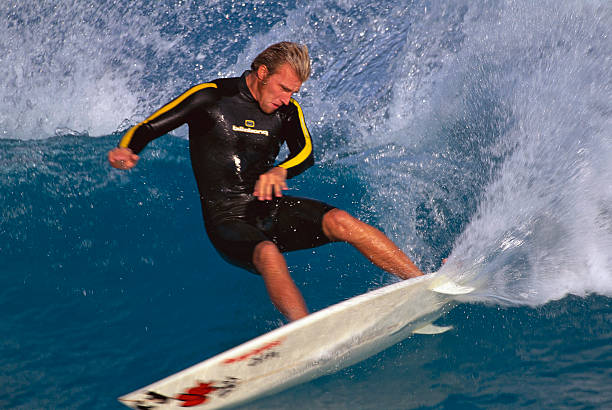
But you’re not just a passenger. This is where direction and style write the lines. You bottom turn, that fundamental carve at the base that’s your launchpad for everything. It’s your gathering of speed and intent. From there, you choose your path. Maybe you trim, finding that sweet spot of balance and speed, just cruising the pocket. Or you carve, laying the rail over for a powerful, sweeping turn that throws a little spray.

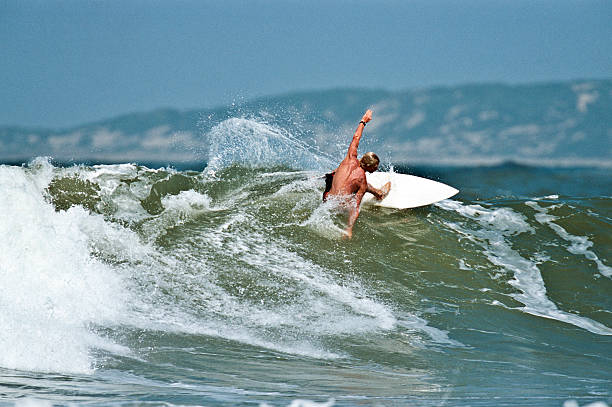
Then there’s playing on the face. You hit the lip, driving the board up to the wave’s crest to bash the foam. You fade, taking off at an angle up the face before whipping back into the power. You stall, dragging a hand or foot to slow down and let the tube catch up. And if you’re lucky, you get shacked. That’s the goal for many: getting barreled, tubed, pitched inside that green room. You pull in, tuck into the cylinder, and hope for the make, shooting out the other end with a spit of spray. A close-out barrel is the one that shuts down on you—still a glorious defeat.

And then, there’s the sky. The modern game has brought the air. This is where you launch, using the lip as a ramp. You get air. A simple straight air is a thing of beauty, but then you have the rotation: the 360, the 540, the air reverse. You grab the board—indy, mute, stalefish—adding style points before the landing. Stomping it back on the face is the ultimate “got it” feeling.

Finally, you finish. You kick out, riding up and over the wave’s shoulder with a final bit of flair, or you ride it out all the way to the flats. You’ve gone from the submerged struggle of the duck dive to the weightless peak of the air, a full cycle of surf action. Each move is a word in the sentence, each wave a story. So next time you’re out there, listen to the lineup. You’ll hear this poetry in action. Just make sure you’re not the one kooking it up. Now go get wet.
Related Posts

Live Surf Cams

Surfline Live is a 24/7 glimpse into the world’s surf.

This stream moves through Surfline's global camera network, showing spots where it’s daylight and rated Fair or better.

What's The Deal With...?

Mastering the Waves

Why is paddling power so crucial for surfing?

Paddling is your engine. Without a strong, efficient paddle, you can’t catch waves, get out back, or position yourself properly. It builds shoulder and back endurance, which is key for long sessions. Think of it as your foundation; everything else—the pop-up, the ride—depends on getting to the wave first. Training with a swim paddleboard or even just consistent swimming will massively boost your stamina and get you catching more set waves instead of watching them roll by.

What’s the Best Leash for My Board?

Match the leash length to your board size, generally. A 7-foot board needs a 7-foot leash. Bigger waves or guns demand a thicker cord (like 9mm+) for extra strength so it doesn’t snap on a heavy wipeout. Coiled leashes are great for longboards to avoid tangling. A good leash has a solid swivel to prevent tangling and a comfortable calf strap. Remember, it’s your lifeline to your board—don’t go for the cheapest option. It keeps you and others in the lineup safer.

Any tips for maintaining my surf gear so it lasts?

Totally, bro! Rinse everything—wetsuit, boardies, rashie—with fresh water after every saltwater session. Hang your suit on a thick, padded hanger in the shade, inside out first, then right side out. Keep it away from direct sun and heat when storing. For boardies and tees, avoid harsh detergents. Check your wetsuit for little nicks and repair them with neoprene cement before they become big tears. Showing your gear a little love makes it last way longer, saving you cash for more important things... like surf trips!

Surf Travel Adventures

What’s the impact of my surf gear choices?

Think eco from the beach to the board. Sunscreen that’s “reef-safe” (oxybenzone and octinoxate-free) is non-negotiable to protect fragile coral. Consider a board made with more sustainable materials like recycled foam or bio-resins. Your gear bag? Ditch single-use plastics. Supporting brands that prioritize the environment helps push the whole industry toward greener practices. Every purchase is a vote for the kind of world you want to surf in.

How do I eat on a budget without losing energy for sessions?

Hit the local markets and grocery stores, not the tourist restaurants. Load up on fresh, local fruits, veggies, and proteins to make your own poke bowls or sandwiches. A cooler bag for beach days is key. In many spots, you’ll find amazing, cheap grinds from family-run sodas or food trucks. Staying somewhere with a kitchen is a major win. Hydrate with water, not expensive drinks. Fueling smart keeps you in the water longer.

What’s the essential gear to pack?

Your favorite board, if you can travel with it. Otherwise, pack a good leash, a couple of bars of wax (cool/warm/tropical), and a solid reef-safe sunscreen. Don’t forget your boardies or wetsuit—even tropical dawnies can get chilly. A basic first-aid kit for reef cuts is smart. Throw in a spare fin key and some ding repair epoxy. Pack light, but pack right.