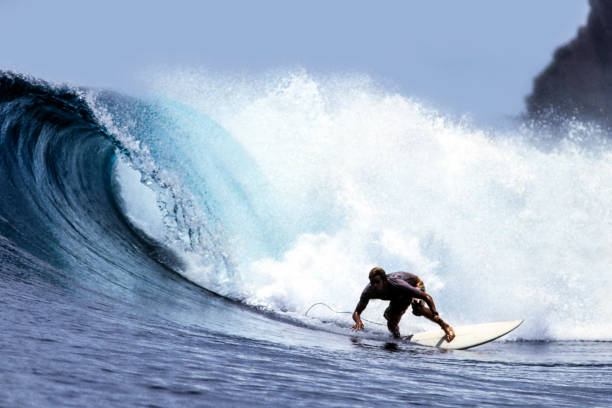
I remember the first time I pulled on a traditional neoprene wetsuit. That smell, that stiff rubbery feel, the way it fought you like a stubborn tarpon. We accepted it because that was the price of staying warm in the winter swells. But every time I peeled it off after a dawn patrol, I felt a little guilty about the petroleum products that went into making it. Then I heard about Yulex, a natural rubber sourced from hevea trees, and the new wetsuits built around it. I had to try one. So I grabbed a fresh suit from a brand that’s been riding the green wave, and I took it out for a week of solid overhead surf.
First things first, the smell. There’s no petrochemical stink. Instead, you get a faint, earthy scent that reminds me of walking through a coastal rainforest after a rain. That might sound weird, but for a surfer who spends half his life inside rubber, it’s a welcome shift. The flexibility is the next thing you notice. The new Yulex suits are made with a limestone-based neoprene blended with the natural rubber, and they stretch like a yoga instructor on a good day. My paddle stroke felt smoother, more fluid. No more fighting the suit to reach for a late takeoff. The shoulders and arms have a give that lets you chase the wave before it even lines up. I was able to get into positions I usually miss during the first few sessions of the season.
But how does it hold up in the cold? That’s the big question for anyone who surfs in northern waters. I took this suit out in 52-degree water with an air temp that matched, and I stayed toasty for a solid two-hour session. The natural rubber traps heat just as well as the old stuff, thanks to a clever internal lining that wicks moisture away from your skin. I didn’t get that icy trickle down my spine that happens when the seal fails on a cheap suit. The wrist and ankle cuffs are tight but not restrictive, and the neck seal sits snug without choking you. After three hours, the only cold part of me was my face, and that has nothing to do with the suit.
Durability is another side of the story. I used to get holes in my neoprene after a few heavy sessions, especially around the knees where I’m always resting on the board. The Yulex suit has a reinforced pad in that area, and after a week of reef breaks and rocky entries, I didn’t see a single tear. The seams are glued and blind-stitched, which means fewer places for water to sneak in. I even dragged the suit over a sharp coral head on the inside of a wave, and it shrugged it off like a gorilla swatting a fly.
Now, let’s talk about the environment. Traditional neoprene comes from polyurethane or PVC, both petroleum products. Yulex is a renewable resource, and the manufacturing process uses a fraction of the energy. It’s not perfect, but it’s a hell of a lot better than digging up crude oil. Many of these suits are also made in factories that use minimal water and recycle waste. That means when you buy one, you’re not just looking after your own comfort, you’re looking after the lineup for the next generation of groms. That’s a good thing, because the ocean has given us so much.
The only downside is the price. A top-of-the-line Yulex wetsuit will cost you a bit more than a standard one, maybe fifty to a hundred bucks extra. But think about the benefits: you get a suit that feels better, lasts longer, and keeps you warm without needlessly wrecking the planet. For regulars who surf three or four times a week, that extra cost is worth it. Plus, the resale value is decent because these suits hold their shape and color better.
I did notice one small quirk. The Yulex material feels a bit softer than traditional neoprene, so you have to be careful when you’re yanking it off after a session. If you pull too hard on the collar, you might stretch it out. But that’s a minor thing. I just take an extra minute to roll it off, and it’s fine.
Overall, the new Yulex wetsuits are a game changer. They prove that we don’t have to choose between performance and sustainability. We can have a suit that moves like a second skin, protects us from the cold, and leaves a smaller footprint on the earth. The next time you’re shopping for a new rubber, give the natural stuff a shot. Your skin will thank you, and so will the sea.