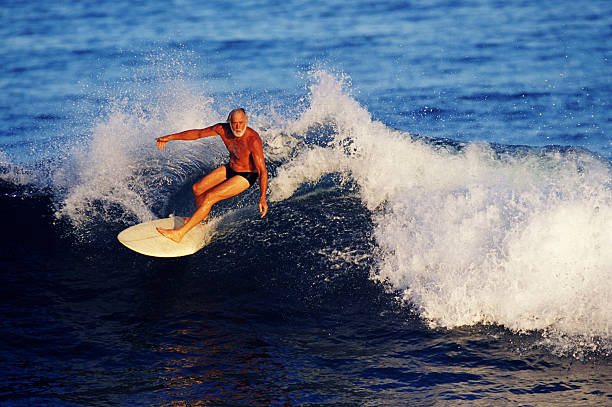
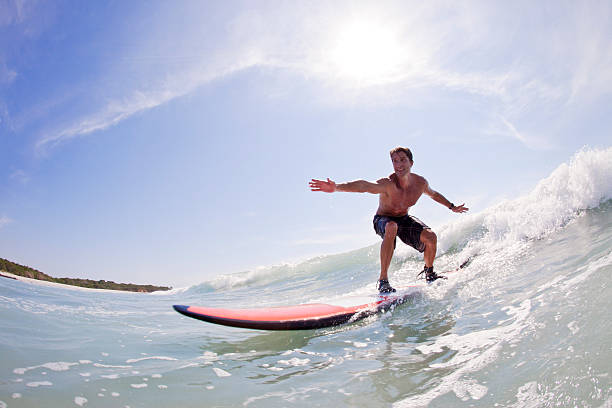
When you paddle out past the shore break and feel the ocean floor drop away beneath you, you are entering the lineup. This is not just a place on the water where waves begin to feather and fold. The lineup is the living heart of any surf spot, the gathering zone where surfers sit on their boards and wait for the set to come through. It is a sacred space governed by an unwritten code that separates the groms from the seasoned chargers, and understanding how to conduct yourself here is more important than having the most expensive performance shortboard or the latest fins.
The lineup sits roughly where the waves begin to pitch, usually at the outer edge of the breaking zone. From here you can see the swell lines marching toward you on the horizon, and you can gauge whether to scratch over a closeout or swing your board around for a drop. But the physical position is only half the story. The social geography of the lineup is its own strange and beautiful thing. There are locals who have been surfing that peak for decades, and they know every sandbar shift, every rip current, every subtle change in tide. There are visitors who should be respectful and humble, and there are beginners who should not be there at all until they learn to read the ocean and hold their own. The lineup filters all of these people through an ancient system of priority and respect.
Priority is the big word in the lineup. It means you have the right of way on a wave because you are deepest in the peak, closest to where the wave first breaks. If someone is deeper than you and paddling for the same wave, you pull back. It is that simple and that complicated. Drop in on someone who has priority, and you will quickly learn what local knowledge really means. You might get a harsh word, a paddle handle to the nose of your board, or a permanent bad reputation at that break. But priority is not just about being aggressive. It is about reading the lineup and understanding who has been sitting there waiting for twenty minutes while you were still on the beach waxing up. A good surfer in the lineup will often eye the more experienced locals and give them the wave, not out of fear but out of respect for the ocean and the culture that has been built around it.
The lineup also teaches you about wave selection. Sitting in the lineup, you watch the sets roll in. Some waves look promising from the beach but turn into fat, unmakeable lumps by the time you get into position. Others seem small from behind but jack up nicely when they hit the reef or sandbar. You learn to read the water color, the way the swell bumps against the current, the trajectory of the wind that chops up the face. Experienced surfers in the lineup know the difference between a grindy, hollow wave and a walled-up closeout, and they let the tourists paddle for the junk while they sit deep for the gem.
But the lineup is not all tension and territorial vibes. On a good day, with small crowds and mellow energy, the lineup becomes a floating community. You trade waves with a friendly nod. You share a laugh when someone gets pitched over the falls. You warn each other about a sneaker set rolling in when someone is too far inside. This is the part of the lineup that makes surfing feel less like a sport and more like a shared ritual. The endless summer feeling comes alive when you are sitting out there bobbing on your board, the sun warming your back, and a pod of dolphins glides through just past the break. It is a moment that cannot be bought or manufactured.
The etiquette of the lineup extends beyond the waves themselves. When you are paddling out, you do not paddle straight through the impact zone where people are dropping in. You take the channel if there is one, or you duck dive under the whitewater and emerge on the outside with a breath and a grin. You do not snake other surfers by paddling around them to get the inside position. You do not burn people by taking off on a wave they have already committed to. These rules are not written on any sign at the beach, but they are engraved in the salt-stained consciousness of every surfer who has ever sat in the lineup and waited for that perfect peak to stand up and offer itself.
So when you paddle out tomorrow, remember that the lineup is more than just a spot in the water. It is a classroom, a social club, a proving ground, and a sanctuary all at once. Respect the people who have been in it before you. Watch how they move, how they wait, how they take off. Learn the language of the lineup, and you will earn your place in the endless summer.