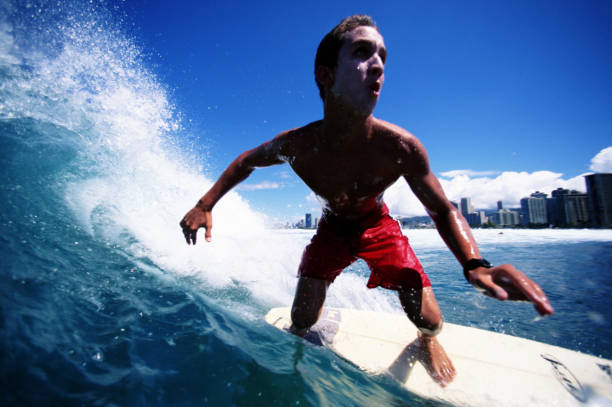
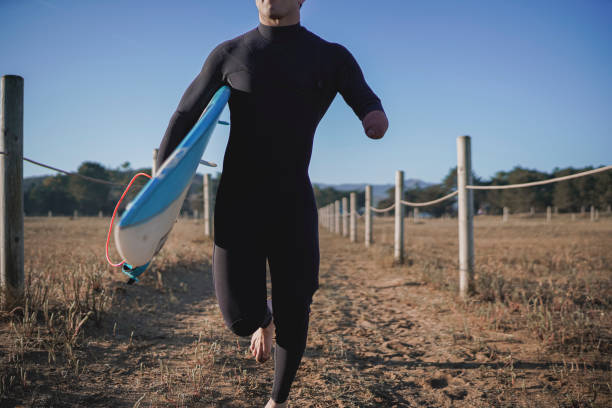
There’s a moment on any given dawn patrol when the ocean first speaks to you, and if you listen close, it’s not just the wind or the waves but something deeper, something almost alive. Every surf break on this big blue planet has a rhythm, a pulse, a distinct vibe that stamps itself onto the water and everyone who paddles into it. You can chase the same swell down the coast, watch the same sets roll through, but pull up at a beach fifty miles south and it’s a whole different ballgame. The sand shifts, the peaks peel differently, and the crew in the water carries a story that has been written and rewritten for generations. That is the true magic of local surf scenes—they are living, breathing creatures with personalities as unique as any human.
Think about it. You roll into a sleepy little point break somewhere in Baja, no houses, just dirt trail and a cracked surfboard rack nailed to a palo verde. The water is bath-warm, the waves are slow and forgiving, and the three or four dudes out there nod at you like you’ve known them forever. That’s not the same energy as a heavy reef pass in Indonesia where the locals have been raised on meaty barrels and they look at you with a mix of curiosity and patience, waiting to see if you can handle the freight train. And neither of those compare to a crowded Southern California beach break where everyone is silently jockeying for position, the pecking order written in the way shoulders drop and fins slide, no words needed. Each place has its own code, its own sense of respect, its own way of saying “you’re welcome here” or “you better earn your waves, kook.”
Localism gets a bad rap sometimes, but the truth is it’s not about being mean or territorial. It’s about stewardship. The guys who have surfed the same sandbar since they were groms know every ripple of the tide, every shift in the swell direction, every stone and urchin that lurks just under the surface. They have paddled out in glassy morning glory and hurricane chaos, and they have a bond with that stretch of ocean that a visitor could never fully grasp in a single session. So when they give you the stink eye or paddle deep to take off, it’s not hatred—it’s a test. Can you read the room? Can you read the waves? Show some respect, acknowledge the pecking order, and suddenly the lineup opens up. The same locals who seemed cold become the ones who hoot your deepest barrel, who share a beer on the beach after, who tell you about the secret reef that only works on a big west swell. That is the soul of a local surf scene: not exclusion, but earned inclusion.
Every break’s unique vibe is also shaped by the natural world around it. A landlocked point with mossy cliffs and fog rolling through at dawn has a different energy than a shallow sandbar under a blazing equator sun. The color of the water, the texture of the reef, the way the wind lays down or howls onshore—all of that feeds into the mystique. Out on the North Shore, the ocean roars with a raw, unforgiving power, and the culture reflects that: humble, respectful, sometimes fierce. Down in Australia’s chilled-out points, the vibe is more laid-back but still full of quiet confidence. In France, the beach breaks can be rowdy and passionate, with surfers arguing in three languages over a single shoulder. And in places like say, a tiny cobblestone reef in Nova Scotia, you’ve got a handful of hardy souls who surf ice-encrusted waves just because they love it, and their community is tight as a welded chain.
The beauty is that you don’t have to travel to the famous spots to feel this. Every local scene, no matter how obscure, has its own seasonal rituals—the first big swell of autumn, the bitter winter sessions, the summer dawn patrol crews that become like family. There are board makers who keep the stoke alive, old-timers who have stories that stretch back before leashes were invented, and young rippers who push the limits with progressive tricks. All of it weaves into a tapestry that makes surfing far more than just a sport. It makes it a way of life, a language spoken through good waves and bad wipeouts, through shared paddles out through whitewater and the silent respect after a beautiful ride.
So next time you paddle out somewhere new, drop your ego at the water’s edge. Watch that lineup like a student, feel the rhythm, respect the locals. Because every break has its own heartbeat, and if you listen, you might just find yours too.