
The Endless Stoke: A Surfer’s Guide to Life and Travel

Forget the desk. The real office has a liquid floor, a saltwater view, and a commute that depends on the tide. The surf lifestyle isn’t something you buy off a rack; it’s a rhythm you tune into, a pursuit of the next wave that shapes everything from your home base to your passport stamps. It’s about chasing that feeling, the drop, the glide, the pure connection. This is about living it, and traveling for it.

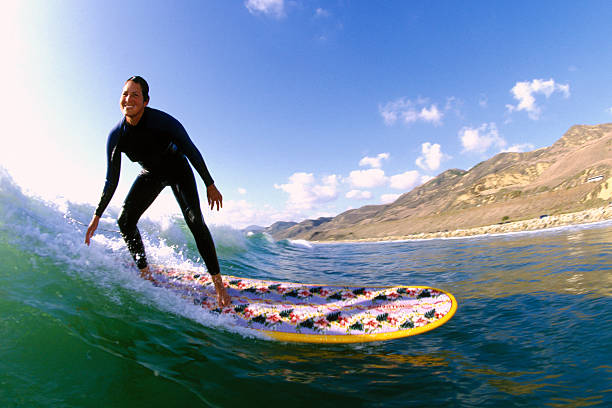
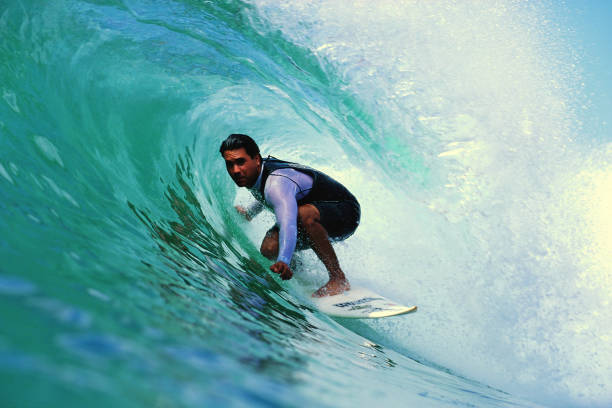
At its core, this life is simple. It’s dawn patrol, waking before the world to check the swell, feeling that buzz in your gut when the buoys are lit. It’s the ritual of waxing up, feeling the familiar grip under your palms. It’s paddling out, duck-diving through the impact zone, and sitting on the lineup with a handful of others who speak the same silent language. The terminology isn’t jargon; it’s the daily report. You’re not just “going to the beach.“ You’re checking if it’s overhead and glassy, or knee-high and mushy. You’re looking for a peak that offers a clean left, or maybe a fast, tubing right. You’re not just riding a wave; you’re trimming, carving a bottom turn, setting a line, maybe getting shacked if you’re lucky. It’s a physical chess game played in moving water.

But let’s be real—no single beach fires on all cylinders, every day. That’s where the travel itch starts. The surf lifestyle is inherently nomadic, fueled by the dream of finding perfect, uncrowded waves. It’s the modern-day Endless Summer, chasing summer swells across hemispheres. Your gear becomes your most trusted luggage: a quiver of boards for different moods, from the high-performance shortboard for punchy beach breaks to the trusty fish or funboard for playful points, and maybe a step-up gun for when it gets heavy. You learn to pack light but right—a couple of boards, a few suits, a block of wax, and a solid sense of adventure.

Surf travel isn’t about five-star resorts. It’s about dirt roads leading to secret spots, renting a beat-up 4x4, and camping on a cliffside. It’s about respecting the locals, because every break has its own vibe and hierarchy. You score a remote Indonesian archipelago, trading stories with other travelers in a losmen after a day of draining left-handers. You wait for a window in the North Atlantic for a cold, powerful reef break, suited up in 5mm of rubber. You find a mellow point break in Central America where the waves just keep coming and the pace of life slows to match the swell. The goal is always the same: to get barreled, to get a long, screaming ride, to simply be in the water somewhere new.

This life is also about the times between sessions. It’s the repair ding on your board, a badge of honor from a closeout. It’s analyzing surf forecasts like a meteorologist, understanding wind swells versus ground swells. It’s the community—the crew you paddle out with at home and the instant bond with a stranger in the water halfway across the globe who just shared a set with you.

Ultimately, the surf lifestyle and travel are one and the same: a commitment to the search. It’s about prioritizing stoke over convention, sun-bleached hair over a perfect haircut, and a well-worn board over a fancy car. It’s knowing that the best wave of your life might be just over the next horizon, and being ready to go find it. So keep your eyes on the charts, your boards ready, and your mind open. The world is full of empty lineups and dawn patrols waiting to be discovered. Just go.
Related Posts

Live Surf Cams

Surfline Live is a 24/7 glimpse into the world’s surf.

This stream moves through Surfline's global camera network, showing spots where it’s daylight and rated Fair or better.

What's The Deal With...?

Surf Icons & Heroes

How does Kelly Slater train and stay in shape?

It’s not just paddling, bro. His regimen is next-level. He mixes intense water sessions with dry-land training: think yoga for flexibility, breath-hold exercises for big hold-downs, and functional strength workouts. He’s big on cardio and endurance, often using a VersaClimber. Diet is key too—mostly plant-based, clean fuel. But his biggest secret? He’s just in the ocean constantly. That muscle memory and wave knowledge from a lifetime of surfing is the ultimate training. His discipline is as sharp as his surfing, which is why he’s still competing with the young guns.

How did Tom Curren influence modern high-performance surfing?

He laid the foundation for today’s power-carving, bro! By emphasizing rail-to-rail transitions and deep, committed turns, he showed that true power comes from connecting with the wave’s energy, not just hacking at the lip. Surfers like Kelly Slater directly cite him as a major influence. Curren proved that technical precision and soulful style could win world titles, pushing performance toward a more powerful, flowing approach that’s still the gold standard.

How did Layne influence women’s surfing?

She absolutely changed the game. Layne brought a new level of power and aggression to women’s surfing, proving chicks could charge just as hard. Her success forced the industry to take women’s surfing more seriously, leading to better prize money and exposure. Through her foundation and advocacy, she’s been a vocal leader for equality, inspiring a whole generation of groms to believe they could make a career out of riding waves. She paved the way for the modern era.

Surf Lifestyle & Travel

What’s the key to reading a complex reef break like Pipeline?

Patience and observation from the sand, first. Watch how the wave throws, where the boils are (showing shallow reef), and where the pros take off and pull in. Note the distinct peaks—First Reef, Second Reef, Third Reef—and how they connect. Understanding the tide is critical; a slight change can make it a totally different wave. It’s a puzzle. Never just paddle out blind. The more you watch, the more you see the line-up’s rhythm and the terrifying, perfect barrel it offers.

What makes Costa Rica such a perfect wave magnet?

Costa Rica gets slammed by consistent, year-round SW swells, and its coastline is a crazy mix of beaches, points, and reefs that groom those swells into perfection. Add in warm water, offshore winds from the Caribbean, and the pura vida vibe, and you’ve got a surfer’s paradise. Whether you’re a grom learning at Tamarindo or a charger hunting hollow Pavones, there’s a dream wave with your name on it. It’s the ultimate surf trip where you can score without a 4/3.

What gear should I bring for a J-Bay mission?

Bring your good boards. You’ll want a high-performance shortboard for those clean, down-the-line walls—think a round-tail or squash tail for drive and flow. A step-up for bigger, heavier days is smart. Don’t forget a quality 3/2mm or 4/3mm wetsuit, even in summer; the Benguela Current keeps things chilly. Booties can help on the rocky point. And pack a solid leash; you do not want a board snap in the middle of a long, pumping ride.