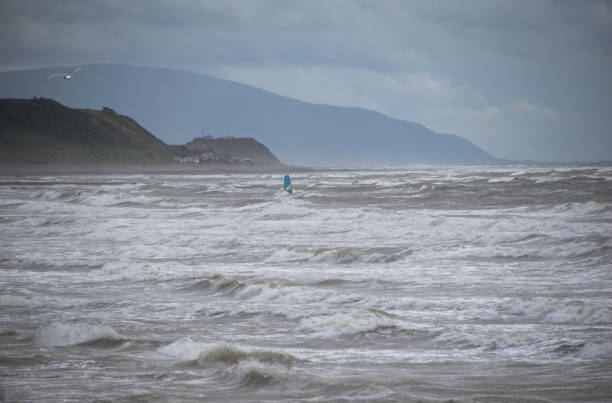
There’s a certain kind of magic that only exists when the world is still dark and the only sound is the distant rumble of a swell hitting the sand. That’s where you’ll find the dawn patrol crew. These are the souls who have traded warm sheets for cold wetsuits, who know the exact moment when the horizon starts to blush with pink and orange, who understand that the best waves are often the ones nobody else sees. For anyone chasing the stoke, finding your tribe often starts right here, in the pre-dawn lineup where the only currency is commitment and a shared love for the ocean.
The dawn patrol is more than just a time of day. It’s a brotherhood, a sisterhood, a loose collective of water people who have silently agreed to meet at the same break day after day. You’ll recognize them by their beat-up station wagons and the steam rising from thermoses of coffee. There’s the old salt who has been surfing the same point since the seventies, the grom who is late for school but couldn’t resist a glassy chest-high set, and the working stiff who needs a few waves just to stay sane before the clock starts ticking. They don’t all talk much, but they don’t need to. A nod of the head, a paddle over to let someone drop in, a shared laugh when a set closes out on everyone—that’s the language of this tribe.
Finding your tribe in surfing is rarely about looking for it. It happens organically, like a tide that pulls you toward people who get it. The dawn patrol crew is the purest example of this. You show up enough times, and suddenly you’re part of something. You learn the breaks. You learn the names. You learn who gets the good waves and who snaked you on the last wave of the set. The hierarchy isn’t official, but it’s understood. The guy who paddles out first and catches the first wave of the day earns a silent respect. The woman who charges through a closeout just to make it outside earns the same.
What makes a dawn patrol tribe so special is the shared sacrifice. Nobody is there for the glory or the Instagram shot. The light is too low for photos anyway. You’re there because the ocean calls, and because the quiet solitude of the early morning lineup is a kind of church. There’s something deeply grounding about being in the water when the sun crests the horizon, throwing golden light across the face of a wave. It’s a moment that belongs only to those who showed up. That feeling becomes the glue that holds the crew together.
But it’s not all zen and peace. The dawn patrol can be a battlefield too. When a solid swell rolls in and the lineup gets crowded, tribal instincts kick in. You learn who has respect for the pecking order, who doesn’t, and who will paddle into a pack of strangers just to fight for a scrap. That’s part of the tribe too. You figure out who you want beside you when a set wave jacked up and ready to close out the inside. You learn who will call you into a bomb and who will drop in on you. Those lessons form the unspoken code of the crew.
The truly beautiful thing about finding your tribe through the dawn patrol is that it transcends age, background, and skill level. I’ve seen a grom get a coaching tip from a grizzled shaper during a lull. I’ve seen a doctor and a carpenter share a thermos of coffee on the beach, talking about the swell direction like old friends. The ocean doesn’t care about your resume. It only cares that you showed up. And that shared act of showing up, day after gray, cold, perfect morning, creates a bond that is realer than most anything you’ll find on land.
If you’re new to surfing or trying to find your place in the water, don’t stress about fitting in. Just find your dawn patrol. Pick a break, wake up early, and be consistent. Respect the local rules, smile, say hello, and don’t be a wave hog. Over time, you’ll stop being the new guy and start being part of the crew. You’ll find that your tribe is not a club you join, but a current you let carry you. When the water is glassy and the sun is breaking through the morning mist, and you’re sitting out there with a handful of people who also couldn’t stay in bed, you’ll know you’ve found it. That’s the stoke. That’s the endless summer of the soul. That’s your tribe.