Forget the postcard. Forget the gentle rollers and the sun-drenched beaches of Southern California. Half Moon Bay, just south of San Francisco, is a different beast entirely. This is the Big Wave Zone, a stretch of coast where the Pacific Ocean doesn’t just whisper; it roars. It’s a place of raw power, cold water, and legendary slabs that have written chapters in the history of surfing’s most extreme pursuit.
The vibe here is pure Northern California. Thick wetsuits, booties, and hoods are mandatory year-round. The air is often chilled by fog, the water is a brisk 50-something degrees, and the landscape is rugged, with cliffs and farmland meeting a moody, grey-blue sea. This isn’t about bronzed glamour; it’s about grit, commitment, and a deep respect for the ocean’s untamed force. The crowd here isn’t your typical lineup. It’s a tribe of watermen and women, hardened by the cold and humbled by the sheer power they choose to dance with.
When the massive winter swells roll in, generated by storms thousands of miles away in the North Pacific, Half Moon Bay transforms. The entire area becomes a magnet for big wave surfers and spectators alike. The focal point, the crown jewel of this zone, is of course Mavericks. Just off the jagged point at Pillar Point, Mavericks is a name that carries weight in any surf conversation. It’s not a wave for the faint of heart or the under-gunned. It’s a thick, lumbering right-hander that detonates over a shallow, rock-strewn reef. The takeoff zone is a committing drop into a cavernous pit, followed by a racing, often treacherous wall that can line up for a quarter-mile on its best days. The sound alone is unforgettable—a deep, thunderous boom that echoes off the cliffs, announcing each set long before it’s seen.
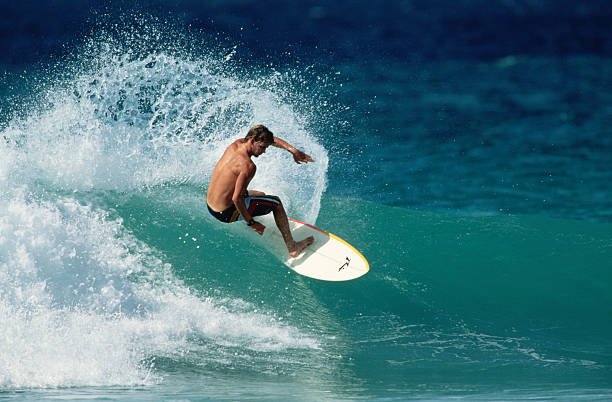
But the Big Wave Zone isn’t a one-hit wonder. The area offers a spectrum of challenges. On bigger days, spots like The Jetty can offer slightly more manageable, though still heavy, walls for those not quite ready for the Mavericks arena. The beaches south of town, like Francis and Venice, can produce powerful, grinding beach breaks that demand respect and solid paddle power. The entire coastline here acts as a funnel, focusing swell energy into explosive, powerful waves.
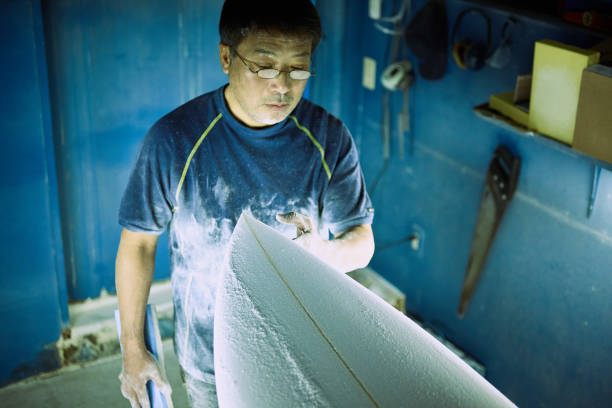
Surfing here is an equipment game. You’ll see the quivers in the parking lots: big wave guns, thick and long, shaped for pure speed and control in massive faces. Tow boards, with their foot straps, sit ready for when the waves get too critical to paddle into. This is where the evolution of big wave gear—from heavier glass jobs to modern hydrodynamic designs—gets tested in the most real-world lab imaginable.
The culture around Half Moon Bay’s surf scene is one of quiet intensity. There’s a local knowledge that runs deep, an understanding of the tides, the winds, and the unique bathymetry that makes these waves break the way they do. It’s a place of legends, where names like Jeff Clark, who famously pioneered Mavericks alone for years, and later icons like Mark Foo, whose legacy is forever tied to the spot, are spoken of with reverence. It’s a reminder that surfing isn’t always about endless summer; sometimes, it’s about confronting winter head-on, chasing not just the sun, but the ultimate test of nerve and skill.
So if your surf travel dreams are built around challenging yourself, around feeling the true, unfiltered power of the ocean, set your coordinates for Half Moon Bay. Just be ready to earn your turns. This is where the Pacific flexes its muscle, and only the prepared and the respectful get to ride.