There is a specific kind of quiet that exists only in the hour before first light, a stillness that the rest of the world sleeps through. For those of us who have chosen the surfing life, that quiet is the sound of opportunity. The alarm clock goes off, and it is not a nuisance but a call. It is the moment where the lifestyle choice makes itself known, not in the abstract idea of hanging ten on a perfect wave, but in the raw, tangible act of swinging your legs out of a warm bed while the rest of the house is still breathing deep. That is the real heart of it. The dawn patrol is not just a time of day; it is the unspoken contract you sign with yourself when you decide that surfing is more than a hobby—when it becomes the lens through which you see everything else.
These early mornings have a ritualistic precision to them. You learn the motions by feel, not by sight. The coffee is poured in the dark, the wetsuit goes on with a practiced shiver that your body knows is temporary. You grab the board, feel the familiar weight on your hip, and step out into the cool air. The car engine hums to life, and you roll down the windows because the cold air keeps you awake, but also because you want to smell the salt as you get closer. It is a pilgrimage that you make not because you have to, but because the alternative—sleeping in, missing it—feels like a far greater loss. This is the trade-off that defines the lifestyle. You miss the parties that run too late. You sacrifice the lazy mornings of the nine-to-five crowd. You accept that your social calendar is dictated by tides and wind forecasts, not by invitations.
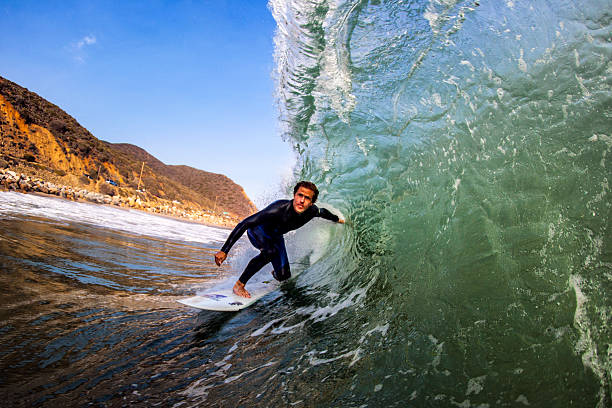
When you paddle out in that soft, grey light, the world is yours. The ocean is a sheet of mercury, unbroken and waiting. There is no one else out yet, just you and the horizon. That first stroke through the glassy surface sends a ripple through the silence, and you feel the cold water seep into the seams of your suit. It is a shock at first, but it is a good shock—a reset button for the soul. Out there, bobbing in the lineup, you realize that the early wake-up, the cold, the minor sacrifices, they are all part of the same currency. You are paying for a moment of stoke that cannot be manufactured by any other means. The first wave of the session is always the best, not because it is the biggest or the cleanest, but because it represents the reward for your commitment. You take off, drop down the face, and for a few seconds, you are not thinking about bills, deadlines, or the chatter of the world. You are just moving, perfectly aligned with a force of nature.
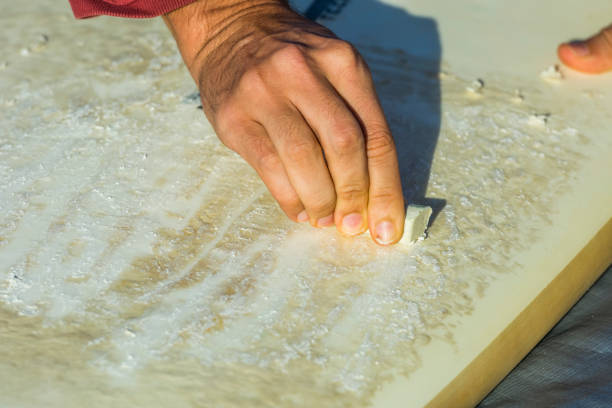
This lifestyle choice bleeds into everything else. It changes how you view your work, your relationships, your free time. You become a student of the swell charts, a master of reading the weather. You develop a deep, almost spiritual respect for the ocean, because you have seen it calm and you have seen it angry, and you have learned to move with it rather than against it. The culture of surfing is built on these daily decisions. It is not just the act of riding waves; it is the entire ecosystem that surrounds it. The wax you buy, the road trips you plan, the way you look at a map and see potential point breaks instead of just geography. It is a mindset that prioritizes flow over rigidity, experience over accumulation.
There is a misconception that living the surfing life means being irresponsible or aimless. In reality, it requires a discipline that is often invisible to the outside world. You learn to manage your time ruthlessly to fit in a session before work. You learn to be present, because the ocean does not care about your schedule. It demands your full attention, and that is a beautiful kind of pressure. The decision to make surfing a lifestyle is a decision to constantly recalibrate. Some days you score perfect waves, and other days you sit out in a flat sea, just watching the light change on the water. Even those days are valuable. They teach patience.
At its core, this choice is about chasing a feeling that cannot be bought. It is about understanding that the best things in life often require the most effort. When you finally paddle in, your arms heavy and your feet pruned, you carry that calm back with you. It lasts through the breakfast you eat standing up, through the traffic on the way home. The rest of the day is measured against that time in the water. That is the contract you signed, and you would sign it a thousand times over. The stoke is the reward, but the commitment is the path.