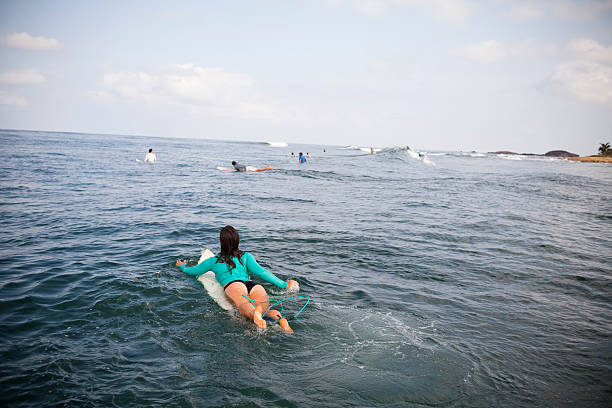
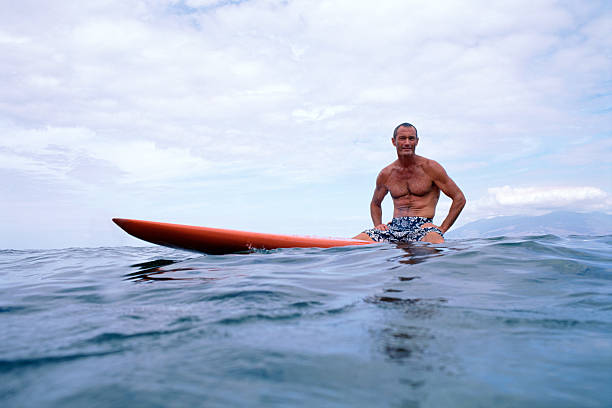
There’s a feeling that hits you when the alarm goes off at four in the morning, not because you have to, but because you want to. The swell charts lit up the night before like a promise written in ocean ink, and your board’s already strapped to the roof, waxed and waiting. This is the rhythm of the surfari, the heartbeat of the endless summer lifestyle. It’s not about vacation days or holiday weekends—it’s a mindset, a slow roll along the coast where the only thing that matters is the next set, the next sandbar, the next perfect peel that nobody else has found yet.
The beauty of chasing the sun is that it never actually sets on the swell. You learn to read the weather gods like old friends: high pressure systems sliding across the Pacific, groundswells born from storms a thousand miles away, and the delicate dance of tide and wind that turns a choppy mess into a glassy dream. When you’re on the road, every dawn brings a new lineup. Maybe it’s a right-hander wrapping around a volcanic point in Costa Rica, a hollow left dredging over a shallow reef in Bali, or a sleepy beach break in Baja where the water’s warm enough to forget your wetsuit entirely. The endless summer isn’t a season—it’s a choice to stay in the sweet spot, to keep moving when the waves flatline elsewhere.
You don’t need a fancy van or a million-dollar setup. A beat-up station wagon with a mattress in the back, a cooler full of cold burritos and questionable coffee, and a quiver of two boards—a groveler for the small days and a step-up for when the horizon goes dark—that’s all the gear a true soul surfer requires. The real currency is time and tide knowledge. You trade stories with strangers at point breaks who become friends by the second set. You learn to dodge crowds by paddling out at dawn or by hiking twenty minutes down a forgotten cliff trail where the only footprints are yours. The endless summer lifestyle is about simplicity: wake, surf, eat, sleep, repeat. There’s a purity in that cycle that strips away all the noise of modern life.
Of course, there are sacrifices. You miss birthdays, weddings, and the comfort of a permanent address. Your skin gets salty and your hair turns into a permanent tangle of sun-bleached knots. The car breaks down somewhere near the Oregon border, and you fix it with a leatherman and a prayer. But the trade-off is worth it every time you paddle out alone at sunset, the water glowing like liquid gold, and a clean set rolls in just for you. That moment—when the ocean gives you a wave that feels custom-made, when you drop in and the world goes silent except for the hiss of the face—that’s why you keep moving.
The endless summer isn’t about never feeling cold or never facing a flat spell. It’s about knowing that somewhere, right now, the wind is offshore and the tide is working. It’s about having the willingness to drive five hundred miles on a hunch, to sleep in a dusty parking lot, and to wake up to the sound of a solid groundswell rumbling in the dark. The road becomes your home, the coast your backyard, and every new break a chapter in a story you’re writing with your fins and the curl of the wave.
So if you’re thinking about loading up the wagon and heading south, or east, or west—wherever the charts point—just go. Don’t overthink it. The endless summer vibes aren’t found in a resort or a guidebook. They’re found in the salt spray on your face, the sand in your shorts, and the quiet satisfaction of a long session when your arms are fried and your soul is full. The sun will chase you, and you’ll chase it back. That’s the deal. That’s the surfari life, and there’s no better way to spend your days.