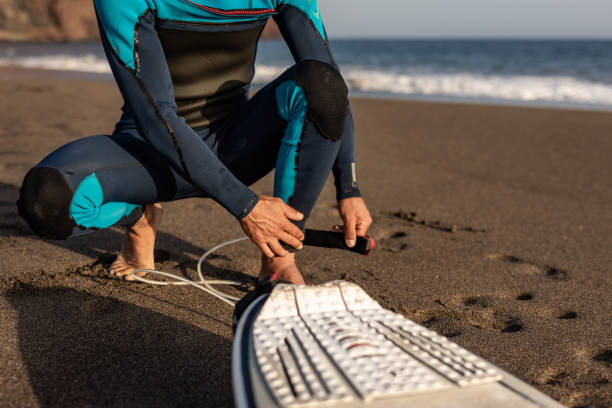
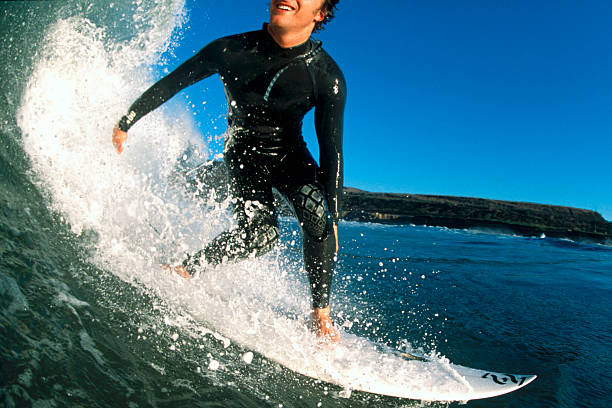
There is a certain kind of magic that happens when you stop trying to control every tide and start listening to the ocean instead. Most groms and seasoned salts alike get caught up in the logistics of a surf trip, mapping out every sandbar and sleeping spot months in advance, locking themselves into a rigid itinerary that leaves no room for the spontaneous whisper of a distant groundswell. But the real juice of a surf adventure, the kind that sticks to your soul like wax on a deck, comes from understanding something far more fluid: the art of the selectable swell window.
A selectable swell window is not just a line on a chart or a number on a forecast. It is a philosophy. It means planning your trip not around a specific calendar date, but around a loose, flexible window of time where you can afford to wait. You are not chasing a wave; you are chasing the potential for a wave to arrive. This is the difference between a good trip and a truly epic, life-altering one. When you say, “I have two weeks in August to score waves down the coast,” you are closing doors. But when you say, “I have two weeks of freedom, and the ocean will tell me where to go,” you open up the entire coastline as your playground.
To do this properly, you need to cultivate a light relationship with your own plans. You book flights that are refundable or cheap enough to burn. You pack a bag that is ready to roll at a moment’s notice. You have a loose hub, maybe a cheap hostel or a van basecamp, and you watch the long-range models with a quiet patience. You are looking for that specific combination: a long-period groundswell from a distant storm, hitting a stretch of coast that you know handles the direction perfectly, ideally with a light offshore wind in the morning. When you see that window open, you move. You do not hesitate. You throw the boards on the roof and drive through the night, because you know that the best waves are often the ones that nobody saw coming.
The greatest reward of this flexible approach is the collision with local knowledge. When you arrive in a remote bay based on a three-day-old forecast, you have to lean on the crew already there. You paddle out and you sit a little deeper, a little quieter, and you listen. You watch who is catching the set waves and where they are sitting. You ask the right question, like “Which bank is working on the dropping tide?” rather than “Where are the good waves?” That humility, that willingness to let the ocean be your teacher and the locals be your guide, is what separates a shoulder-hopper from a real traveler. You might get the tip on a secret right-hander that only breaks on a full moon and a south-southwest swell. You might be invited to a beach bonfire where you hear stories that rewrite your definition of a perfect wave.
Of course, this approach has a steeper learning curve. You will burn a few tanks of gas for nothing. You will chase a phantom swell that fizzles out, leaving you sitting in a flat, glassy lake under a hot sun, wondering why you ever left the comfort of home. That is part of the deal. A flat day on a selectable trip is not a failure; it is just a chance to check a new point, eat a good taco, and recalibrate. The ocean is not a machine. She gives and she withholds. The surfer who masters the swell window knows that the wait is part of the wave.
So when you are planning your next run, resist the urge to nail down every spot. Give yourself the gift of flexibility. Look at the forecast, feel the wind on your face, and trust your gut. The best trip you will ever take is the one where you let the swell draw the map. Pack light, keep your fins waxed, and stay ready. The ocean is patient. The question is whether you are patient enough to let her show you the way. That is where the true endless summer begins.