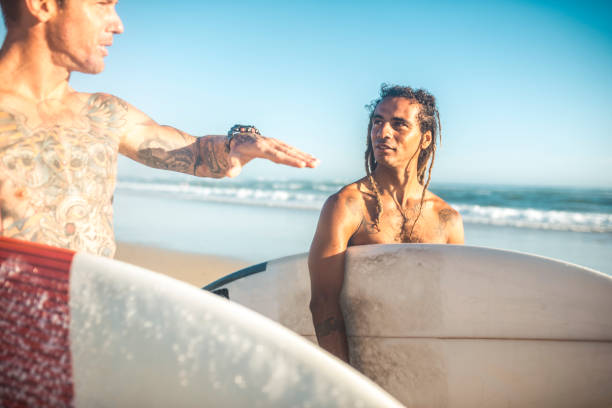
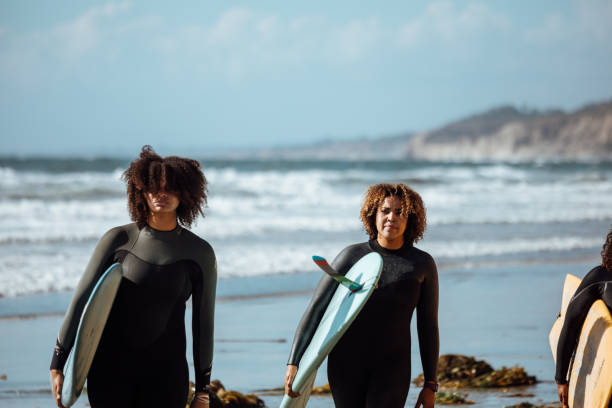
Let’s get one thing straight from the get-go: surf photography isn’t about just taking pictures of people standing on boards. Anyone with a phone can do that from the cliff. Real surf photography is about bottling lightning. It’s about freezing a split-second of pure, chaotic energy and translating the raw feeling of surfing—the stoke, the power, the glide—into a single, static image. It’s the ultimate act of capturing the soul of our culture.
Think about it. Before the internet, before surf mags were on every coffee shop table, how did the stoke spread? It was through those grainy, sun-drenched images of guys like Miki Dora at Malibu or Greg Noll charging Waimea. Those photos weren’t just reports; they were invitations. They built the mythology. They made a kid in landlocked Iowa dream of the ocean and defined what style and commitment looked like. That’s the legacy this craft carries. Every time a water photographer gets pounded by a closeout set or a land-based shooter waits for hours for the light to go gold, they’re working in that same tradition—documenting the now for the forever.
The grind to get the shot is a whole mission in itself. You’ve got two main crews: the water rats and the land lovers. The water shooter is in the thick of it, armed with a housing that costs more than most people’s cars, swimming through the impact zone, getting held down, and fighting currents, all while trying to keep their eye glued to the viewfinder. They’re looking for that intimate angle, the spray off the rail, the look of concentration on a surfer’s face. They’re inside the barrel looking out. That perspective is everything. It makes you, the viewer, feel like you’re there, your heart pounding in your chest.
Then you’ve got the lensmen on land, perched on rocks or piers with a big telephoto. Their game is patience and perspective. They’re waiting for that magic hour when the sun turns the wave into liquid gold, framing a surfer against a massive curtain of water to show the sheer scale and power of the ocean. They tell the story of the wave as much as the rider. Both styles are crucial. One is the visceral, in-your-face experience; the other is the epic, awe-inspiring postcard from the edge.
But here’s the core truth that every good surf photographer knows: the best equipment in the world means nothing if you don’t understand what you’re looking at. You need to read the lineup like a surfer. You need to anticipate where the peak will throw, know which surfer is likely to get the wave, and sense what they’re about to do. Are they going to hit the lip or race the tube? That knowledge is what separates a snapshot from a captured moment. It’s about timing the sequence so the critical turn is at its peak, or the spit is just beginning to explode from the barrel. It’s capturing the micro-second of weightlessness before the re-entry. That’s the moment we all live for.
In the end, surf photography is the backbone of our visual culture. It’s how we share the dream. It fuels the fire for the grommet cutting school to chase a swell, it inspires the weekend warrior to paddle out on a bigger day, and it connects a global tribe of people who speak the same salty language. Those images are our trophies, our history books, and our postcards from perfect days we never want to forget. They’re proof that the moment—no matter how fleeting—was absolutely, undeniably, real. And that’s worth chasing.