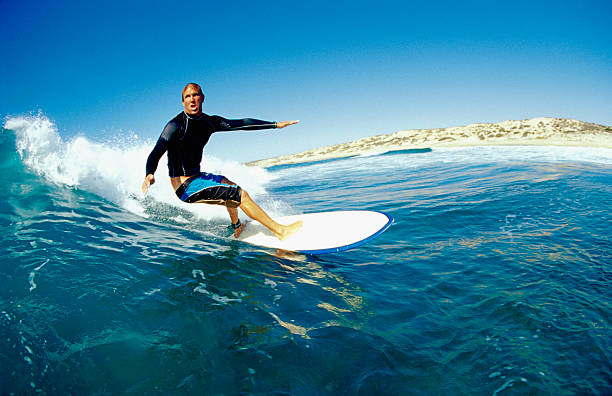
Let’s be real. Surfing looks like a solo mission. One person, one board, against the ocean. But any salty dog knows the truth: the stoke is shared. What really makes this lifestyle sing isn’t just the waves you catch; it’s the crew you catch them with. Building a genuine surf network is the secret sauce, the difference between just getting wet and being part of the tribe. It’s about plugging into the heartbeat of surf culture and community, far beyond the lineup.
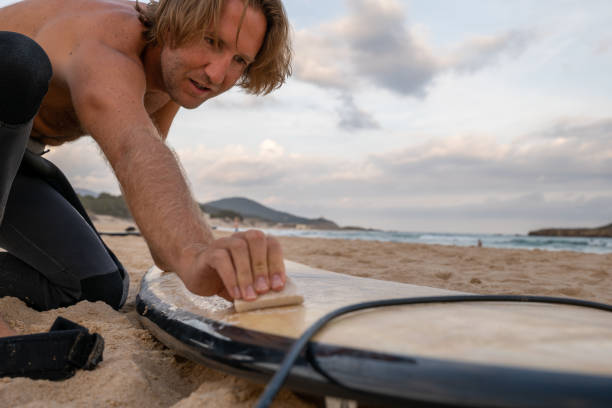
It starts local. Your home break is your anchor. Showing up, dawn patrol after dawn patrol, isn’t just about scoring empty waves. It’s about recognition. The nod to the regulars, the respectful sharing of peaks, the silent understanding when a set rolls through. This isn’t about forced small talk; it’s earned camaraderie. Help someone retrieve a lost board, share a wax rag, give a hoot for a good ride. These micro-interactions weave the fabric of your immediate community. The local shaper, the ding repair guru, the shop owner who knows your preferred fin setup—these are the cornerstones of your network. Support them and they’ll have your back, with gear, with beta, with a cold one after a session.
But the surf network extends way past your zip code. This is where the magic of the modern surf tribe kicks in. We’re global citizens chasing the endless summer, and your crew can be, too. That solo trip to Costa Rica or Indonesia? It’s only solo until you paddle out. Hostels near surf breaks, communal areas at camp grounds, the lineup itself—these are natural hubs. You bond over the morning’s conditions, swap stories of epic swells, and next thing you know, you’ve got a floor to crash on in Portugal and an invite to a secret spot in Morocco. This network is built on shared stoke, a universal language that transcends passports.
Of course, we live in the digital age. The online surf community is a powerhouse for connection. But it’s not about being a keyboard kook. Use it wisely. Follow local photographers, engage with shapers showcasing their crafts, join regional surf groups for honest swell reports. The goal is to transition those digital connections into real-world waves. See someone posting from a break you’re planning to visit? A respectful, knowledgeable DM can open doors. The key is authenticity. Don’t just ask for secrets; contribute. Share your own experiences, post that funky twin-fin you’re riding, celebrate other people’s sessions.
Ultimately, building a surf network is about giving more than you take. It’s respecting the locals wherever you go, understanding the hierarchy and the history of a break. It’s sharing knowledge, whether it’s teaching a grom the rules of the road or telling a traveling surfer about the sneaky rip at the river mouth. It’s about preserving the spots we love, showing up for beach clean-ups, and being a steward of the coast.
Because here’s the bottom line: the best sessions of your life will almost always involve other people. The dawn patrol where you and a mate have it to yourselves, hooting each other into glassy peaks. The campfire after a day of chasing swell, replaying every section with your new friends from across the globe. The feeling of belonging in a lineup halfway around the world because you speak the same salty language. That’s the real juice. So get out there, be cool in the water, share the stoke, and watch your world—and your wave count—expand. Your surf network is your greatest asset. Build it with care, and you’ll never surf alone.