Surf Lingo & Slang

•

Live Surf Cams

Surfline Live is a 24/7 glimpse into the world’s surf.

This stream moves through Surfline’s global camera network, showing spots where it’s daylight and rated Fair or better.

What’s The Deal With…?

Surf Lingo & Slang

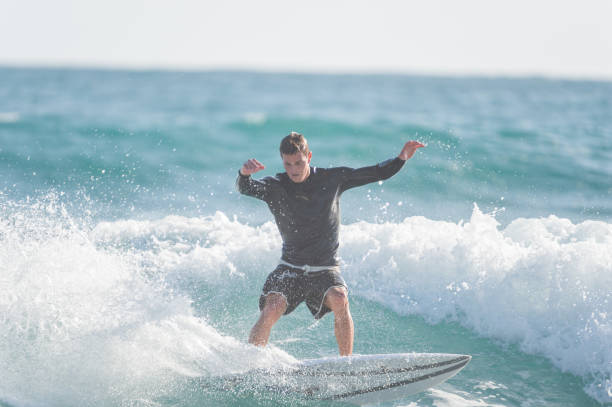
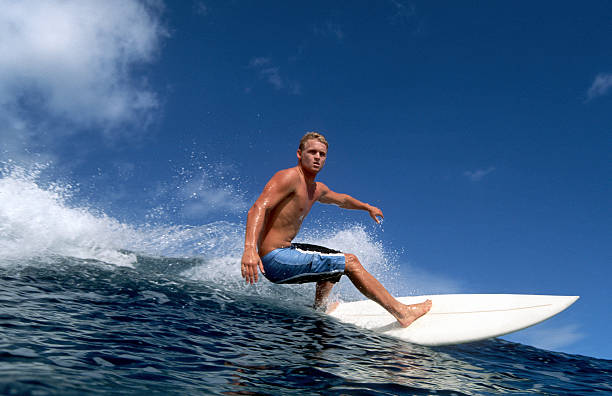
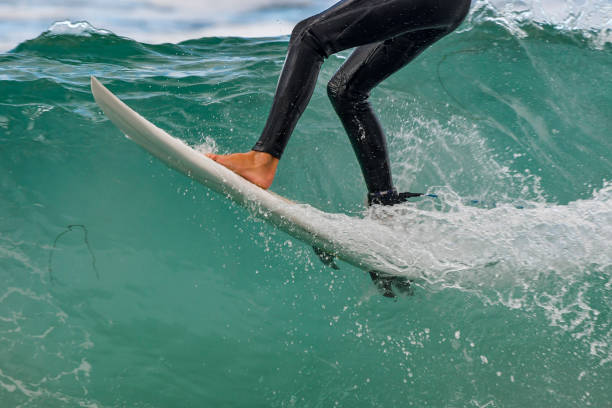
It’s all about your stance on the board. A “regular foot” surfer rides with their left foot forward, right foot back. A “goofy foot” does the opposite: right foot forward, left foot back. There’s no right or wrong; it’s just how you’re naturally wired, like being right or left-handed. You’ll often hear someone ask, “You regular or goofy?“ before sharing waves. It determines how you’ll approach maneuvers on the face.

Duck diving is the technique used to push your board underwater beneath an oncoming whitewater wave, so you can get out back without getting pummeled. You shove the nose down, push the tail under with your knee or foot, and let the wave pass over you. It’s essential for shortboarders to efficiently get through the impact zone. Mastering it saves energy and gets you to the lineup faster, ready to catch set waves.

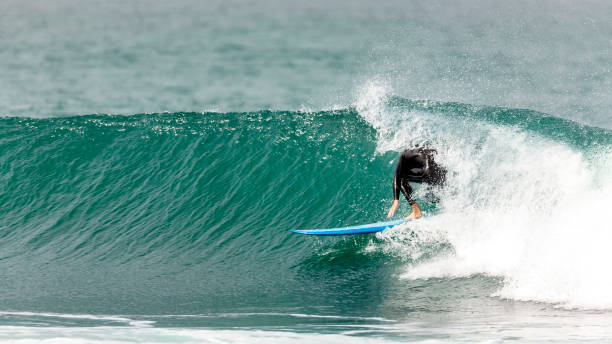
A perfect wave is often called “glassy” — when the ocean surface is smooth as glass without wind chop. Ideal waves are also “hollow” or “tubular,“ offering a barrel. They “peel” or “wall up” evenly along the reef or sandbank, allowing for a long, critical ride. Spots that consistently offer these conditions are “world-class” or “epic.“ Think of iconic, mechanical waves like Pipeline or J-Bay; they’re the textbook definition of perfection.

Surf Lingo & Slang

A “kook” is a beginner or someone who surfs without proper etiquette or awareness, often in a dangerous or annoying way. They might drop in on others, mishandle their board, or wear their leash on the wrong ankle. We’ve all been kooks at some point—it’s part of the learning curve. The key is to be humble, observe, and learn the rules of the lineup. Shedding the kook label is a rite of passage.

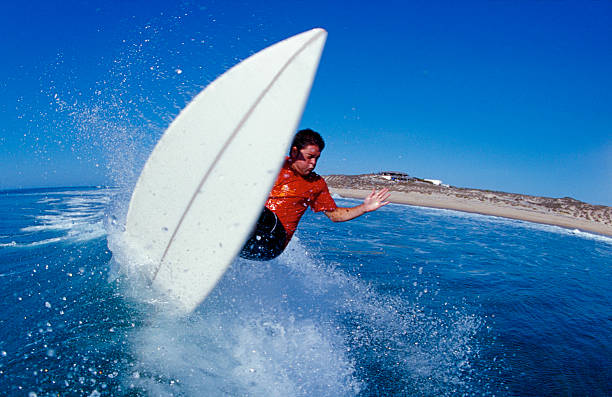
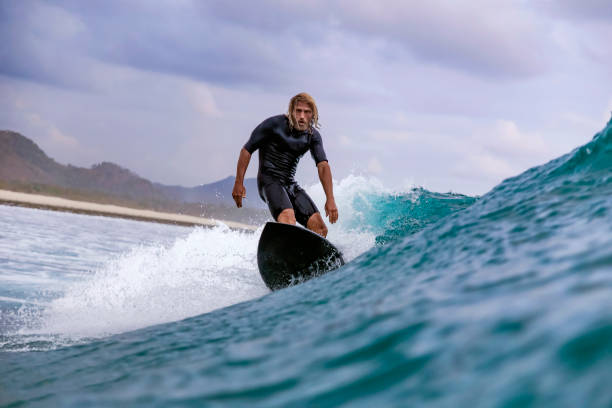
To “shred” or “rip” is to surf with a high level of skill, power, and aggression. It means attacking the wave with radical maneuvers—big carves, sharp snaps, and critical turns in the pocket. When someone is “ripping,“ they’re in complete control and maximizing the wave’s potential. It’s the opposite of just cruising; it’s about performance and style. You’ll hear, “Did you see her out there? She was absolutely shredding!“

Your quiver is your collection of surfboards. No single board works for all conditions, so you need different sticks for different days. A typical quiver might include a high-performance shortboard for good waves, a fish for small, mushy days, and a longboard for when it’s tiny or you want to noseride. Building your quiver is a lifelong obsession, constantly tweaked based on where you surf and how you ride. It’s a surfer’s toolbox.