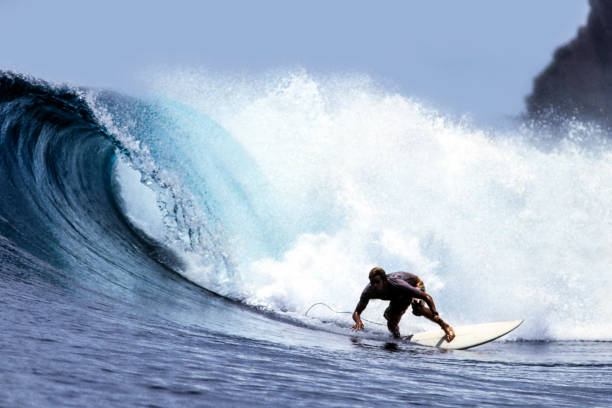
Let’s be real. The dream is simple: a fresh passport stamp, a board bag dragging behind you, and the promise of a new, empty lineup peeling under a foreign sun. We’re all chasing that feeling, the one Bruce Brown etched into our souls with The Endless Summer. Surf travel is the ultimate pilgrimage. But here’s the thing, as more of us paddle out in search of that perfect wave, the weight of our presence gets heavier. Responsible surf tourism isn’t about being a buzzkill; it’s about ensuring the stoke lasts—for us, for the locals, and for the next crew rolling into town.
It starts before you even book the flight. Do your homework, not just on swell charts and wind directions, but on the place itself. This isn’t just a wave factory; it’s someone’s home. Understand the local vibe. Is it a tight-knit fishing village? A bustling tourist hub? A quick search can clue you into the cultural norms. A little respect goes a long way. Pack that respect in your board bag alongside your wax and leggie.
When you touch down, your first stop shouldn’t be the point. Park the rental, ditch the agenda, and just observe. Watch the lineup. How does it work here? Is there a pecking order? Who’s getting the set waves? This isn’t your local break where you know every face and their pecking order. This is their backyard. Don’t be that kook who paddles straight to the peak and starts dropping in. Earn your turns. A friendly nod, a bit of patience, and humility at the take-off zone speak louder than any shredding you might do. Remember, you’re a guest in their ocean.
On land, your impact is just as crucial. That crystal-clear water and pristine beach? They stay that way because someone cares. Support the people who care. Skip the big, all-inclusive resort that pipes its waste out to sea. Instead, bunk at the family-run losmen, eat at the local warung, and hire the local guide who knows the secret tides. Your cash directly fuels the community that protects the very paradise you came for. Buy your Bintangs from the corner store, get your board fixed by the ding repair wizard under the palm trees. This is the real economy of surf travel.
And for the love of all things hollow, tread lightly on the environment. That means no plastic bottles. Get a reusable jug. It means packing out what you pack in—your snack wrappers, your broken leash, your used wax. See trash on the beach or in the car park? Pick it up. It’s not a heroic act; it’s basic housekeeping for planet Earth. Respect the marine life, the reefs, the dunes. We’re just visitors in this ecosystem.
Finally, carry the stoke, not just the stories. Share your epic sessions, sure, but share the right ones. Glorify the respectful drop-in, the shared wave, the local who showed you kindness. In the age of geo-tagging and instant spot reveals, think twice. Blasting a secret spot’s location to your 10k followers might score you likes, but it can also bring a tidal wave of traffic that a fragile community can’t handle. Be a steward, not a spoiler.
The true essence of the endless summer isn’t about conquering every wave on the map. It’s about the connection—to the ocean, to new cultures, and to fellow surfers. It’s about leaving a place better than you found it, or at the very least, not worse. So go ahead, chase the swell. But do it with your eyes open, your heart in the right place, and a deep respect for the rhythm of the places you visit. That’s how we keep the dream alive for every surfer yet to paddle out. Now go get some, and do it right.