There is a certain magic that settles over Los Cerritos just before the tide swings. The wind hasn’t yet clocked around from the north, the water is still and glassy, and the long, peeling right-hander starts to push through the outer reef like a slow exhale. This is the moment every traveling surfer dreams about, the kind of endless summer moment that makes you forget all about the crowds at Cabo and the hustle of the tourist traps down the highway. Los Cerritos is not a secret anymore, but it still holds a special kind of stoke that is hard to find anywhere else in Baja. It is a wave that teaches you patience, humility, and the pure joy of a long, drawn-out ride.
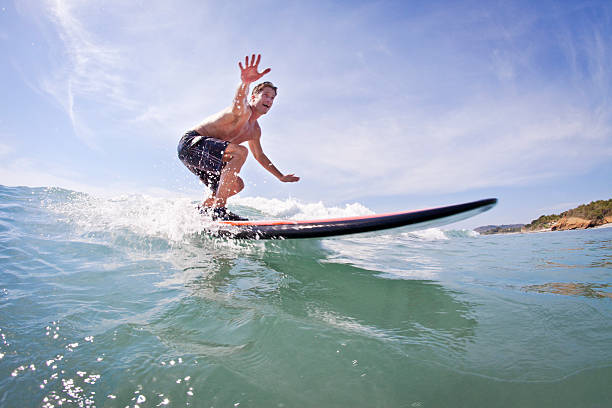
Here is the thing about Los Cerritos. It is not a slab. It is not a barrel. It is not going to give you the cover shot for a surf magazine. What it gives you is something far more valuable: time. The wave peels for what feels like a quarter mile over a sandy bottom, with enough push to keep you moving but never so much that you feel rushed. It is a classic longboard wave, a logger’s dream, but a shortboard with a little extra foam will work just fine. The secret to truly enjoying Los Cerritos is to leave your ego in the back of the van. If you paddle out looking for a heavy drop or a tube ride, you are going to miss the point entirely. The point is the glide.
The approach to Los Cerritos is part of the experience. You pull off the main highway onto a dirt road that winds through a sparse landscape of cardón cactus and dusty scrub. The air smells of salt and dry earth. You can hear the wave before you see it, a low rumble that builds as you crest the last sandy dune. The beach is wide and brown, and the water is a deep, inviting turquoise. There is no real structure here, just a few palapa restaurants and a handful of rustic rentals. You park your rig, wax your board, and walk straight into the water. No crowds, no hassles, just you, your board, and the line of the horizon.
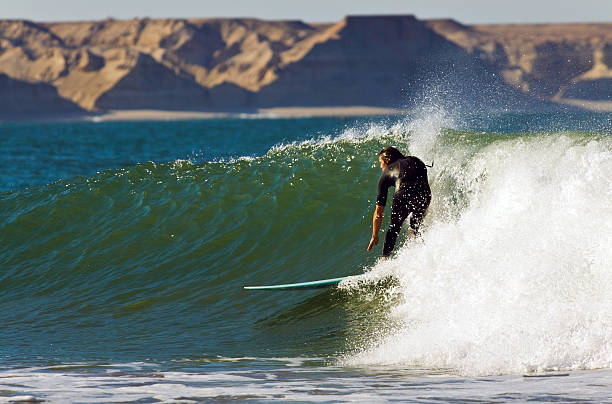
The wave itself breaks over a series of sandbars that shift with the seasons and the swell direction. This is the part that keeps you coming back. One week the takeoff zone is right in front of the main palapa. The next week it has moved a hundred yards south. You have to read the water, watch where the other guys are sitting, and adjust your lineup constantly. It is a puzzle that changes every day. The best time to surf Los Cerritos is in the afternoon when the northwest wind fills in. The wind bumps the surface up a little, but it also grooms the wave face and keeps it from closing out. The morning glass-off is beautiful, but the waves are often fat and slow. The afternoon wind gives the wave just enough texture to make it fun.
The crew at Los Cerritos is a mellow mix of locals, traveling longboarders, and a few grizzled veterans who have been coming here for twenty years. Nobody drops in on anybody. Nobody hassles the tourists. There is an unspoken code of respect that rides the same wind as the swell. If you sit too deep, someone will give you a little smile and a wave, and you will know to move up the point. If you snake a wave, you will get a look that says more than words ever could. This is not a wave for aggression. This is a wave for sharing.
The real stoke of Los Cerritos, though, is the sunsets. You paddle in as the light goes golden and the sky turns to shades of peach and lavender. The wind dies down and the ocean goes flat again. You sit on the sand with your board next to you, a cold beer in your hand, and you watch the last of the surfers take their final waves of the day. It is a quiet, sacred moment. It is the kind of moment that makes you grateful for the road trips, the flat tires, the bad food, the sleepless nights in the back of a truck. This is why we chase the swell. This is why we leave everything behind.
Los Cerritos is not the most famous wave in Baja. It is not the heaviest or the most challenging. But it is the wave that teaches you to slow down, to appreciate the ride, and to find joy in the simple act of moving across the water. It is a wave that asks nothing of you except that you be present. And for that, it will always be legendary.