Out here, the wristwatch is just a suggestion. You ditch it in the glovebox along with your phone’s silly alarms, because the real schedule is written in water that pushes and pulls against the sand. Living the beach life means tuning your internal dial to the tide clock, that ancient rhythm that has been running the show long before any of us pulled on a wetsuit. You don’t check the hour to know when to grab your board; you check the feel of the breeze, the slant of the morning sun, and the telltale hiss of the shorebreak. That is the only time that matters.
When you first start chasing the endless summer, you try to force the ocean to fit your plans. You paddle out at high noon because that is when you have a break from work, only to find the waves fat and sleepy, closing out like a bad joke. The ocean laughs at your logic. So you learn. You learn that the best glassy sessions happen on the push of an incoming tide, when the water lifts up off the reef and gives the swell a clean little push. You learn that a dropping tide can turn your favorite sandbar into a dredging, sucky slab that pitches you into the sandbank if you are not paying attention. And you learn that the low tide is a whole other world—tide pools full of hermit crabs, starfish clinging to rock, and that salty smell of exposed kelp that reminds you just how alive everything is.
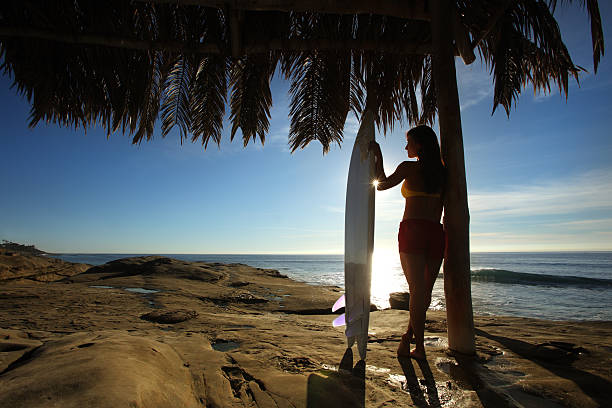
The true beach dweller wakes before the alarm clock even thinks about buzzing. That is dawn patrol, the sacred ritual of coffee in a thermos, a quick check of the surf report through squinted eyes, and a barefoot walk down a cool, damp track to the water. There is nothing like that first paddle out in the gray-blue pre-light, when the sea is a mirror of the sky and the only sound is your own breathing with the splash of your hands. You sit on your board, bobbing gently, watching the horizon turn coral and gold. That is when the tide clock feels less like a schedule and more like a heartbeat. The sets roll through, and you take your pick, alone or with a handful of other souls who get it. Then you ride until your arms feel like spaghetti, and when you paddle in, the beach is just waking up—dogs running, kids building sandcastles, early joggers. You feel like you have already lived a whole secret life before breakfast.
But the tide clock is not just about waves. It shapes everything about the beach lifestyle. When the tide is high and pushing against the dunes, the beach narrows to a sliver, and the water reaches up to tickle the pilings of the beach shacks. That is the time for a lazy body surf, a boogie board session with the kids, or just sitting in the shallow, swirling soup with a cold one. When the tide retreats, it exposes miles of hard-packed sand that feels like a marble floor under your feet. That is the time for walking, for finding sand dollars, for running with your dog until you both collapse in a heap. You plan your lunch to match the tide, your beach volleyball game to follow the exposed sand, even your romantic sunset stroll to align with that golden hour when the water is retreating and the sky catches fire.
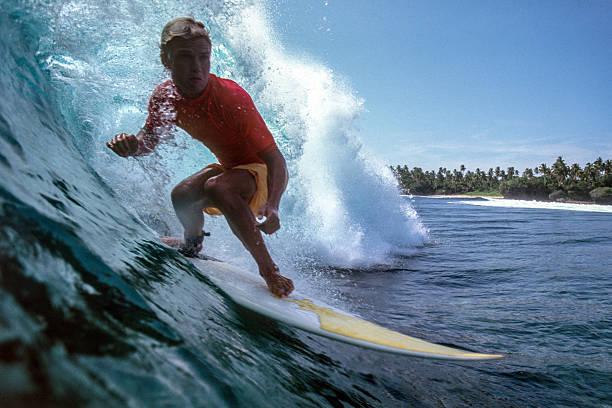
Living by the ocean’s clock also teaches you patience, a thing no digital device can give you. When the ocean is flat and clean, you do not rage or scroll for a better condition. You accept it. You know that the swell is coming tomorrow, that the wind will shift after the afternoon heat, that the full moon will bring a push of water that might just make everything magical. This is the surrender that the beach life demands. You let go of control, and in return you get moments of pure bliss—a glassy left that hollows out just for you, a dolphin pod surfing the same wave you are, a sunset so bright you have to squint just to watch it melt into the horizon. That all happens on tide time, not your time.
And there is a community woven into this rhythm. You see the same faces on the dawn patrol, the regulars who nod at you from their boards. You know who is a high-tide surfer and who only goes out at the low. You help a tourist who got caught in a rip, not because you have to, but because that is what the beach life is about—everyone is riding the same tide, just in different spots. Nobody owns the ocean; we all just get to borrow it for a little while.
So forget the clock on your wall, or at least relegate it to oven timers and flight check-ins. Let the tide be your guide. When you wake up, ask not “What time is it?” but “Is it pushing or pulling?” When the water is rising, grab a board. When it is falling, grab a towel and a good book. And always, always keep a spare set of fins in the car, because you never know when the tide clock will offer up a window of perfection that you simply have to answer. That is the whole deal. The ocean runs the show, and you are just a happy, salty passenger along for the ride.