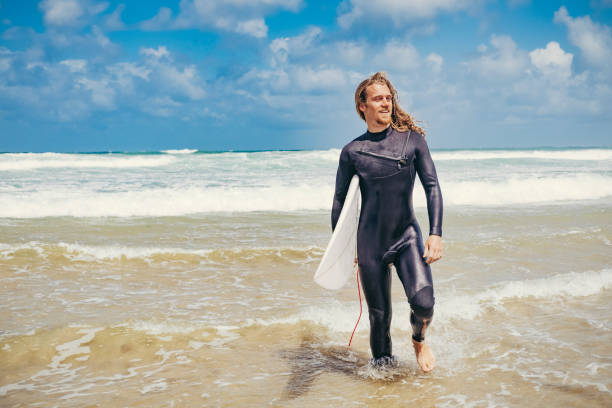
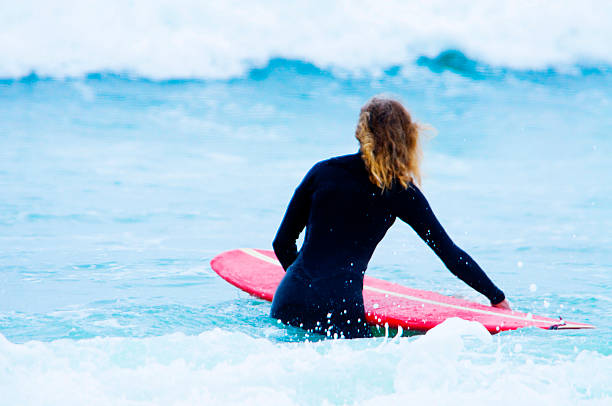
The alarm clock screams at 4:30 in the pitch of a Central American night. That sound cuts through the hum of the ceiling fan and the distant croak of tree frogs still shaking off the dew. For a second, your body begs for another hour in the sheets. But your brain already knows what’s waiting out there: a pulse of Pacific swell wrapping around a river-mouth sandbar, offshore winds grooming the faces into crystalline walls, and the promise of a tube that sucks you in and spits you out into a world of pure stoke. In Costa Rica, those tropical tubes are not a myth. They are a daily possibility, but you have to earn them. And the coin used to pay for that ride is the dawn patrol.
The magic of the tropical tube hunt begins long before you hit the water. There is a ritual to it, a kind of meditation that every surfer knows by heart. You roll out of bed, pull on your wettie if the water feels a little cool from the overnight rain, grab the board that matters most, and head for the dirt road. The sky is still black, but the stars are bright enough to light the way. The air smells like jungle rot and salt, a mix that means you are close to the coast. The predawn chorus of howler monkeys starts up, a deep guttural roar that sounds like the earth itself is waking. That sound is the green light. You know the swell has arrived.
Costa Rica’s Pacific coast is a gauntlet of fickle sandbars, rivermouths, and reef passes that can turn a flat morning into a dream session in the span of one set. The key is the local knowledge you pick up from spending time in the lineup, or from listening to the old heads who have been paddling these waves since before the road was paved. They will tell you that the best tubes happen on a dropping tide, when the water is pulling out and the sandbar stands up like a ramp. They will tell you to watch for the rip current that cuts along the point, because that rip is your ticket out the back without burning your shoulders. And they will tell you that the wave is not always perfect, but when it lines up, it feels like the ocean opened a door just for you.
The first wave of the morning is always sacred. You paddle out into the grey light, alone or with a handful of other dedicated souls who understand the trade-off. The water is glassy, the surface reflecting the faint orange glow of the sun still hiding behind the mountains. And then you see it: a lump on the horizon, dark and moving fast. You turn, paddle hard, and feel the board lift. The drop is steep, the face a wall of water that stands up so vertical you can nearly touch the peak. You crouch low, look up the line, and the wave starts to pitch. The lip throws out over your head, and suddenly the world goes quiet. You are in the barrel.
The sound inside a Costa Rican tube is a specific thing. It is not loud like a beach break closeout. It is a hiss, a roar from above and below, mixed with the soft thrum of the water rushing past your ears. Time slows down. You see the light at the end of the tunnel, a circle of blue and gold that dances with the spray. You make a small adjustment, drop your back hand, and the wave hurls you out the exit. You land in the foam, heart pounding, a smile splitting your face. That feeling is why we do it. That feeling is the endless summer made tangible.
But the tropical tube lifestyle is not just about the reward. It is about the waiting, the patience, the respect for the ocean. In Costa Rica, the lineup is a community. You share the sets, you laugh at the closeouts, you nod to the local grom who just threaded a barrel on a foamie. There is a code here, unwritten but deeply understood. You don’t snake, you don’t drop in, and you always thank the wave for the ride. The after-session is just as important as the morning session. You paddle in, rinse off the salt, and sit at a little soda selling gallo pinto and fresh eggs. The coffee is strong, the conversation is loose, and the talk always circles back to the wave that just gave you a second of pure magic. You watch the next crew walking down the beach, boards tucked under their arms, and you know they are hoping for that same window.
Costa Rica’s tropical tubes are not always easy to find. The swell direction has to be right, the wind has to be offshore from the land breeze, and the tide has to cooperate. Sometimes you paddle out and nothing comes. Sometimes you sit for an hour watching the horizon, only to catch one wave and have it close out on your head. But that is part of the deal. The chase is the point. The hunt for the perfect barrel is what keeps the stoke alive. When you finally slide into a crystal green tube that spits you out into the morning sun, you know that every early alarm, every sore muscle, every empty session was worth it. That is the tropical tube life in Costa Rica. It is a way of being, a rhythm that syncs your soul with the swell. It is the line between just another day and a day you will remember forever.