The salt hits different off the coast of Clare. It’s got this cold, clean bite that wakes up every nerve in your body before you even paddle out. That’s the Wild Atlantic Way for you—a stretch of coastline that doesn’t just offer waves, it makes you work for them. We’re talking slate-gray skies, wind that howls like a banshee, and water temps that’ll make a California surfer think twice. But for those of us who chase the stoke beyond the tropics, Ireland’s west coast is the real deal. It’s not about warm water and perfect glassy barrels every morning. It’s about earning every single ride, and honestly, that’s what makes it so damn memorable.
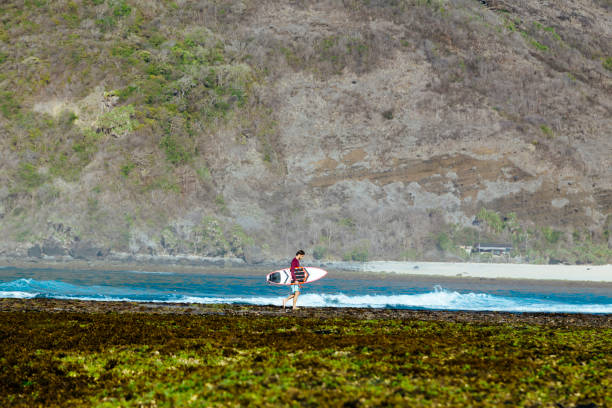
I remember my first dawn patrol at Lahinch. The village was still asleep, just the sound of gulls and the distant rumble of the Atlantic. I suited up in a hooded 5/4, booties, gloves—the whole winter armor—and walked down the beach like a spaceman heading into the deep. The locals paddled out with a quiet nod, no kook vibe, no alpha contests. That’s the thing about Irish surfing. It’s stripped of the shiny commercial gloss you find in other spots. This is surfing for the love of the ocean, not for Instagram shots. The lineup is a brotherhood of cold-water warriors, sharing waves and trading stories about the one that got away.
The real magic, though, happens when the big swells roll in from the North Atlantic. Places like Mullaghmore start to wake up. That reef break is a heavy slab, not for the faint of heart. But even if you’re not ready to paddle into a twenty-foot wave with a mountain behind you, you can sit at the cliffs and watch the tow crews drop in. It’s a humbling spectacle. The raw power of the ocean, the way the water rears up and throws down with a thunderclap—you feel it in your chest. That’s the Wild Atlantic proving it’s got a soul as fierce as the people who live here.
And let’s talk about the sun-chasing aspect, because The Endless Summer vibes are strong even in the cold. The summer months can deliver fun, playful waves at spots like Easkey or Bundoran. But the true surf season is autumn through late spring. You’ll chase swell charts, check the buoys, and drive down those narrow, hedgerow-lined roads in a camper van that smells like wetsuits and diesel. The villages welcome you with warm pubs, live trad music, and a pint of stout that tastes like liquid courage after a day in the freezing soup.
What really sets Ireland apart is the connection between the surf and the land. You’ll paddle out at a beach backed by ancient dunes or a castle ruin, and the horizon is filled with nothing but ocean between you and Newfoundland. There’s a sense of wandering, of being at the edge of the known world. Every session feels like a small adventure—you might find a perfect left peeling along a headland, or you might just get washed around in a closeout, laughing with your mates anyway. The unpredictability is part of the charm.
The community is the heartbeat of it all. Surf schools run by passionate locals, tiny surf shops stacked with neoprene and wax, cafés where the chat is all about wind direction and tide times. You’ll meet folks who’ve surfed here for decades, and they’ll tell you how it used to be, the secret spots, the big days. They don’t guard the breaks with hostility; they just want you to respect the place. And you do, because the ocean here gives you such a raw, honest experience that you’d never want to disrespect it.
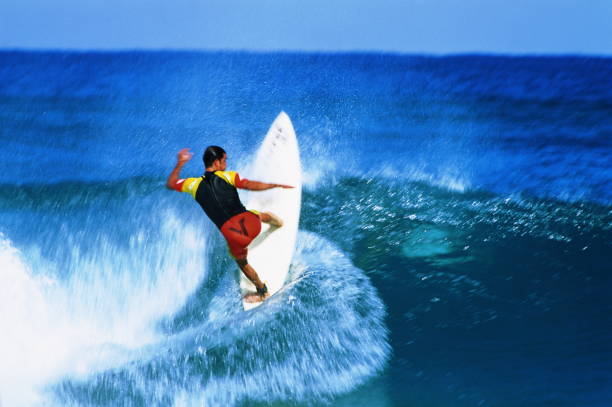
When you finally catch a wave that lines up perfectly—maybe at a spot called The Peak, or a hidden cove near Dingle—you feel like you’ve tapped into something ancient. The slate-blue face lifts you up, and for a few seconds, you’re riding a piece of the Atlantic that’s been rolling for thousands of miles. It’s a soul cleanser. It’s the reason you pack the board bag and brave the Irish weather.
So whether you’re a seasoned charger or a weekend warrior, put the Wild Atlantic Waves on your list. Come for the waves, stay for the craic. Just remember to bring a good hood, a thicker wetsuit, and an open heart. The ocean here won’t give you anything easy, but what it does give you—it gives you for life. I’ll see you in the water, shivering and grinning, chasing another set from the Emerald Isle.