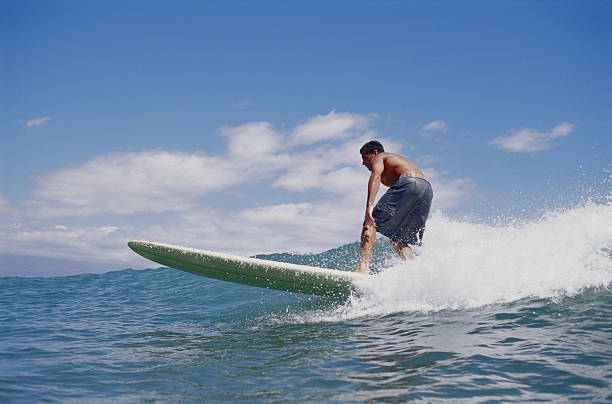
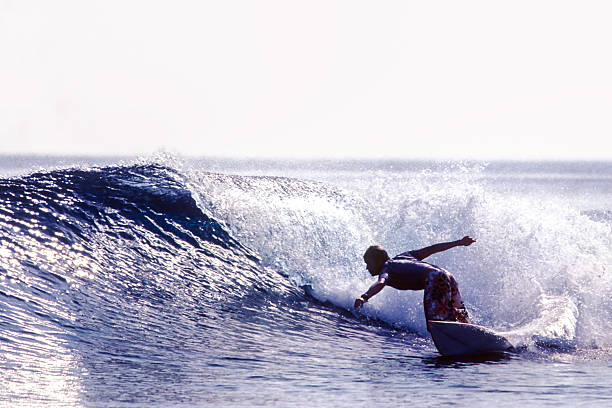
You paddle out on a glassy morning, the offshore breeze combing the surface into corduroy lines, and for a moment everything is perfect. The water is clean, the horizon is clear, and the board under your chest feels like an extension of your own body. But if you’re like a growing crew of shapers and surfers out here, you’ve started to wonder about what that board is actually made of. The traditional polyurethane foam blank that’s been the backbone of surfing for decades comes with a heavy carbon footprint and a lot of toxic dust in the shaping room. That’s where the new wave is breaking, and it’s not just another fin setup or a retro single fin revival. It’s algae foam.
Yeah, you heard that right. Algae. The same stuff that can ruin a summer swell by turning the lineup into pea soup is now being harvested, dried, and turned into the core of high-performance surfboards. A few forward-thinking shapers out of California and the North Shore have started experimenting with bio-based foam blanks that replace a significant portion of the petroleum-based polyol with algae oil. The technology has been bubbling under for a few years, but 2024 has seen it hit the mainstream in a big way, with major blank manufacturers like Marko Foam and Laminates offering algae-infused blanks to custom shapers and even a few production labels.
Here’s the stoke on how it works. Algae is grown in controlled environments, often in saltwater ponds or closed-loop bioreactors, where it sucks up carbon dioxide like a sponge and produces natural oils. Those oils are then processed into a polyol that can be blended with traditional materials to create a foam blank that performs almost identically to standard polyurethane. The difference is that this blank locks away carbon instead of releasing it. Some estimates say each algae-blank board sequesters about three pounds of CO2. That might not sound like a huge number, but when you multiply it by the thousands of boards being shaped every year, it adds up to a real shift in the direction of cleaner surf craft.
Now, the skeptics are always gonna paddle back on a new material until they’ve surfed it themselves. The big question is always about performance. Does it float right? Does it flex like the old stuff? Does it ding as easy? The feedback coming in from the lineup is surprisingly positive. Shapers who have worked with algae blanks say the foam density is consistent, the weight feels true, and the boards hold up to the same glassing schedules. Some guys even claim the foam has a slightly livelier feel under foot, a little more spring off the bottom turn, though that might be the placebo effect of feeling good about doing something for the ocean you surf. Either way, the boards are selling, and the word of mouth is spreading faster than a rip current at a crowded point break.
What really matters in the long run is the culture shift. Surfing has always been a weird mix of stoke and pollution. We chase the cleanest waves on the planet while riding petrochemical slabs that shed microplastics and resin dust into the same water. Algae foam isn’t the final answer, but it’s a solid first step toward a more regenerative approach to making the tools of the trade. A growing number of surfers are starting to ask their shapers for algae blanks, and the request is no longer met with a confused look. It’s becoming a normal option, like choosing a thruster over a quad or a glass-on fin over a box.
The best part is that this trend isn’t just for the hardcore eco warriors. It’s for anyone who loves the feeling of a fresh board under their arm and the smell of resin in the shaping bay. Algae foam boards ride just as good, they last just as long, and they give you a little extra stoke knowing you’re not trashing the ocean while you’re out there trying to get barreled. For the traveling surfer, the weekend warrior, or the frother chasing a new wave pool record, this is a trend that actually makes sense. It’s the ocean giving back, one blank at a time. So next time you’re ordering a custom stick, ask your shaper about algae. You might just catch the green wave before it becomes the only wave in the water.