All Articles

Live Surf Cams

Surfline Live is a 24/7 glimpse into the world’s surf.

This stream moves through Surfline’s global camera network, showing spots where it’s daylight and rated Fair or better.

What’s The Deal With…?

Surf Lingo & Slang

Wind is a massive factor. Offshore winds (blowing from land out to sea) hold the wave face up, make it smoother, and can help hollow it out. It’s the gold standard. Onshore winds (sea to land) push against the wave face, making it crumbly, bumpy, and weak—often called “victory at sea” conditions. A light offshore at dawn is pure magic. Understanding the wind forecast is key to knowing whether to bring your high-performance shortboard or your beater for a sloppy session.

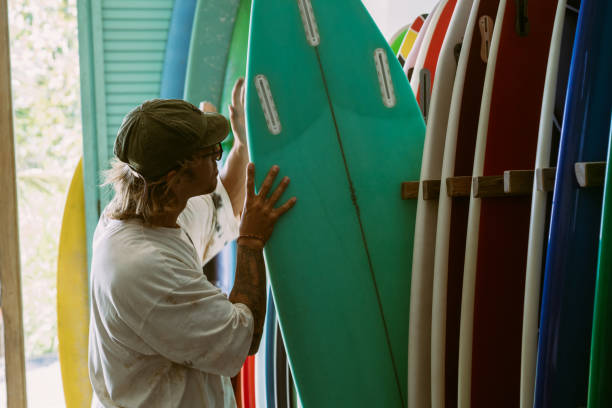
The classic PU/polyester combo gives that classic, lively flex surfers love. EPS/epoxy is lighter, stronger, and more buoyant, great for small waves or travel. Then you’ve got high-tech stuff like carbon fiber wraps for insane stiffness and speed. Each material changes the feel. PU is like a vintage muscle car, epoxy is a nimble sports car. It’s about matching the build to your vibe and the waves you chase.

After the Hawaiian revival, surf hit California, but they lacked the perfect Hawaiian woods. So, early 20th-century shapers used what they had: redwood. These planks were crazy heavy—like 100+ pounds, bro! They were often just milled lumber, shaped a bit, and sealed with varnish. Riding one was a workout just to get it to the water. This clunky era was a crucial bridge between ancient craft and the lighter materials that would soon revolutionize everything.

Surf News & Updates

Dropping into an unfamiliar lineup is the ultimate adventure. It’s about reading the reef or beach break, sussing the locals’ vibe, and deciphering the swell direction. That feeling of discovering a secret peak or finally connecting a section on a wave you’ve studied all morning is unbeatable. It pushes your skills, humbles you, and expands your surf stoke. Every new spot adds a chapter to your personal surf story.

They’re charging with a mix of raw courage and smart preparation. They use jet ski assists to get more waves in a session, study footage of the break relentlessly, and train specifically for breath-holding and impact. There’s huge respect for the legends who paved the way, but they’re adding their own high-speed, critical approach. They’re not just surviving massive drops; they’re looking for turns and barrels in the belly of the beast. It’s a new era of calculated, powerful big-wave surfing.

Totally, but the basics are the same: rinse it, keep it out of the sun, and don’t leave it in a hot car. The big difference is that epoxy boards can handle a bit more abuse, but UV is still the enemy for any resin. PU boards need more TLC—those pressure dings add up and waterlogging is a real risk if the glass gets cracked. Give any board a fresh water rinse, keep it bagged when not in use, and fix dings pronto. A little love goes a long way.