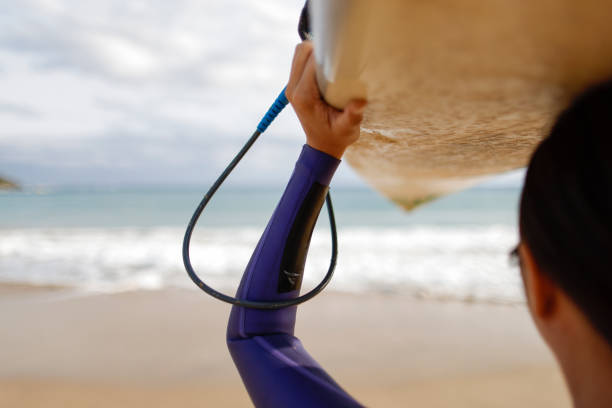
When you’re chasing the sun, from the point breaks of Indonesia to the beachies back home, your gear matters. And right up there with your stick and wax is what you’re wearing on your lower half. We’re talking boardshorts, the essential uniform for any surfer worth their salt. This isn’t about fashion for the promenade; this is about function in the impact zone. Let’s break down what makes a proper pair of baggies and which brands have earned their stripes in the lineup.
First off, forget everything you know about swim trunks. Real boardshorts are a different beast. They’re built to survive the abuse—the drag of whitewater, the scrape of wax on your deck, the sudden drop into a late takeoff. The key is in the details. You want a secure, no-fail closure system, usually a solid velcro fly with a solid button or lace. The last thing you need is a wardrobe malfunction when you’re getting pitted. Then there’s the length. The classic rule is just above the knee, giving you full range of motion for popping up and carving without the material getting in the way or, worse, riding up.
But the magic is in the fabric. Modern performance shorts are usually made from a quick-drying, lightweight polyester blend. This stuff sheds water like a duck’s back, so you’re not sitting in the car park soaked to the bone after a session. It’s also tough as nails, resisting fading from the relentless sun and chlorine from those post-surf pool sessions. The inside liner is a personal call. Some swear by the mesh for a bit of support, while the purists go linerless for that ultimate free-feeling, no-chafe glide. It’s all about what lets you focus on the wave, not your waistline.
Now, onto the brands that have shaped the game. Quiksilver is the O.G., the grandfather of them all. Born from the need for shorts that wouldn’t self-destruct in the Bells Beach brine, they practically wrote the rulebook. Their iconic logo is a stamp of surfing heritage. Right there with them is Billabong, another Aussie powerhouse that turned performance boardshorts into a global standard. When you see that wave logo, you know it’s built by surfers, for surfers.
But the landscape has evolved. Hurley brought a fresh, innovative energy, pushing fabric tech with their Phantom line, making shorts that feel like a second skin and dry in a blink. Then you’ve got brands like Vissla, which emerged from a pure love of surf culture, offering high-performance gear without the corporate vibe. Their “Made For Surfers” motto isn’t just a tagline; it’s in the stitch work.
For the core crew, there are legends like O’Neill, whose legacy from the wetsuit pioneer extends to tough, reliable baggies. And you can’t talk surf heritage without mentioning Rip Curl, the search brand for those truly chasing endless summers, making gear that travels from desert point to icy reef.
Choosing your pair is like choosing your board. It’s personal. Are you a traditionalist who wants the classic feel and bold patterns? Or are you after the latest tech for maximum performance? Either way, the goal is the same: to forget you’re wearing them. Your shorts should be an extension of you in the water, allowing you to paddle, pump, and punt without a second thought. So next time you’re gearing up, don’t just grab any shorts. Grab a pair that’s built for the beach, built for the barrel, and built to last. Because the right baggies aren’t just clothing; they’re a piece of your equipment, ready for whatever the ocean throws at you.