There’s a moment every surfer knows, when you pull into a new beach town, salt already crusting on your lips from the drive with the windows down, and you get that first look at the ocean. It doesn’t matter if you’re staring into the deep blue horizon of the Pacific or the churning, green soup of the Atlantic. The stoke is the same. But the way the waves break, the rubber you need on your feet, and the unspoken code of the lineup shift dramatically depending on which side of this big, beautiful country you’re trying to get wet.
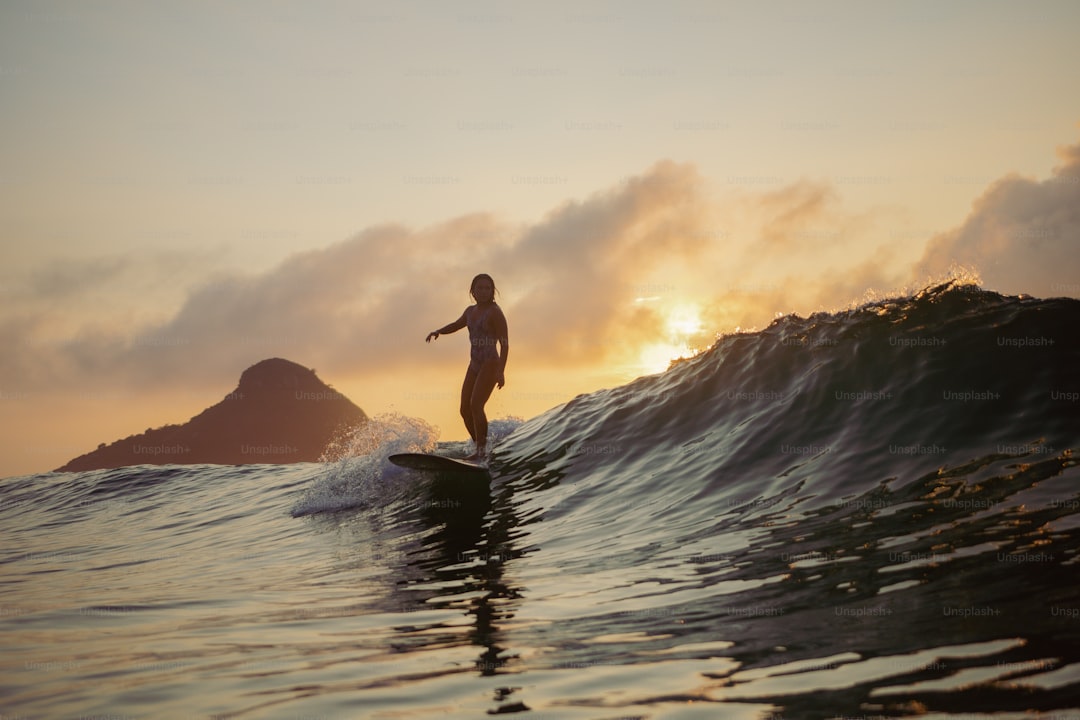
The West Coast is the legend. It’s the endless summer dream, the home of the point break and the long, wrapping wall. Think Lowers, think Malibu, think Rincon. Out here, the swell is consistent. You can pretty much set your watch to it, especially during the winter months when the North Pacific pumps a steady diet of groundswells right into California’s lap. The vibe is sun-baked and sleek. You’ve got your shortboards, your thrusters, your modern performance shapes that are built to punt a spray or carve a tight arc down the face. The lineup can be a scene. There’s a competitive edge, a kind of hungry energy that comes from sharing a world-class wave with two dozen other souls who all saw the same buoy reading at dawn patrol. It’s crowded, sure, but the quality is undeniable. You paddle out, you wait your turn, and when that set comes through, you’re taking a drop off a wave that has traveled three thousand miles to find you. That’s a special kind of connection.
Then you’ve got the East Coast. This is the gritty, scrappy underdog, the place where you earn every single barrel. The Atlantic is a different beast. It’s fickle. It’s moody. It can be flat for a week straight, and then a hurricane spins up off the coast of Bermuda and suddenly you’re free-dropping into eight-foot, wind-whipped close-outs that look more like a washing machine than a wave. The gear is different. You’re wearing a 4/3 wetsuit for seven months out of the year, booties are non-negotiable when the water temp dips into the forties, and your quiver is built for versatility. You need a groveler for the knee-high slop, a step-up for the rare hurricane swell, and a fat fish for those weak, crumbling shoulders of summer. The culture is a little more reserved, a little more excited. When the forecast lights up in New Jersey or the Outer Banks, a unique electric buzz goes through the whole community. Guys call in sick to work. That’s the real vibe.
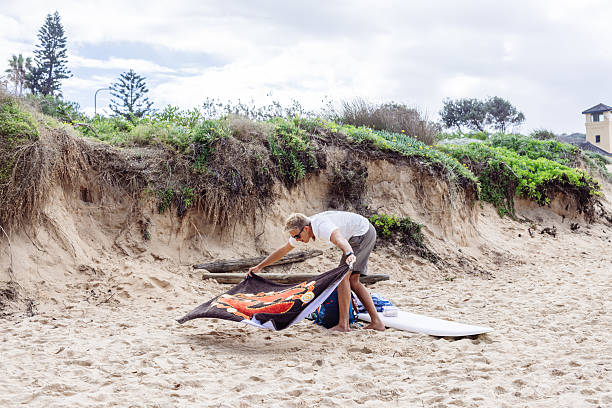
The biggest difference might be in the angle of attack. On the West Coast, you’re often paddling for a peak that juts out from a point of land, giving you that long, right-hand ride that feels like it never ends. On the East Coast, you’re mostly surfing beach breaks. The sandbars shift every day, sometimes every tide. The wave you took off on yesterday is gone today, replaced by a steep, dredging dredge that wants to pitch you over the falls. It requires a different kind of reading of the ocean. You have to be more patient, more observant. You watch the horizon not just for the next set, but for the darker patch of water that tells you a deeper channel has opened up.
But here’s the beautiful truth. Whether you’re paddling out at Steamer Lane in Santa Cruz before the fog burns off, or you’re dropping into a wind-slapped left at the Point in Cape Hatteras as the sun blazes through the humidity, you are chasing the same thing. The endless summer isn’t a place. It’s a feeling. It’s that moment when your rail locks in, the water roars, and you completely forget where you are. The coast, whether it’s east or west, is just the runway. The surfing lifestyle is the flight itself. You take the barrels with the flat spells, the long rides with the paddle-out battles, and you realize that the stoke travels with you. It doesn’t matter if your board is a step-up or a fat fish. What matters is that you showed up. So wax up, check the charts, and go find your wave. The ocean is waiting.