There is a wave that lives rent-free in the soul of every surfer who has ever chased a swell. It isn’t the heaviest slab or the most barreling freight train, but it holds a magic that has outlasted every trend, every board design, and every generation that has paddled out beneath the dusty Santa Monica Mountains. That wave is Malibu’s First Point, the crown jewel of the classic point break. To surf it is to tap into the very bloodstream of our culture, a liquid corridor that has been carrying dreamers and rippers alike since before the longboard renaissance ever found its name. When the west-northwest groundswell wraps around the Malibu pier and lines up on the cobblestone reef, the lineup transforms into a living history lesson, and every glide down the line feels like a shared secret with the ghosts of legends past.
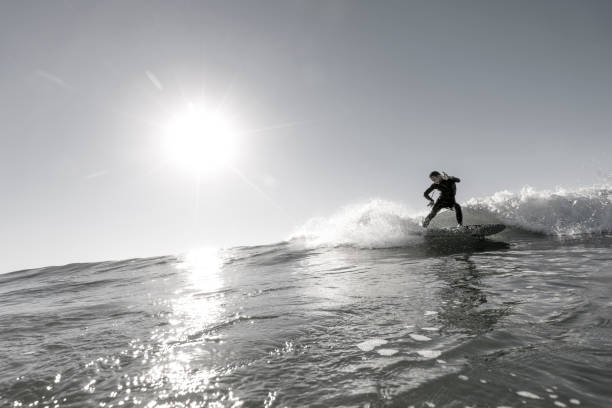
The magic of First Point is all about the peel. Unlike the freight-train walls of a beach break or the claustrophobic caverns of a reef pass, Malibu offers a steep, fast, but endlessly raceable right-hander that seems to bend time itself. Paddle out on a clean three-to-five foot day, and you will feel it: that gentle but insistent push as the wave lifts you, then the sudden release as the bottom drops away. Your first bottom turn hinges off the inside of the swell, and suddenly you are flying across a glassy face that just keeps giving. You can trim high, lay down a carving cutback, or simply stall and feel the spray off your rail. The wave doesn’t demand brutality. It rewards flow, style, and the simple joy of staying in the pocket as long as your lungs and legs allow. That is why the soul surfer, the longboard purist, and the shortboard connoisseur all worship at this same altar.
But Malibu is more than just a stretch of perfect water. It is a character, a living being with moods and personalities. Early mornings offer that fabled “hero glass,“ when the wind is asleep and the ocean looks like blue marble. Afternoon sessions bring the famous Malibu chop, a battleground of bouncing swells that separates the weekenders from the year-round regulars. And every session brings the dance of the lineup. The pecking order here is unwritten but deeply felt. Locals know where to sit, when to paddle, and how to read the sets with a sixth sense that comes from decades of salt in the hair. Visitors who drop in without respect will feel the cold shoulder faster than a winter northwesterly. But those who show humility, who wait their turn, who smile and laugh off the inevitable wipeouts, they become part of the rotation, welcomed into one of the most beautiful congregations in all of surfdom.
The history woven into this place is as rich as the offshore oil that once darkened its shores. Back in the 1920s and ’30s, a small crew of pioneering surfers discovered the point’s potential using heavy wooden boards that required every ounce of strength just to paddle. Then came the post-war boom, the invention of foam and fiberglass, and with it a radical new style. Tom Blake, Greg Noll, the Perry brothers, and later the legendary Miki Dora—the Black Knight himself—all carved their signatures into the face of Malibu. Dora, that elusive, mischievous soul, turned Malibu into his stage, surfing with a grace and an aloofness that contrasted perfectly with the wave’s easygoing personality. And when Bruce Brown packed his camera and followed Robert August and Mike Hynson around the globe for The Endless Summer, Malibu served as the symbolic home base, the benchmark of perfection that two young riders hoped to find everywhere else. They chased the summer around the planet, but they always knew Malibu could dish out pure stoke on any given afternoon.
That connection to the endless summer is what keeps pulling us back. Malibu isn’t about charging huge surf or chasing championships. It is about the eternal quest for a few glassy hours, the smell of sagebrush and sunscreen, the sight of dolphins gliding down the same line as you, and the deep human need to be humbled and thrilled by something bigger than yourself. First Point has a rhythm, a pulse that matches the tide chart. Surf it at high tide and it feels softer, more forgiving. Surf it at low tide and you might catch a steeper, quicker section that spits you out with a frothing white cap. Between the pier and the rocks, there are multiple peaks—Strawberry, Third Point, Rajin’ Cajun—but First Point holds the throne.
For the visitor, the key is to paddle out with wide eyes and a humble heart. Sit inside, watch how the set waves bend, learn the difference between the inside reform and the main peak. Let the rush of a long, unbroken ride wash over you. Because when you finally get that wave—that perfect, unscripted, five-hundred-yard glide from the top of the point down toward the beach—you will understand something profound. Malibu isn’t just a place. It is an idea, a feeling, a way of being in the water. It is the answer to why we sleep in our cars, check the buoy reports, and drive for hours chasing a swell. It is the reason we say “soul surfing” without a hint of irony. First Point delivers the stoke, every time, if you are patient enough to wait for it. And when you paddle back out with a grin that won’t quit, you know you have been touched by the eternal wave.