
The Surfing Life: More Than a Sport, It’s a Culture

Let’s get one thing straight from the get-go: surfing is not just a sport. Calling it that is like calling breathing a hobby. It’s a fundamental part of the equation. For those of us who live it, surfing is the central pulse of a whole culture, a lifestyle that seeps into every corner of your existence. It’s about the salt in your hair, the wax under your fingernails, and the permanent chase for that next perfect glide. This is the surfing life, and it goes way beyond standing on a board.

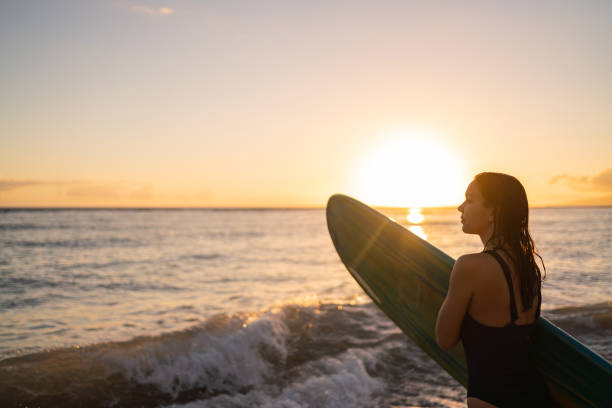
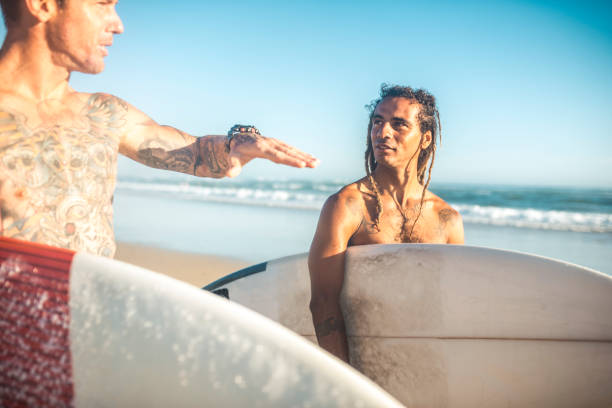
Think about it. The sport part is the act itself—the pop-up, the bottom turn, the cutback, the stoke of a clean barrel. That’s the highlight reel. But the culture is everything that happens in between sessions. It’s the pre-dawn alarm in the pitch black, fumbling with your wetsuit in a cold parking lot with your crew. It’s the silent communion of watching the horizon at first light, reading the sets, understanding the language of the ocean. It’s the shared nod with a stranger in the lineup who just got a good one, a silent respect that needs no words. That’s the real fabric of our world.

This culture is built on a deep history, from the ancient Polynesians who rode waves on heavy wooden planks as a sacred act, to the Dogtown and Z-Boys rebellion that brought it to the concrete jungle, to the modern high-performance revolution. We carry that with us. It’s in the terminology we use—calling a wave “firing” or a close-out “dumping,” knowing the difference between a thruster and a single fin, and understanding that “kook” isn’t an insult if you’re learning, but a way of life to avoid. The language binds us, a shorthand for the initiated.

And then there’s the chase. The true surfer’s heart is nomadic, forever looking at wind charts and swell models. The lifestyle is intrinsically tied to surf travel, to chasing that endless summer around the globe. It’s the pilgrimage to a remote Indonesian reef break, the road trip down the Baja coast with boards strapped to the roof, or simply scoring an uncrowded dawn patrol at your local on a good swell. It’s about the journey as much as the destination, the stories collected in lineups from Jeffreys Bay to Pipeline to a secret spot you’ll never name. The gear isn’t just equipment; it’s your trusted partner in that chase—the right board for the conditions, a reliable wetsuit that keeps you in the water longer, the fin set that gives you that extra drive.

But the surfing life isn’t all saltwater and rainbows. It teaches respect—for the ocean’s raw power, for the locals who guard their breaks, and for the environment that gives us these playgrounds. You learn patience waiting for waves, humility when the ocean puts you in your place, and a profound connection to the natural world. Your schedule revolves around tides and swells, your friendships are forged in the water, and your mindset shifts. Problems seem smaller after a session; the world makes more sense with a view from the lineup.

So yeah, you can call it a sport if you want. But for those who live it, surfing is the framework. It’s the history we respect, the technique we obsess over, the language we speak, the travel we crave, and the daily rhythm we choose. It’s a culture of stoke, resilience, and pure connection. It’s not something we do; it’s who we are. Now, if you’ll excuse me, the tide’s coming in.
Related Posts

Live Surf Cams

Surfline Live is a 24/7 glimpse into the world’s surf.

This stream moves through Surfline's global camera network, showing spots where it’s daylight and rated Fair or better.

What's The Deal With...?

Surfboard Evolution

What’s the big deal with a custom board anyway?

A custom board is your magic carpet, shaped specifically for you. It’s not some mass-produced pop-out; it’s a collaboration between you and a shaper. They consider your weight, skill, local waves, and even your style. The result? A board that feels like an extension of your body, offering more drive, better turns, and a deeper connection to the wave. It’s about unlocking performance you never knew you had and getting stoked every time you paddle out.

What’s the deal with all these weird-looking boards I’m seeing lately?

Dude, the fun shape revolution is all about getting back to the pure joy of surfing. These boards—like eggs, fishes, and mid-lengths—are less about high-performance ripping and more about smooth, flowing turns and catching anything that moves. They’re super forgiving, paddle like a dream, and make average waves feel like all-time. Think of them as your go-to board for a fun, no-pressure session where style trumps aggression. They’re the ultimate soul sleds.

Why are epoxy and carbon fiber becoming so popular?

It’s a weight and durability thing, for sure. Traditional polyurethane foam and fiberglass (PU/PE) boards have that classic flex and feel but can be fragile. Epoxy construction with expanded polystyrene (EPS) foam creates a lighter, stronger, and more buoyant board. They’re perfect for average conditions, as they paddle easier and can take a beating. Carbon fiber strips add next-level stiffness and pop for high-performance snaps. While purists still love the “glass” feel of a PU board, epoxy tech lets you surf longer with less fatigue.

The Surfing Life

What’s the real point of chasing waves every day?

It’s about the stoke, pure and simple. It’s not just a workout; it’s about connecting with the ocean’s rhythm, getting barreled, and sharing dawn patrol with your crew. This lifestyle is a endless pursuit of those perfect moments—whether it’s a glassy morning at your local break or scoring uncrowded perfection on a remote trip. It’s a mindset of flow, respect for the sea, and living for the glide. The real goal is to keep the spirit of The Endless Summer alive in your daily life, always searching for that next peak.

What makes dawn patrol so special, anyway?

Dawn patrol is pure magic. You’re scoring glassy, uncrowded waves with the sunrise as your backdrop. The morning offshore winds are usually perfect, holding the wave face smooth. It’s just you, your crew, and the ocean waking up. The stoke of an early session fuels your whole day, and you’re back on land before most people have had their coffee. It’s a quiet, personal connection with the sea that’s tough to beat. Paddling out in the dim light is a ritual that never gets old.

What’s the best way to plan a surf trip?

Chase the swell, not just the sun. Use forecast tools to target regions in their prime season. But be flexible—have a Plan B spot for when the wind switches. Pack a versatile board or two, and leave room for local knowledge. The best trips mix good waves with cultural immersion. Talk to shop guys, eat local, and score with a smile.