Every winter, the Pacific decides it’s done being polite. The buoys off Oahu’s North Shore light up like a pinball machine, and the trades whip the ocean into a frothy frenzy. That’s when the seven-mile miracle stretch from Haleiwa to Sunset Beach turns into something ancient, alive, demanding a reverence you can’t fake. You paddle out with your heart in your throat, because the ocean doesn’t care about your social media clout or custom boardshorts. It only cares about one thing: whether you’ve got the respect to handle its raw, untamed, absolute power.
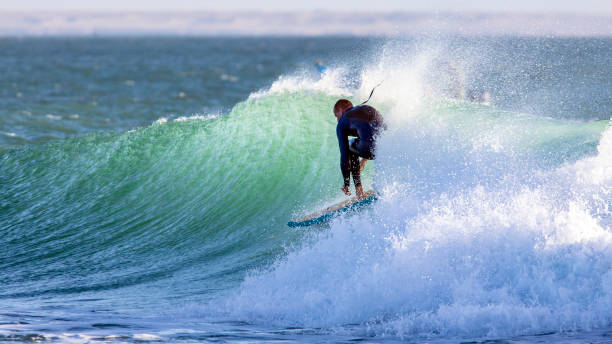
This is about the winter swell, the lifeblood of the coastline. It’s not just a weather event. It’s a pilgrimage. Every year from late October through February, the North Pacific sends groundswell marching toward these reefs with a purpose. Wave heights get measured in feet, but the real scale is in the vibe - the way the lineup hushes when a 20-foot set looms, the way your arms feel like noodles after a 45-minute paddle-out, the way the reef seems to breathe. This isn’t just surfing. This is gladiatorial combat, but the gladiator is the wave and you’re just the little ant invited to the show.
Take Waimea Bay, the granddaddy of big-wave riding. When Waimea breaks, she breaks big. The bay goes from glassy turquoise to an avalanche of whitewater that can swallow a house. Back in 1957, a crew of madmen including Greg Noll and Mickey Muñoz proved that a 20-foot wave could be ridden. That spirit lives on. These days, jet skis fly in, tow teams charge, and the sheer scale of the drop makes your knees buckle from the cliff. But there’s a deeper truth about Waimea - you don’t conquer it. You negotiate with it. Every wave you catch is a temporary truce with a force that has no mercy at all.
Then you’ve got Pipeline, the crown jewel. Banzai Pipeline. A name that sends chills down the spine of any surfer worth their wax. It’s a shallow, hollow reef break producing the most perfect, most deadly barrels on Earth. The wave pitches so fast and hollow it looks like a mythical creature opening its mouth. Inside the barrel, spray blasts your face, the roar is deafening, and time slows to a surreal crawl. Those seconds in the green room are dream and nightmare. Pipeline has claimed lives, broken boards, and humbled the greatest athletes. Yet still they come, because there’s no feeling like sliding out of a Pipe barrel and hearing the beach erupt. It’s the closest thing to enlightenment you can find with fiberglass under your feet.
But the North Shore isn’t just marquee names. It’s about the everyday power that hums beneath the surface. It’s about Sunset Beach, where deep respect in the lineup is earned with patience and wave selection. It’s about Rocky Point and Off the Wall, where locals’ reef knowledge becomes your survival guide. It’s about the unspoken rule: when you paddle out on the North Shore, you’re a guest, not a tourist. You watch, you learn, you wait your turn. The ocean here is a teacher, and the lessons are paid in humility.
For me, the real magic is in the contrast. You can have a glassy dawn with rare peelers, then by noon the wind switches and the mountains explode with offshore spray. Sunsets turn the sky into a molten lava lamp, and the silhouettes of surfers on the horizon look like ancient Hawaiian warriors in a ritual dance. The North Shore is a state of mind as much as a geography. It’s where the oldest surf culture in Hawaii collides with the most extreme modern performance. It’s where you strip away all the noise and find out what you’re really made of.
So when the next fall swell fills in, I’ll be there. Not because I’m brave, but because the power of the North Shore is one of the few things that makes me feel truly, gloriously small. You can chase the endless summer all you want. But the real magic happens when winter rolls in, and the North Shore roars its ancient, timeless challenge. You either answer it or you watch from the sand. Either way, you leave changed.