There’s a magic hour that every salty dog knows, the one where the sky starts bleeding pink and orange and the ocean looks like a sheet of smoked glass. That’s when the offshore wind kicks in, breathing out from the land like the Earth itself is sighing. This is the dawn patrol, the holy grail of surfing, when the conditions align just right and the waves turn from lumpy chaos into smooth, groomed lines that reel down the point with purpose. You feel it on your skin before you even reach the sand — that cool, dry air coming off the dunes, pushing against the incoming swell like a gentle hand holding up the face of each wave. That’s the offshore. And to a surfer, it’s the difference between a session that leaves you grinning for days and one that makes you wonder why you even bothered paddling out.
Offshore wind, meaning the wind blows from the land toward the sea, is the great sculptor of surf. It holds the wave up, delays the breaking, and smooths out the surface like a mother wiping a smudge off her child’s cheek. When that breeze hits the face of a rising swell, it pushes against the water, keeping it vertical for that split second longer. That’s what creates the hollow, pitching lip you see in all the barrel shots, the kind of wave that makes your heart race just looking at it. The face stays clean, free of bumps and chop, because the wind is flattening out the water molecules as they try to jostle. You paddle out and the ocean feels like a lake, but with power underneath. The takeoff is steep, the drop is thrilling, and if you’re lucky enough to find a sandbar or reef that focuses the energy, you’ll come flying out of a tube with salt stinging your eyes and pure adrenaline singing in your veins.
Now, the flip side, the onshore wind, is the buzzkill of the surf world. That’s when the breeze blows from the sea toward the land, and it ruins everything it touches. You’ll see it in the afternoon, when the sun heats the land and the ocean air rushes in to fill the void. That onshore flow pushes the top of the wave over before the base has a chance to stand up. What you get is a mushy, crumbling mess that closes out all at once, with a bumpy, textured surface that makes turning feel like you’re riding over a washboard. Paddling out is a fight against both the waves and the wind, and the takeoff is a gamble — half the time you’ll pitch over the falls with no real wall to rail against, just a whitewater pile that pushes you sideways. The waves might look tempting from the beach, all that volume and whitewater, but up close they’re fat, unresponsive blobs. Onshore wind is the reason surf spots go from firing in the morning to completely unrideable by three in the afternoon. It’s the classic daily cycle, and every surfer learns to read the signs: morning offshore, afternoon onshore, unless a weather system flips the script.
But here’s the thing about offshore wind — it’s not automatically perfect. Too much of it can make waves unrideable as well, blowing the tops off and creating a constant spray that stings your eyes and makes it impossible to see the lip. There’s a sweet spot, usually anywhere from 5 to 15 knots, where the wind grooms the face without destroying it. You’ll know it when you feel it — the wave stands up tall, sectiony and fast, and you can fit a full bottom turn and a snap before the lip even thinks about throwing. And when that offshore breeze combines with a groundswell that’s been rolling for a few days, you get those endless, peeling rights and lefts that make you forget about work, bills, and everything else. That’s the endless summer feeling, the chase for the perfect session that keeps you staring at surf forecasts and wind maps at midnight.
The deeper truth is that offshore wind represents more than just good surfing conditions. It’s a metaphor for the whole surfing lifestyle. It’s about getting up early, putting in the effort, and being rewarded with clarity and purpose. It’s about reading the environment, understanding how the land and sea interact, and being in tune with nature’s rhythms. When you paddle out into that glassy morning, the world is quiet except for the hiss of your board cutting through water and the distant rumble of a set approaching. You’re alone with your thoughts, and the ocean is offering you a gift that only those willing to wake up can receive. The onshore afternoon, in contrast, serves as a reminder that everything has a time and place. It teaches patience, humility, and the art of knowing when to call it a day. You learn to respect the ocean’s moods, and that respect carries over into how you treat other people, how you handle the inevitable wipeouts and closeouts in life.
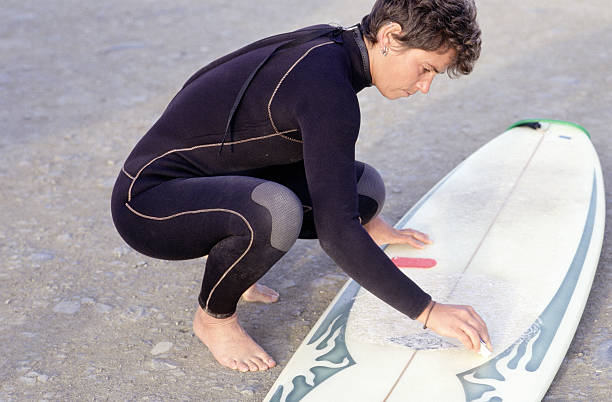
So next time you see that forecast showing a solid swell and an offshore wind arrow, cancel your plans. Grab your board, slap on some wax, and head to your favorite break before the sun’s fully up. Because those offshore mornings, with the wind at your back and the waves standing tall like glassy walls of liquid potential, are what we’re all chasing. They’re the reason we have that board strapped to the roof, the reason we drive an hour to a spot with no parking, the reason we talk about waves like they’re old friends. Offshore wind is the universe’s way of saying, “Here you go, surfer — enjoy the ride.“ And when you’re tucked inside a barrel, watching the light dance through the clear blue shell above you, you’ll know exactly what I mean.