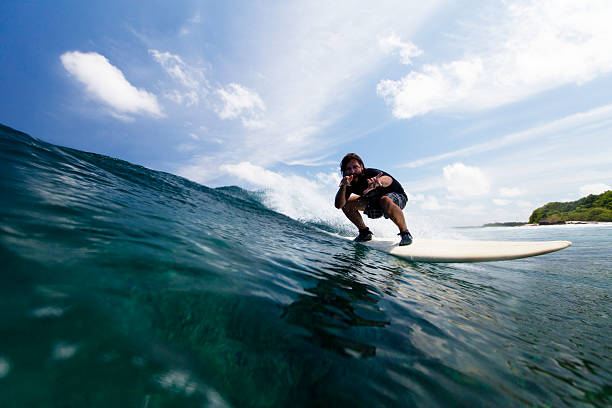
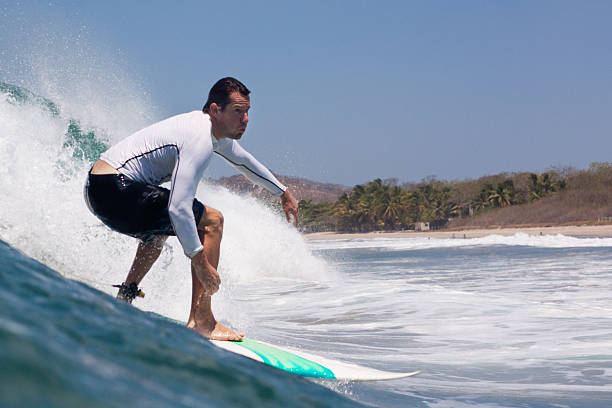
The salt’s been baking in the boardshorts a while now, but the itch is real. After a couple of weird seasons where the concept of a passport felt like a fever dream, the surf travel world is cracking back open like a perfect rip bowl. And there’s no place that shimmers with more magic on the horizon than the Mentawais. The boats are fired up, the diesel humming, and the lineups are starting to fill with that familiar mix of wide-eyed first-timers and salty old dogs chasing the same kind of infinite glide. This ain’t just a vacation update, brah. This is the resurrection of the pilgrimage.
Here’s the stoke: the regency of the Mentawai Islands has been leaning hard into a more sustainable wave economy. What that means for you and me is that the days of sketchy, fly-by-night charters are getting washed out. New permits, stricter fishing regs, and a push for local crew and ownership mean your boat fare is actually feeding the same families who’ve been watching the sets roll through for generations. You still get the rickety dock, the smiling kids waving from dugout canoes, and the smell of coconut oil and reef at dawn. But now there’s a sense that the reefs are getting a proper respect. Some of the old-school boats have been retrofitted with solar panels and better water makers. Newer vessels are dropping anchor with hydrofoil tenders, which means you can slip into a lineup like a ghost and leave the mechanical noise behind. It’s a different kind of luxury—not gold-plated faucets, but cleaner sleeping quarters, hand-laid teak, and a generator that doesn’t sound like a chainsaw at midnight.
The traveling waves themselves? They haven’t missed a beat. The Mentawais still serve up that feral, world-class combo of Indian Ocean groundswell and offshore tradewinds. Think of the usual suspects—beyond the famous breaks, there are still empty islands and refracted reef passes that only get a handful of surfs per season. The update here is that some of the more iconic spots have adopted a rotating lineup policy. A few local wave councils, with a gentle push from the surf tourism board, are now capping the number of boats per bay during peak swell windows. This isn’t a buzzkill. It’s the opposite. It means when you pull into that beloved left-hander, you’re not trading elbows with a flotilla. You get the glassy morning sessions, the long walls, and the occasional dry hair barrel before the lunchtime crew even wakes up.
As for the logistics, it’s smoother than a glassy takeoff zone. Direct flights into Padang are climbing back to pre-drought levels, and visa-on-arrival is as simple as ever. But the real update is the shift toward “slow travel” on the water. Rather than rushing between three different breaks in a single day, many charters are settling into a rhythm—anchoring for two or three nights in one channel, letting you truly learn the pulse of a reef. You wake up, check the horizon, paddle out, session till your arms turn to noodles, then come back for a lunch of grouper and papaya. The afternoons are for tides and tide tables, the evenings for swapping tales under a sky thick with stars. It’s the Endless Summer dream, but with a little more sunscreen and a lot less hurry.
There’s also a fresh wave of overland and land-based camps opening up on the main islands, which is perfect for those who don’t want to commit to a full boat charter. Think bamboo bungalows with woven palm roofs, fifty meters from a river mouth that spills into a perfect A-frame. The new generation of camp owners are mostly Indo locals who spent their childhoods spearfishing these waters. They know the swell charts better than any app. They’ll point you to a hidden bombie on a rising tide, or tell you to rest your back because the second reef on the outer island will be firing after lunch. That local knowledge is the real treasure. The vibe is humble, helpful, and deeply stoked.
So what’s the bottom line? The Mentawais are not just open again—they’re evolving. The same raw, unscripted energy that drew surfers here for decades is still thumping under the hull. But now there’s a layer of consciousness, a mutual respect between the traveler and the wave. You can feel it when the captain cuts the engine and you paddle out to an empty lineup at sunset. The ocean still hums with mystery. The reefs still throw shacks like angry dogs. And you, my friend, still get to be a part of it. Pack your wettie, your fin key, and your widest grin. The swell waits for no one, but it’s been holding its breath just for this return.