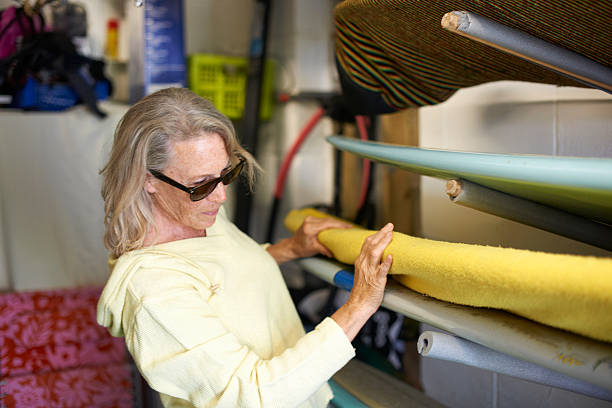
The story of surf brands isn’t just about logos on a wetsuit or a sticker on a board. It’s the story of our culture itself, moving from the fringe to the mainstream, from backyard sheds to Wall Street. It all started with the shapers, the true soul of the game. Guys like Hobie Alter and Dale Velzy weren’t thinking about “brands”; they were just watermen trying to make a better plank to ride. Their names, burned onto the stringers of their balsa, then foam, creations, became the first labels that meant something. You weren’t just buying a surfboard; you were buying a piece of their vision. That was the seed—craftsmanship and credibility earned in the water.
Then the 60s and 70s hit, and surfing exploded. The culture needed its own uniform, something more than just boardshorts. This is where the real iconic labels paddled out. Jeff Hakman and Bob McKnight saw the potential and brought Quiksilver from Australia to the States. Around the same time, a couple of Aussie mates started stitching up boardshorts that wouldn’t fall apart in the impact zone and called them Billabong. These brands got it. They were by surfers, for surfers. Their ads weren’t just about product; they sold a lifestyle—endless summer, tropical perfection, and a healthy dose of rebellion. They sponsored the heroes, the guys and gals charging Pipeline and winning titles, which gave them instant street (or beach) cred.
The 80s and 90s were the boom years, the “surf industry” proper. Brands like Rip Curl, founded by surfers chasing waves in cold Victorian waters, perfected the wetsuit and pushed surf exploration with their The Search films. The world got bigger, and so did the logos. Surf shops morphed from dusty corner spots into mall anchors. This was the era of the “Big Three” – Quiksilver, Billabong, Rip Curl – becoming global powerhouses. But as the money rolled in, the soul sometimes got diluted. The core surfers started grumbling about the “kooks” wearing the gear but never feeling the salt.
This friction birthed the next wave. The 90s and 2000s saw a backlash, a return to roots. Brands like Volcom screamed “Youth Against Establishment” with its Stone logo, capturing skate and surf’s gritty side. Hurley began in a Laguna Beach garage, feeling fresh and athlete-driven. Meanwhile, older labels like O’Neill, the godfather of the wetsuit, kept innovating on the tech side. The most interesting shift was the rise of the “core” brands—smaller, often shaper-connected companies like ...Lost, run by pro surfer Matt Biolos, or Vans, which, though rooted in skate, understood the culture intrinsically. They spoke directly to the guys in the lineup, not the kids in the mall.
Today, it’s a mixed bag. The landscape is totally different. The Big Three faced wipeouts, with Quiksilver and Billabong going through bankruptcies and reshuffles, learning hard lessons about over-expansion. Meanwhile, the giant that is Nike entered the arena with Hurley, and then even that changed hands. Yet, the heart still beats. Independent shapers and micro-brands are thriving online, selling direct to the surfer who wants something unique. Tech is king in wetsuits and eco-friendly boards. And heritage brands like Patagonia’s surf line, built on environmental activism, appeal to the surfer’s conscience.
So, what’s the takeaway? A surf brand’s legitimacy was, and always will be, written in the water. It can’t be faked. Whether it’s a giant corporation or a one-person operation out of a van, the ones that last are those that remember where they came from: a love for the swell, the glide, and the pure stoke of the ride. The logo is just a symbol; the real product is a feeling, and that’s something you can’t mass-produce.