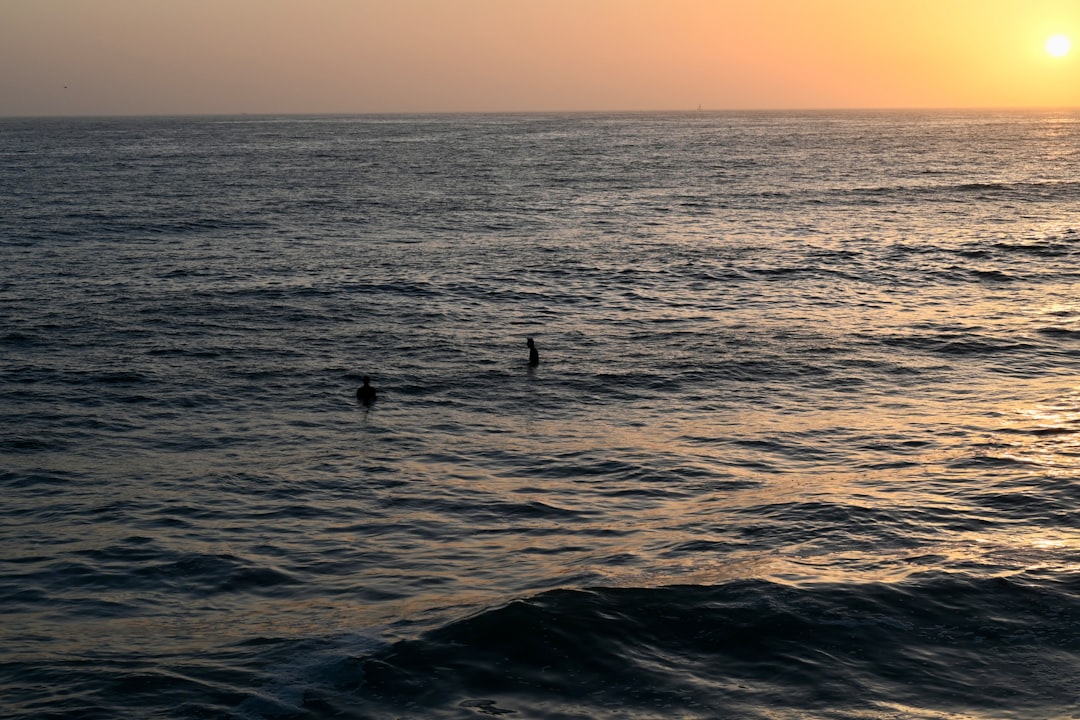
There’s a certain magic in paddling out at Popoyo at dawn, the Pacific rolling in clean and empty, the mangroves whispering behind you. But these days, the real stoke isn’t just about the waves—it’s about the footprints you leave on the sand. As the surf travel world shakes off the chaos of the last few years, a new wave of eco-conscious lodges is rolling through Nicaragua, turning the classic tropical surfari into something deeper than just scoring perfect peelers.
Gone are the days when a surf trip meant a leaky bungalow and a mountain of plastic bottles. The latest update from the land of lakes and volcanoes is all about sustainability with a stick in the water. From San Juan del Sur down to the untouched points of the Emerald Coast, lodge owners are swapping diesel generators for solar arrays, installing rainwater catchment systems, and planting native trees to keep the shorelines from washing away. It’s a full-circle vibe that feels just as good as a glassy morning set.
Take the new spot near Playa Colorados, for example. They’ve got a greywater system that feeds the organic papaya orchard, and the breakfast spread is grown right on the property. You’ll spot no single-use anything, just refillable coconut-shell cups and bamboo straws that’d make a reef fish proud. Even the boardshorts you’re wearing might be made from recycled fishing nets, if you’re packing right. The idea is simple: catch your waves, then respect the source. Local guides who grew up in the nearby fishing villages are now running the surf shuttles, making sure every offshore wind and sandbar shift is read like a well-loved fins-off trim.
For the goofy-footer, Nicaragua has always been a dreamlined playground. The south swell season from April to October pumps consistent waist-to-head-high rights and lefts along the coast, with Popoyo offering that famous fast, hollow right-hand reef break that will test your rail game. But the new eco push isn’t just about scoring sand-bottom tubes—it’s about timing your trip to dodge the crowds and support local reefs. Some lodges are even participating in coral restoration dives, so you can spend a lay day planting staghorn fragments and then ride the same wave over a healthier ecosystem. And it feels great.
Travel updates are looking sweet, too. With new direct flights into Managua from major US hubs, you can be waxing up at the beach by lunchtime. The overland route from the airport has gotten smoother, though the last couple of miles to those remote points still require a trusty 4x4 and a driver who knows the mud pits. But that’s half the adventure, right? The real shift is in the traveler’s mindset. More surfers are asking for two-week stays instead of four-day sprints, savoring the rhythm of dawn patrol, midday hammock naps, and sunset sessions under a waxing moon. They’re coming for the sun, staying for the story, and leaving only a set of clean tracks in the sand.
Picture this: you wake up to the sound of howler monkeys instead of an alarm clock, stumble down a sandpath for a cup of locally grown coffee, then paddle out with just three other souls at a right point that peels for a hundred meters. The water’s a warm 82 degrees, no wetsuit needed, just a little sunscreen that’s reef-safe. After a couple hours of trading waves, you head back to an outdoor shower that runs on solar-heated rain water. That’s the new normal in Nicaragua’s surf circuit. And the best part? You’re not leaving anything behind but a smile. Even the packaging for your surf wax is compostable now. It’s a trip that feeds your soul without eating the shore.
In the end, the endless summer isn’t just about the perfect wave—it’s about keeping that wave alive for the next generation of groms. Nicaragua’s eco-lodge movement proves you can chase the swell without wrecking the reef. So pack your groveler, leave the styrofoam at home, and paddle out with aloha in your heart. The ocean’s still plenty salty, and now, thanks to a bunch of super stoked locals and forward-thinking surf hosts, it’s staying a little bit cleaner too. Indeed, that’s a travel update worth catching.