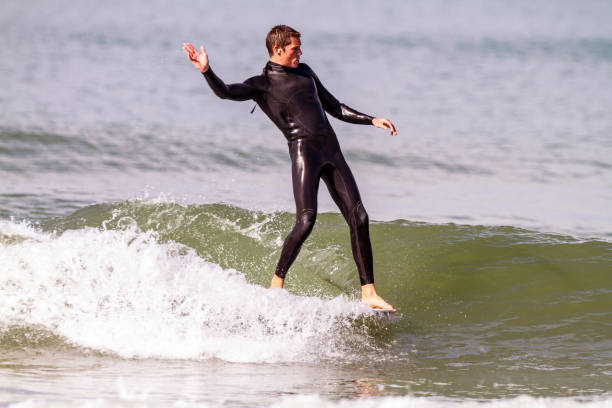
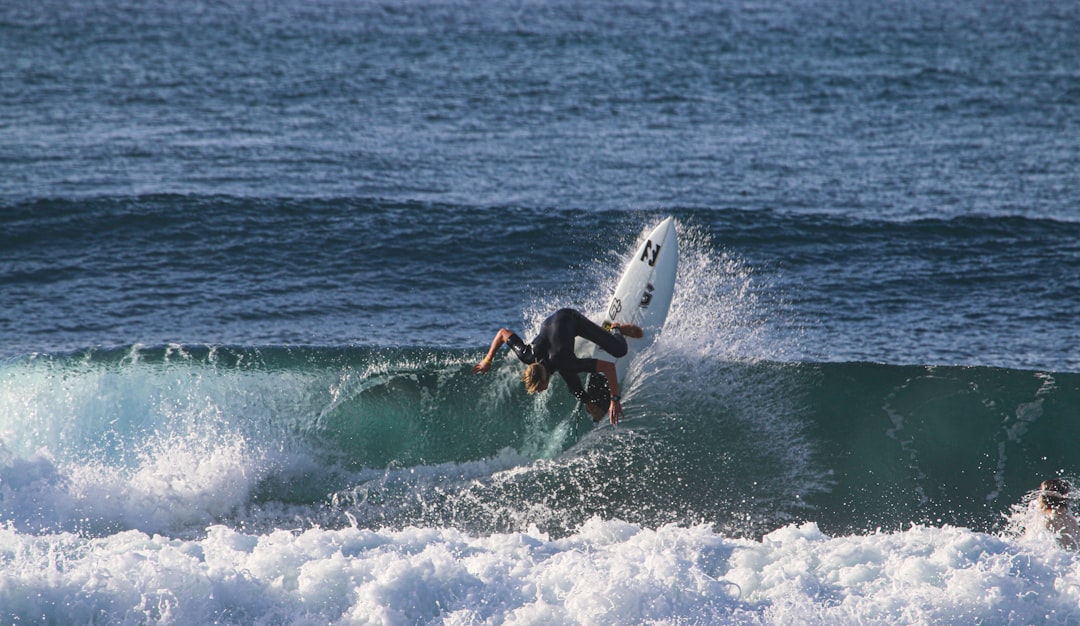
There is a certain magic that happens when a swell rolls across the deep Pacific, pushes up against a shallow Costa Rican reef, and throws a perfect, gaping barrel which just begs for a human sacrifice. The locals call it the green room, but for those of us who spend our days chasing that elusive shade of tropical emerald, it is more like a cathedral. From the rocky points of Santa Teresa to the river mouths of Pavones, Costa Rica has a knack for serving up some of the most ridiculously photogenic tubes on the planet, and the vibe that surrounds them is as warm as the water itself. The whole country lives by a simple code: pura vida, pure life, and that translates directly to how you surf these waves. No hustle, no aggro snake sessions, just stoke and the next set.
The Pacific side is where the backhand tube hunters get their fix. Places like Playa Hermosa near Jaco hold a deep respect in the minds of anyone who has ever threaded a pitching closeout. The sand bottom shifts with every storm, which means the takeoff zone is a moving target, and when that infamous beach break decides to stand up, it takes off shallow, sucky, and fast. Dropping in is a leap of faith. You feel the board free-fall down the face, the ocean breathing out as the wave pitches over your head, and suddenly you are compressed into a world of roar and salt. The light goes all amber and filtered as you pull a little higher, tuck your back arm tight, and watch the water fold shut like a curtain. If the tube gods are smiling, you get that moment of weightlessness, a split second of silence before you get shat out the end with your arms raised and a hoot you cannot contain. That is the tropical tube fix, and Costa Rica serves it up raw.
On the Caribbean side, things go mellow and goofy. Puerto Viejo and its surrounding reefs deliver long, rippable lefts that barrel section after section. The water is warmer, the palm trees lean right over the sand, and the soundtrack is reggae drifting from a nearby shack. Here, the tube is less about heavy consequences and more about smooth, dry, rideable pits. You can see it coming from a mile away. The wave peels down the reef, wraps around a shallow coral head, and spits a clean little shepherd’s hut that invites you in. Taking off, you trim down the line, feel the reef rumble beneath your fins, then drive up the face as the lip throws. Your board gets sucked up the wall, you crouch low, and for a moment you are encapsulated in a swirling, roaring barrel of turquoise and white. Then the light appears ahead, you straighten out, and you shoot into the warm air like a champagne cork. The locals on the beach nod in approval; they know you just tasted what they call el tubo.
But the true essence of surfing Costa Rica’s tropical tubes isn’t just in the wave itself. It is in the journey to find it. You paddle out through a river mouth at dawn, the jungle mist hanging low over the water, monkeys howling in the distance. The lineup is guarded by a few salty old expats who have been here since before the road was paved. They do not care about your instagram highlights. They care about whether you can hold your ground when the set of the day arrives. You share the peak with them, trading waves with a nod, and when a bomb looms on the horizon, you hoot each other in. That is respect, earned in the pit. After your session, you walk up the black sand to a soda bar, order a plate of casado and a cold imperial, and you talk story about the one that got under the ledge. The afternoon may bring a squall, but the ocean stays warm, the waves keep breaking, and the hammock is already swinging.
Surfing tubes in Costa Rica is also a lesson in letting go. The tropical swell is fickle, born from distant cyclones and southern hemi lows. You learn to read the charts, to chase the windows where the tide aligns with the bank, and to accept when the ocean just says “not today.“ That is the endless summer mentality. You do not stress. You paddle out anyway, take some small lefts, watch the sun set fire to the horizon, and trust that tomorrow the glassy walls will appear again. That is what keeps you coming back, season after season, for one more look inside the pit. Because when that heavy curtain pitches over your head, and the world narrows to a tube of pure tropical perfection, you realize that pura vida is not just a phrase. It is the feeling of being completely wrapped in the ocean’s most beautiful secret.