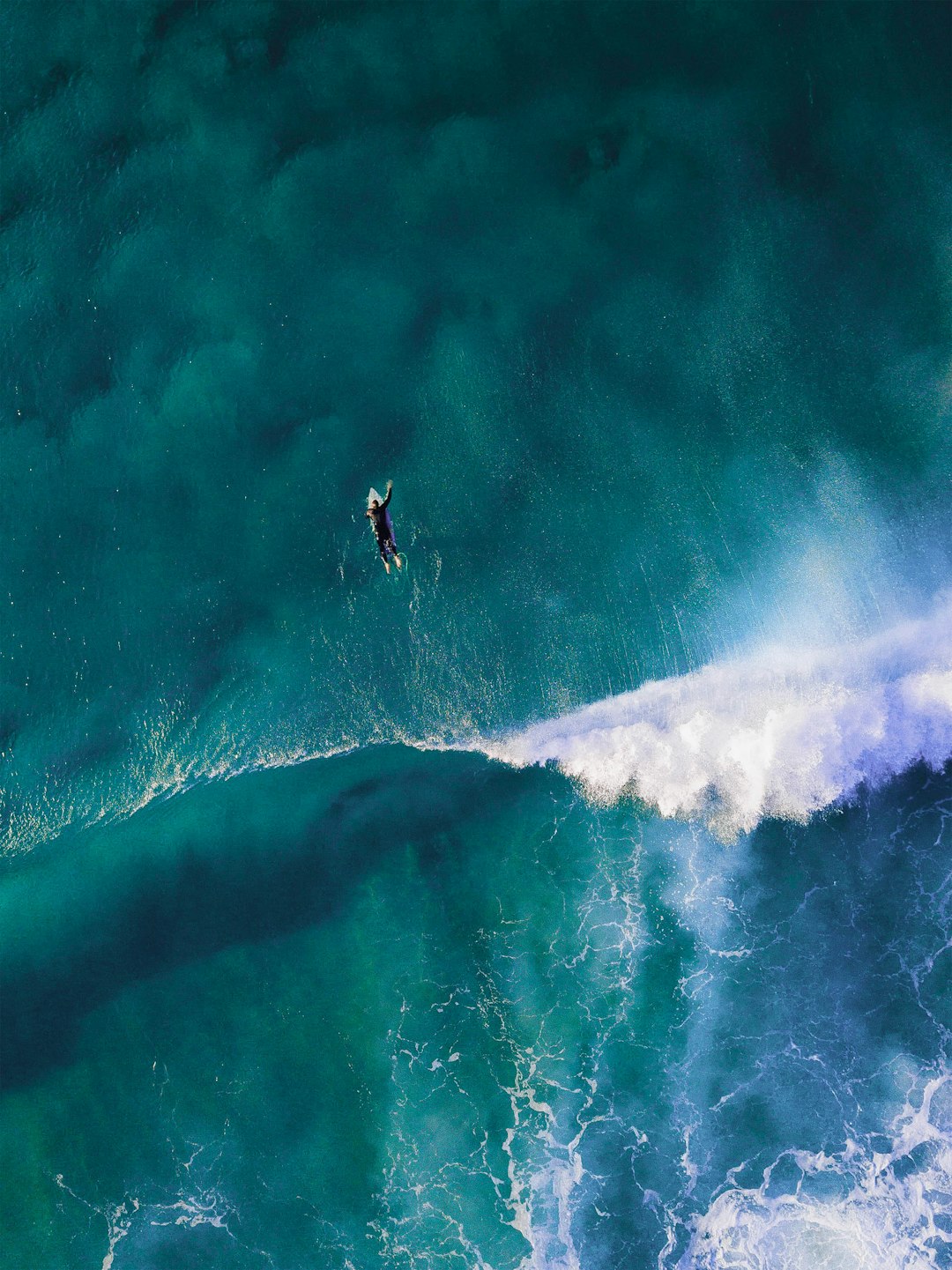
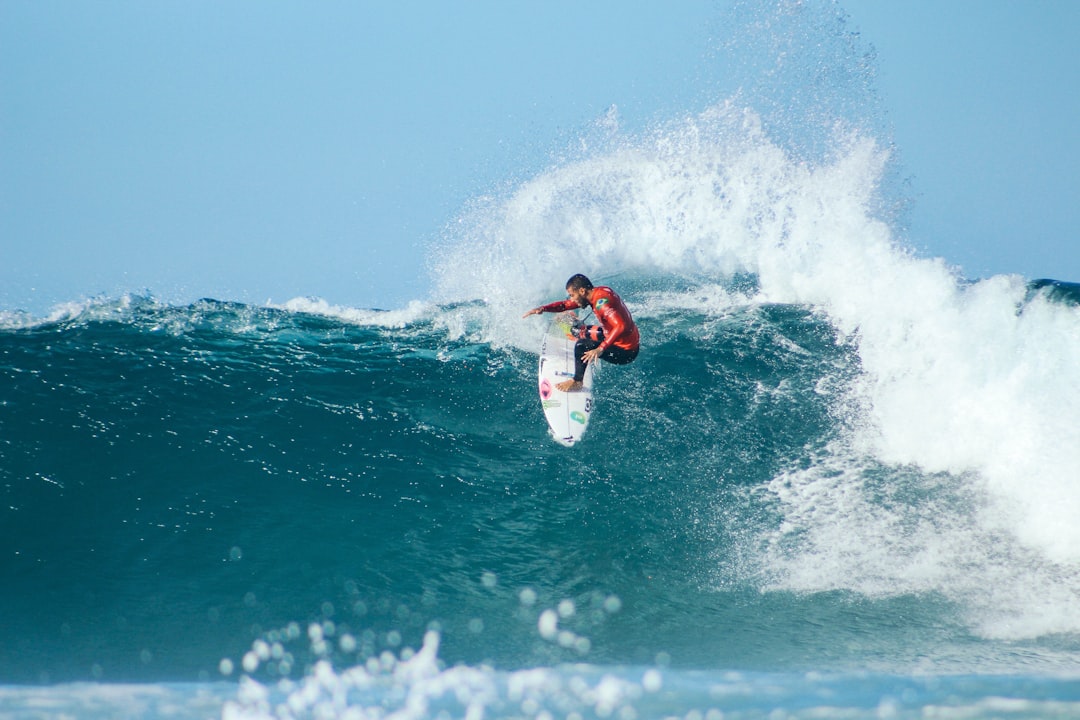
There’s a moment that every surfer chases, even if they don’t admit it. It hits you when the wave starts to throw, when the lip pitches over your head and the whole world turns glassy and green. You’re no longer riding a wave. You’re inside it. The barrel, the tube, the pit, the shack—whatever you call it, it’s the purest rush in surfing. And getting there, staying there, and coming out clean is a whole different ballgame from your average top turn.
First, you’ve got to read the wave before it even shows its hand. Not every lump of swell is going to spit. You need a wave with some juice, a steep face that’s gonna suck up off the reef or sandbar and throw a lip. Watch the horizon line. If the wave bends and walls up, if it jacks up suddenly, that’s your cue. You want a peak that peels with intent, not a mushburger that just rolls over. The best barrels on the planet—think Teahupoo, Pipeline, Desert Point—they all have a distinct bottom contour that makes the wave throw out with a roof. You’re looking for that perfect combo of swell size, tide, and wind. Offshore breeze is your best friend. It holds the lip up and gives you that extra second to tuck in.
When you’re paddling in, your positioning is everything. Too wide, and you’ll never make the section. Too deep, and you’re going to get nailed by the curtain on the drop. You want to take off right at the critical point, just before the wave jacks. As you pop to your feet, you’re not thinking about a carve or a snap. You’re thinking about speed. The rail is your lifeline. You’re driving off your back foot, but your front foot is directing, keeping the board in the power zone. The wave is sucking up the water in front of you—that’s the tell. When you see that dry wall, that’s when you know the barrel is forming.
Now comes the weirdest part: you’re not looking where you’re going. You’re looking inside, down the line, at the exit. Your eyes are locked on that patch of light at the end of the tunnel. Your peripheral vision catches the lip as it throws out over your head. The sound changes. It’s like a deep rumble, a whoosh of air, and then the vibrations of your fins humming through the water. If the wave is thick enough, you’ll hear that hollow pop—the spit. That’s when you know you’re deep.
To survive the barrel, you’ve got to go low. I mean, get your body down to the deck. Squat, bend your knees, and reach up with your inside hand to touch the face of the wave. It sounds counterintuitive, but you’re actually stalling the board to keep it in the tube. If you’re too fast, you’ll shoot out the back or get blown off the face. If you’re too slow, the lip will crash on your head like a guillotine. The sweet spot is a delicate balance of speed control. You’re dragging your inside arm as a rudder, feeling the water pressure. Your outside hand is placed on the rail, ready to adjust.
The hardest part is staying calm when the wave is sucking you up. When you see the foam ball coming at you—that’s the closeout. You have no choice but to bail or take the washing machine. But if you’re in the green room, with that sparkling translucent roof above you, for a few seconds time stands still. You’re in a cocoon of water. The spray is flying off the lip, the light filters through as if you’re inside a cathedral. It’s a spiritual experience, no joke.
Then comes the exit. You see the opening, and you give yourself a little bit of acceleration. Pump the board, drop your shoulder, and ride out through that curtain of water, usually with a blast of spray. If you’re lucky, the wave spits right as you come out—that’s the money shot. That’s the barrel.
But not every tube ride ends clean. You’ll get pounded, you’ll get rag-dolled, you’ll get held under, and you’ll come up laughing because that’s the price of admission. The barrel doesn’t care about your stats or your board. It just asks for commitment. And for those of us who are hooked, there’s no better place in the world than inside the green room.