Back in the day, before the internet flooded every nook and cranny of the planet with instant footage of the latest slab discovery, we had a sacred ritual. Come the first of the month, the mailman would roll up, and you’d hear the thud of a fresh magazine hitting the porch. That glossy rectangle wrapped in plastic was more than just paper and ink—it was a portal to the world’s best waves, a grimy look at the underground, and a community bulletin board all rolled into one. Surf magazines weren’t just keeping you informed; they were keeping the soul of surfing alive, one page at a time.
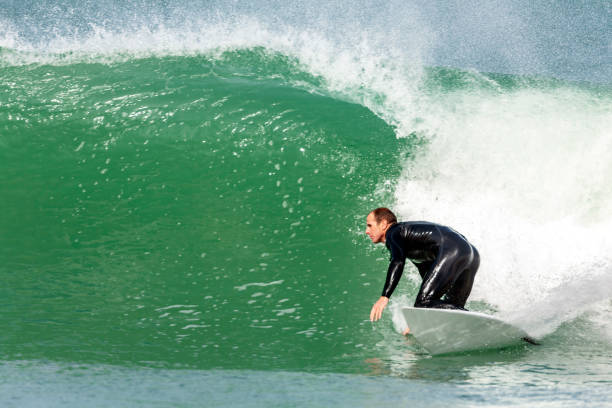
Think about it. Before YouTube tutorials and Instagram reels taught you how to pop up, the only way to study technique was to pore over sequence shots in Surfer or Surfing magazine. You’d flip through frame by frame, trying to decipher how Gerry Lopez kept that deep, soul-arch stance through the barrel, or how Tom Curren made a cutback look like a conversation with the wave itself. Those grainy photo sequences were our only coach, our only connection to the pros beyond the occasional contest broadcast. And when a new issue dropped, you grabbed it like a long-lost wave. It was fuel.
But beyond the technical pointers, these magazines forged culture. They were the town square where weird fringe ideas met mainstream stoke. Remember the “Mysto” sections? Those grainy, one-column photos of some smiling shredder on a remote reef you’d never heard of, with a caption like “Somewhere in Indonesia, September.” That was your invitation to dream. Magazines like The Surfer’s Journal took it even deeper, printing long-form narrative pieces that read like poetry. They didn’t just tell you about a wave; they told you about the vibe of the village, the texture of the wind, the old man who carved the boards. That kind of storytelling built a mythology around surfing that no algorithm can replicate.
Then there’s the raw, unpolished voice. Surf magazines back in the golden era of print weren’t afraid to be irreverent, salty, and sometimes downright controversial. They’d run columns from washed-up pros talking about the moneymaking machine of contests, or blistering editorials about localism and crowding. They had a personality—a grumpy, sunburned, laughing-at-itself personality. That voice connected you to the stoke in a way that feels rare today, when everything is optimized for likes and shares. You’d read a rant about the latest grommet wearing a slotted leash and laugh because you knew the writer had been in the lineup that morning.
Of course, the landscape has shifted. Print is a shell of its former self. Most of the legendary titles—Surfer, Surfing, TransWorld SURF—have either folded or gone fully digital. The glossy days felt like they were fading into a sunset of endless pop-ups and sponsored content. But here’s the thing: the spirit of those magazines hasn’t died. It’s just shape-shifted. Today, keeping informed means scrolling through curated feeds, watching live cams, and reading blog posts from barrel riders in the Maldives. The information is faster, cheaper, and arguably more democratic. But something’s missing—the tactile ritual, the weight of a magazine in your hands, the way you’d dog-ear a particularly gnarly photo, or trade issues with a buddy in the parking lot. That was community in its purest form.
Some modern digital magazines and newsletters have tried to recapture that soul. They’ll run a deep dive on the evolution of the soft-top, or a heartfelt eulogy for a local shaper, and you feel that old tingle. It’s proof that the need for informed, authentic storytelling hasn’t vanished. Surfers still crave the narrative behind the wave. They still want to know why a certain reef breaks that way, who shaped that board, and what the lineup was like before the secret got out.
In the end, surf magazines—whether printed on dead trees or glowing on your phone—are more than just news outlets. They are the collective memory of a tribe that lives for the next swell. They keep you informed about where the wind is blowing, sure, but they also remind you why you paddle out in the first place. So next time you scroll past a story about a new board model or a tropical swell, remember the long lineage of ink-stained dreamers who made it possible for you to know that wave exists. Keep the stoke alive, pass it on, and never stop reading.