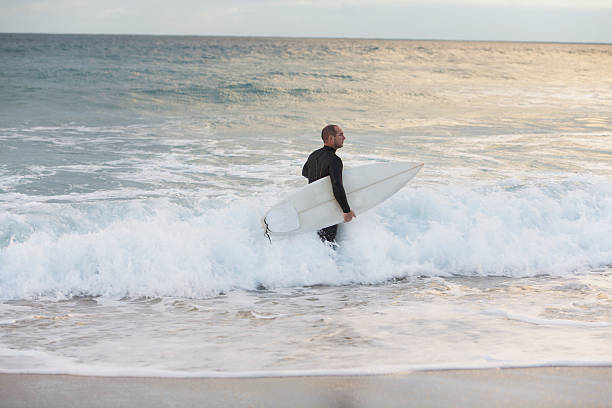
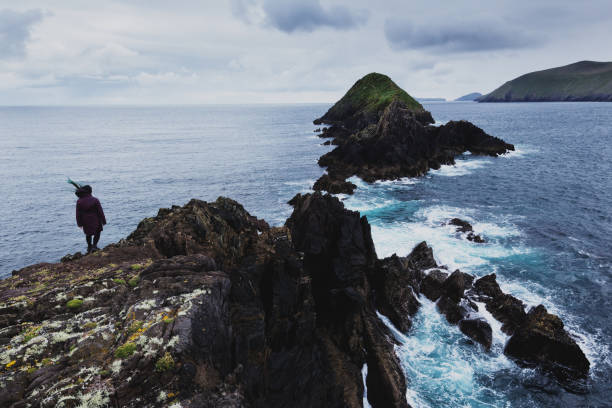
There’s a magic that exists in the hours before the sun clears the horizon. The world is still, the air has a crisp salt bite, and the ocean is a mirror of soft colors—pinks, peaches, and deep blues. For those who answer the call of the dawn patrol, this isn’t just a time of day; it’s a way of being. It’s the heart of the surfing lifestyle, a choice to start every day not with an alarm screaming, but with the whisper of the tide pulling you toward the line-up.
The alarm goes off at five sharp. That first moment is a battle between the warm blanket and the itch in your bones knowing waves are waiting. You stumble to the kitchen, fire up coffee, and just pull on your wetsuit. There’s no thought about whether you’ll go—that’s already decided. The decision was made years ago when you realized a day without saltwater is half-lived. Dawn patrol is a commitment, a sacred pact with the ocean. It’s not about glory or the perfect barrel (though they happen). It’s about showing up, again and again, to ride the pulse of the planet.
When you paddle out early in the half-light, you’re not alone. You join a tribe of stokers—regulars sharing unspoken understanding. Nods and low mumbles replace greetings. Everyone watches the horizon, reading swells, jockeying for position with respect. The water feels different at dawn. Glassier, more forgiving. The wind hasn’t woken yet, so waves are clean, peeling with precision. Each ride is a meditation, a brief escape from all the chatter of everyday life. You forget deadlines, bills, and noise onshore. For a few hours, you’re out there just a body moving with the ocean, pure and simple.
So this life teaches patience. You learn to wait for the right set, to let the closeouts pass, to read the rip and the current. That patience bleeds into the rest of your day. When you paddle back in, coffee still warm in your thermos, you’ve already accomplished something real. The world hasn’t fully woken up, and you’ve already faced the elements, earned your stoke, and touched the raw power of nature. Everything else becomes easier. Traffic jams? Just another lull in the line-up. Work deadlines? Another wave that you’ll catch with the right timing.
The dawn patrol also grounds you in the rhythms of the natural world. You become hyperaware of the phases of the moon, the shifting sandbars, the changing swell directions. You learn to read the sky for weather patterns, to feel the pressure changes in your joints. This connection to the earth is the core of the surfing lifestyle. You’re not just a person who happens to surf; you’re a surfer who happens to live. Your schedule is dictated by tides, not clock time. Your calendar is marked by swells, not meetings. It’s a reordering of priorities that brings clarity and contentment.
Of course, the dawn patrol isn’t always really easy. There are mornings when the water is freezing, when the wind is onshore and the waves are mush. There are flat spells that test your sanity, times when you paddle out just to sit and stare at an empty ocean. But even those mornings count. They remind you that commitment isn’t about reward; it’s about showing up. The surfing life is a choice to embrace the full experience—the highs and the lulls, the stoke and the struggle. And the dawn patrol is the purest expression of that choice.
As the sun finally peaks over the lip of the sea, you catch one last wave in. The water sparkles like it’s been sprinkled with stardust. You feel the tired burn in your shoulders, the salt crusting on your skin, and you smile. Because you know that this is what it means to be truly alive. The dawn patrol isn’t just a session; it’s a philosophy. It’s a way to live in tune with the ocean, to prioritize what matters, and to start every single day with a dose of wild, untamed freedom. And for those of us who chase that feeling, there’s no other way to live.