Surf News & Updates

•

Live Surf Cams

Surfline Live is a 24/7 glimpse into the world’s surf.

This stream moves through Surfline’s global camera network, showing spots where it’s daylight and rated Fair or better.

What’s The Deal With…?

Surf News & Updates

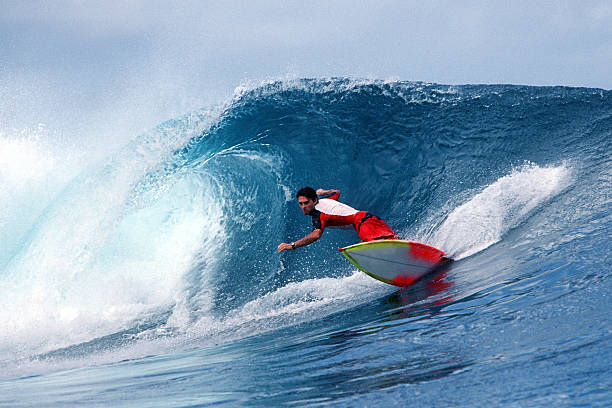
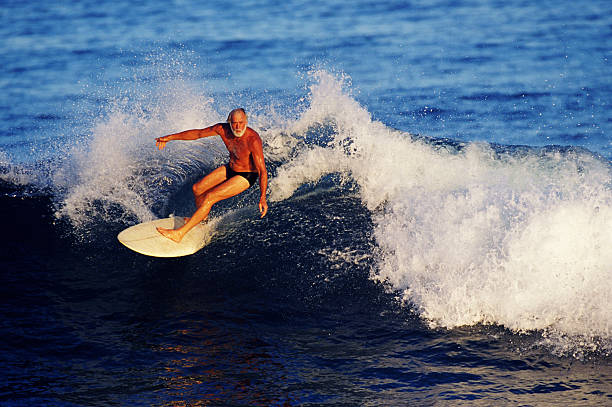
The cutback is all about flow and reconnecting with the power source of the wave. Start by looking over your shoulder back towards the whitewater or curl. Your head and shoulders lead the turn—where you look, your board will follow. Compress your legs on the top turn, then extend as you drive back down the face. Practice on smaller, crumbly waves first to get the timing down without the pressure of a critical section.

Respect is key, bro. Start by gradually surfing in slightly bigger conditions than you’re used to, and always go with a trusted crew. Make sure your equipment is right—a bit more volume helps with paddle power. Focus on your breathing to stay calm in the impact zone. Knowledge is power, so understand wave patterns and currents. And honestly, sometimes it’s about just getting pounded a few times to realize you can handle it. Your confidence will grow with every duck dive.

Chase the obscure, not the famous spots. That means dawn patrol before the crowd rolls in, or surfing in less-than-ideal conditions that others might skip. Explore different tides at your local break. For travel, look beyond the top-tier destinations—sometimes the wave two beaches over is just as fun and empty. A willingness to walk a bit further or surf when it’s a bit smaller or bigger than the “perfect” forecast pays off in spades with empty lineups.

Surf News & Updates

For your first surfari, you want user-friendly waves and a chill scene. Bali’s Kuta Beach offers gentle rollers and tons of surf camps to get you started. In Costa Rica, Tamarindo serves up consistent beach breaks with warm water and a super laid-back pura vida attitude. If you’re in the States, Waikiki is legendary for its long, forgiving waves perfect for learning on a longboard. These spots have forgiving whitewater, plenty of board rentals, and a community that stokes out beginners—just what you need to catch that stoke without getting in over your head.

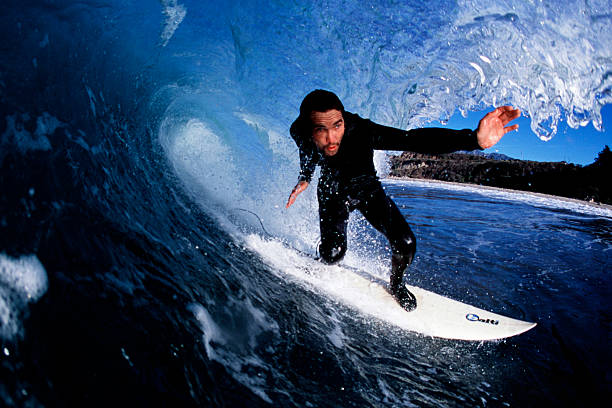
It starts before you even paddle out. Study the lineup from the beach, watch where sets are breaking and where the crowd is bunched. Position yourself smartly, not just where everyone else is. Work on your pop-up speed and paddle fitness; stronger paddling means you get to more waves. Don’t be afraid to sit a little wide or on the peak’s shoulder. Most importantly, commit fully when you go—hesitation is the number-one wave killer.

Talk to a good shaper or shop guru, for real. Be honest about your ability and the waves you usually surf. As you progress, you often need less volume, not more. Focus on a board that suits your local breaks—don’t get a good-wave board if you surf mushburgers most days. Refine your quiver slowly; your next board should address a specific limitation in your current one, like needing more hold on the face or better performance in weak waves.